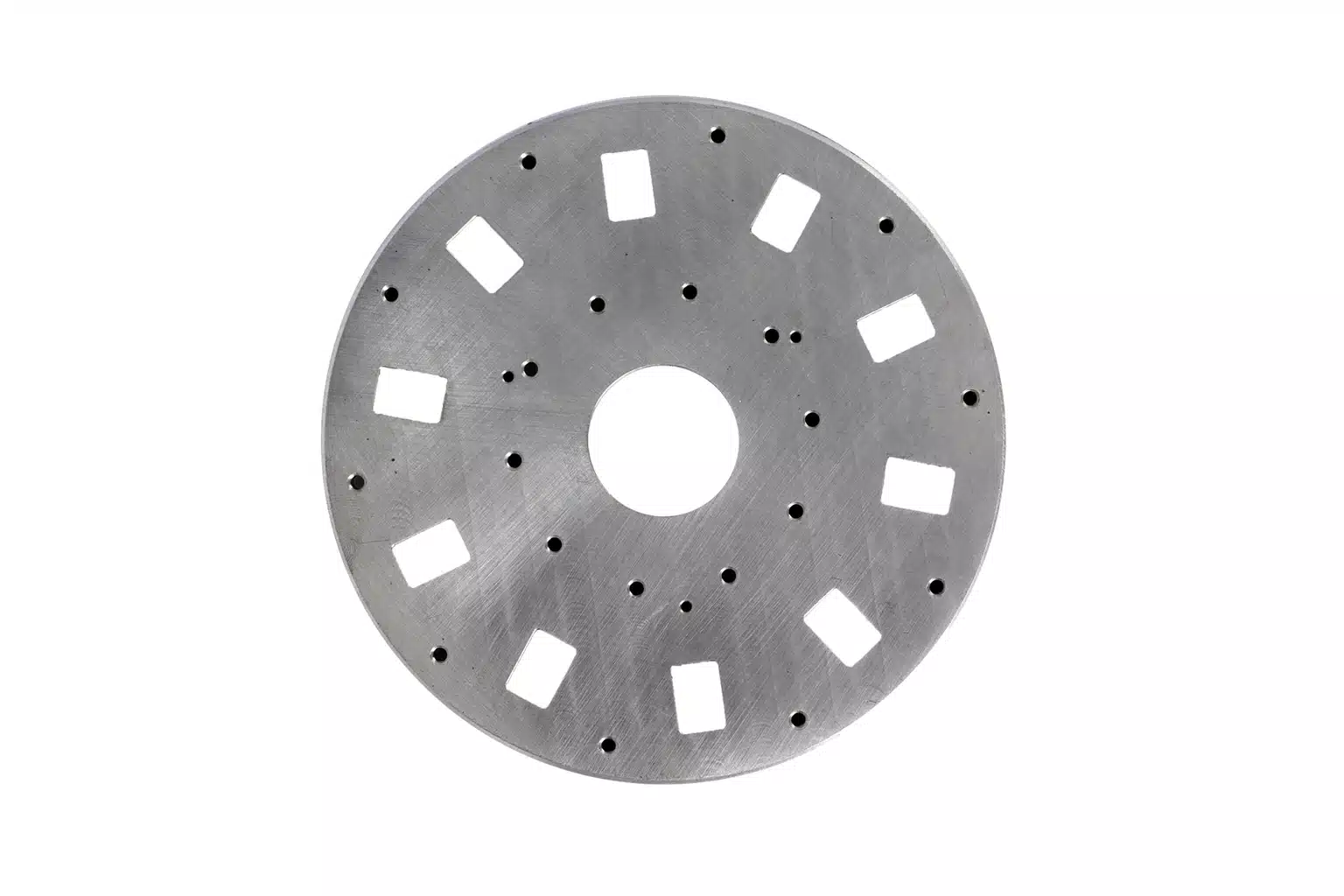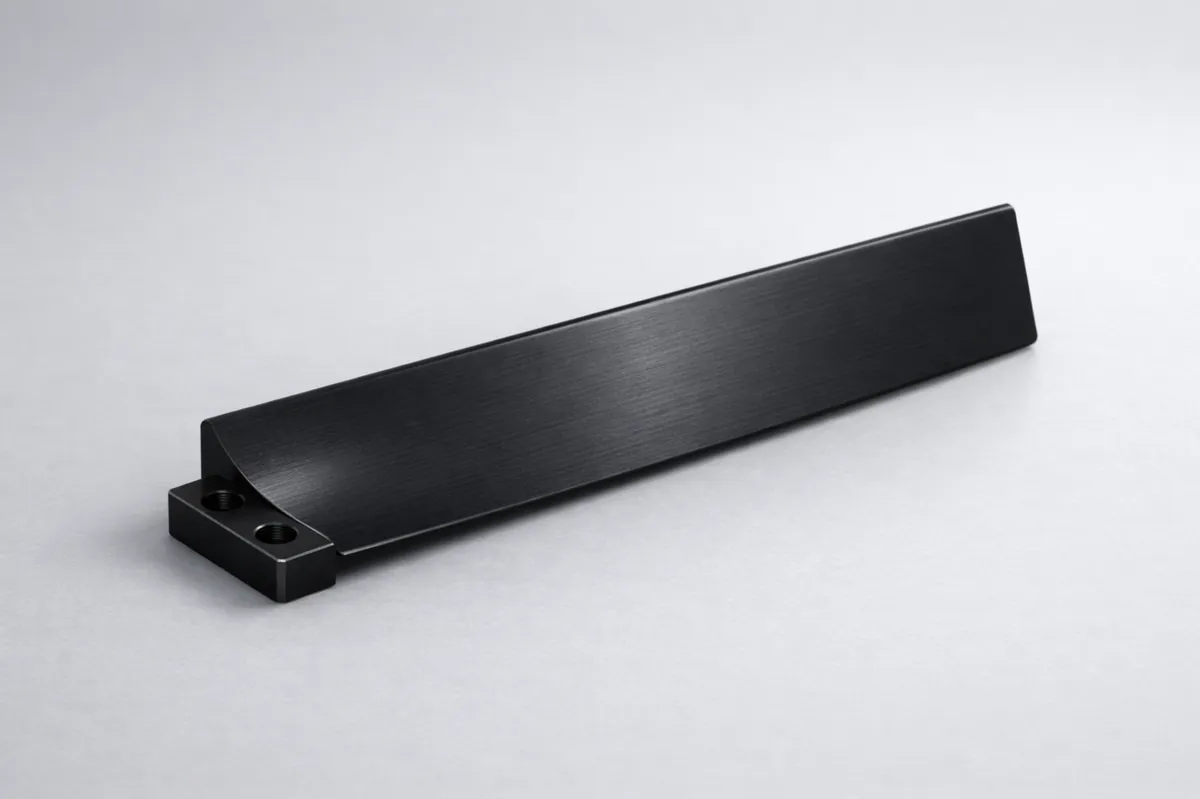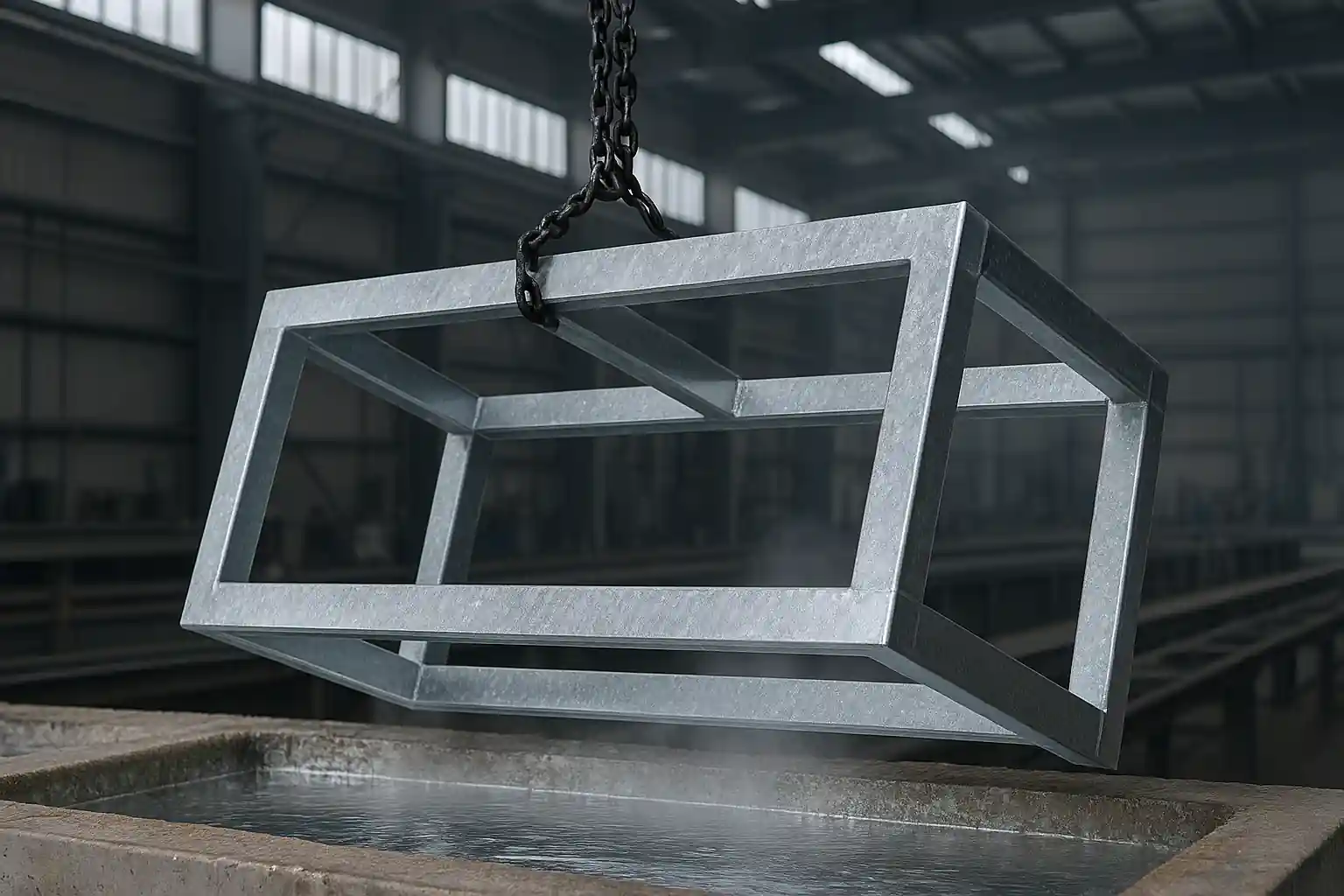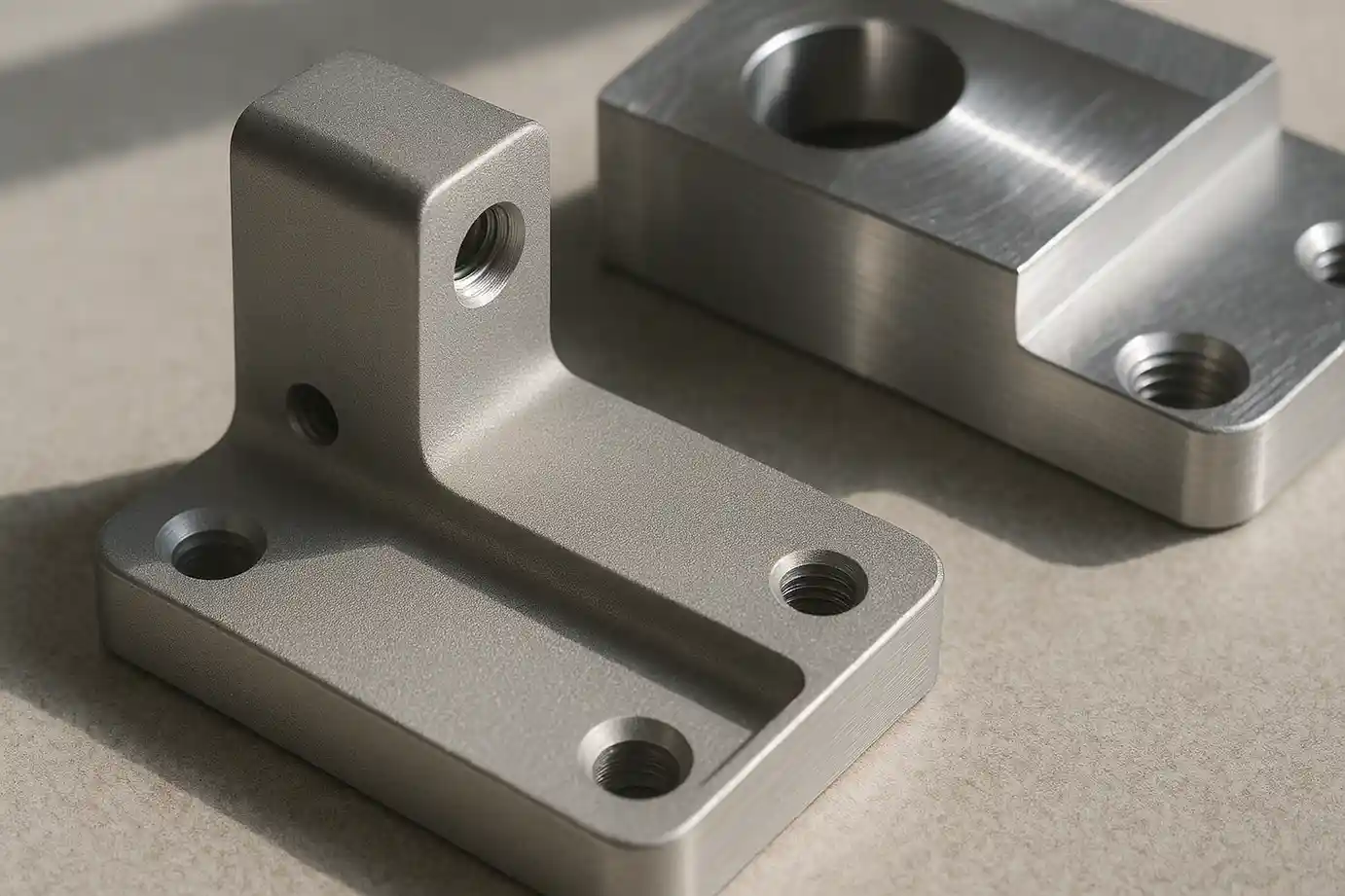

What Is Surface Finishing
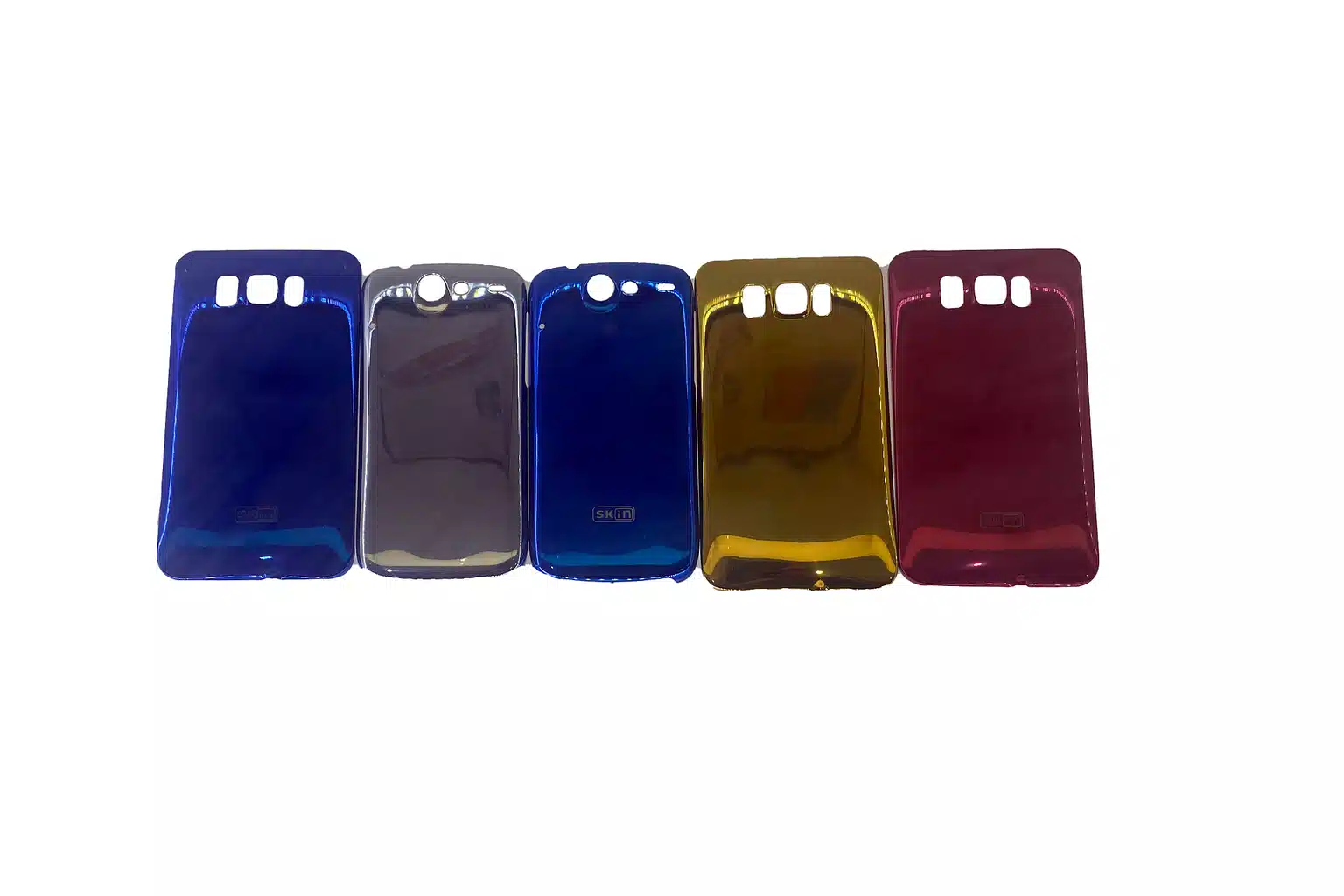
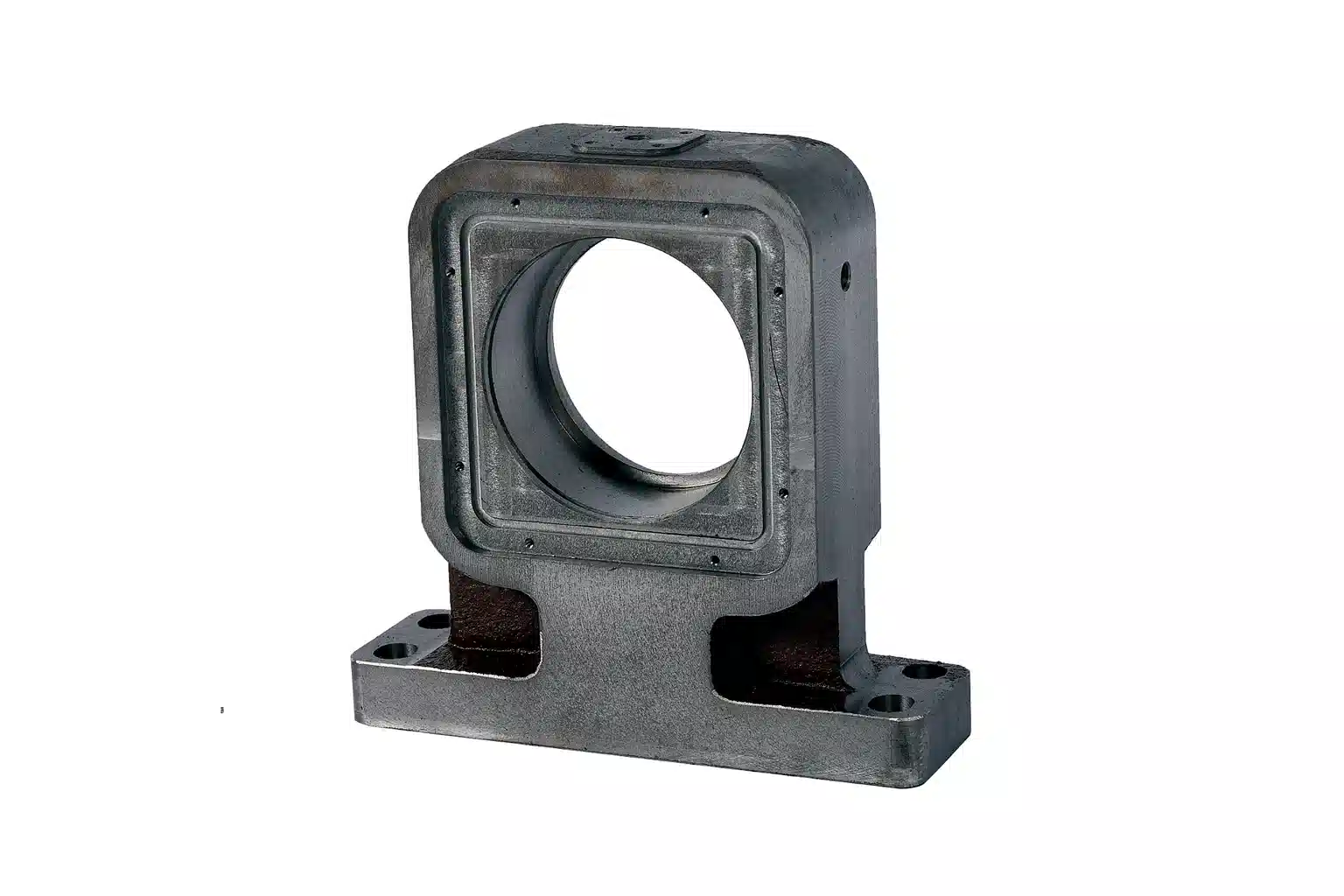
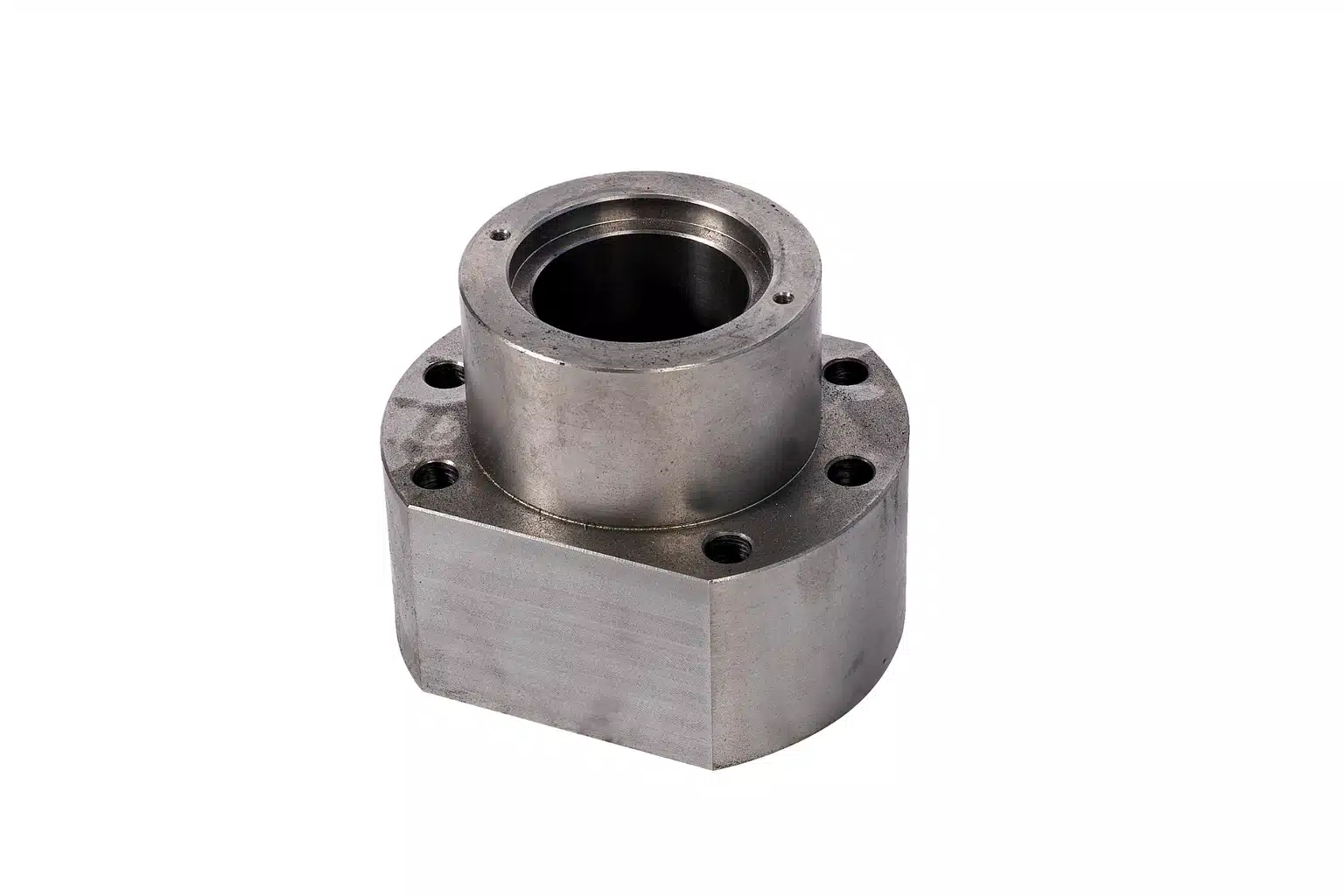
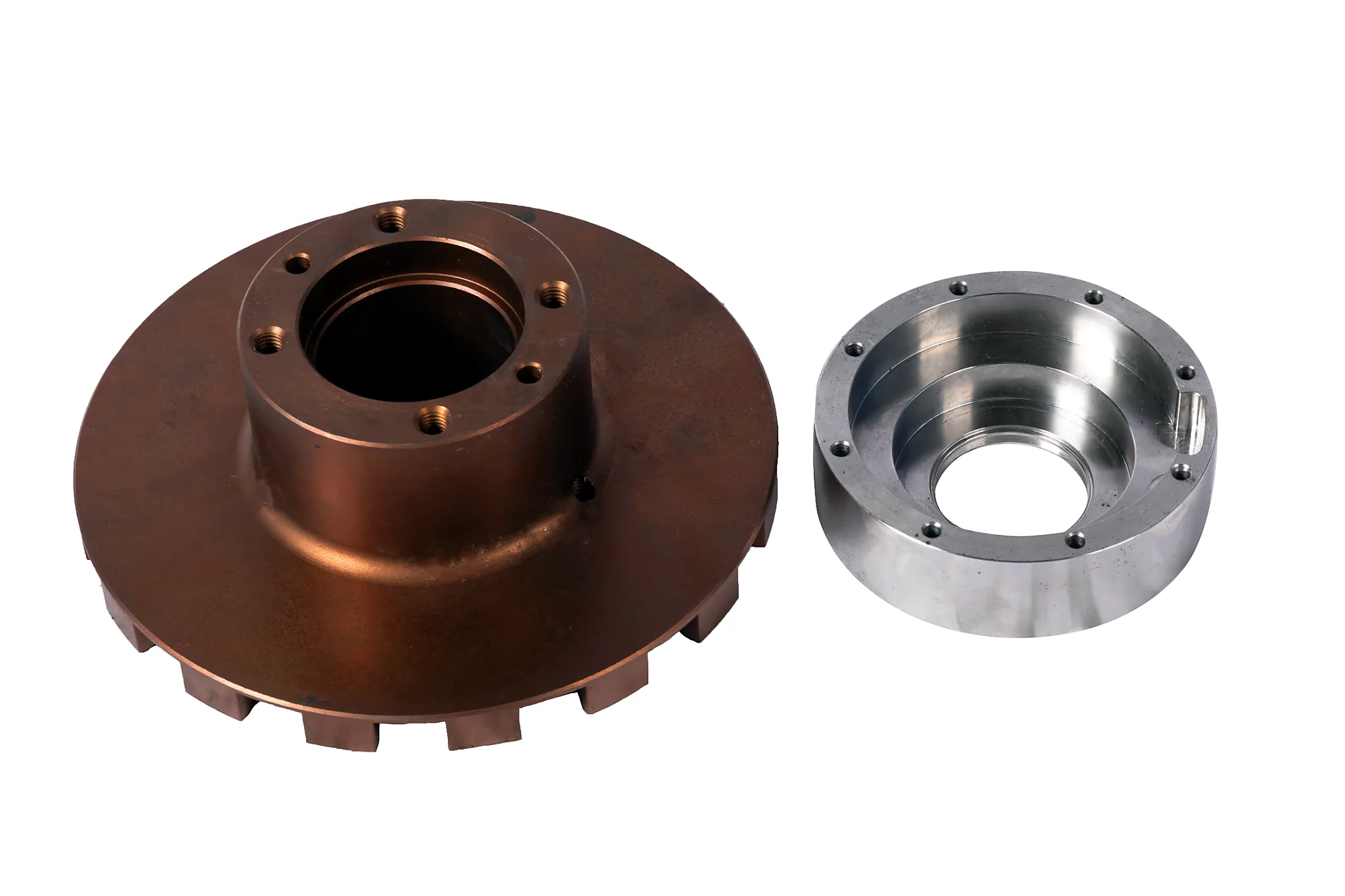
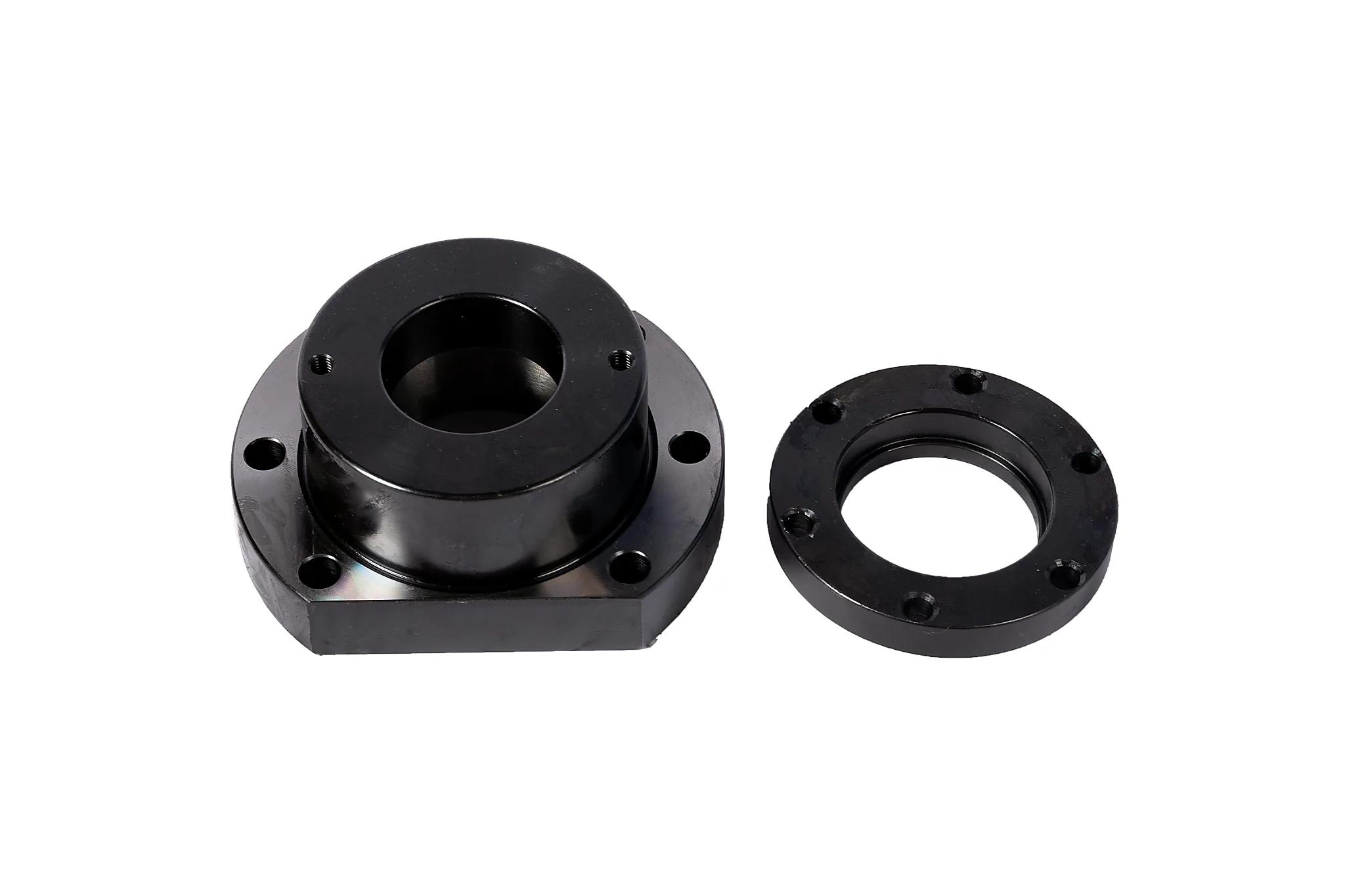
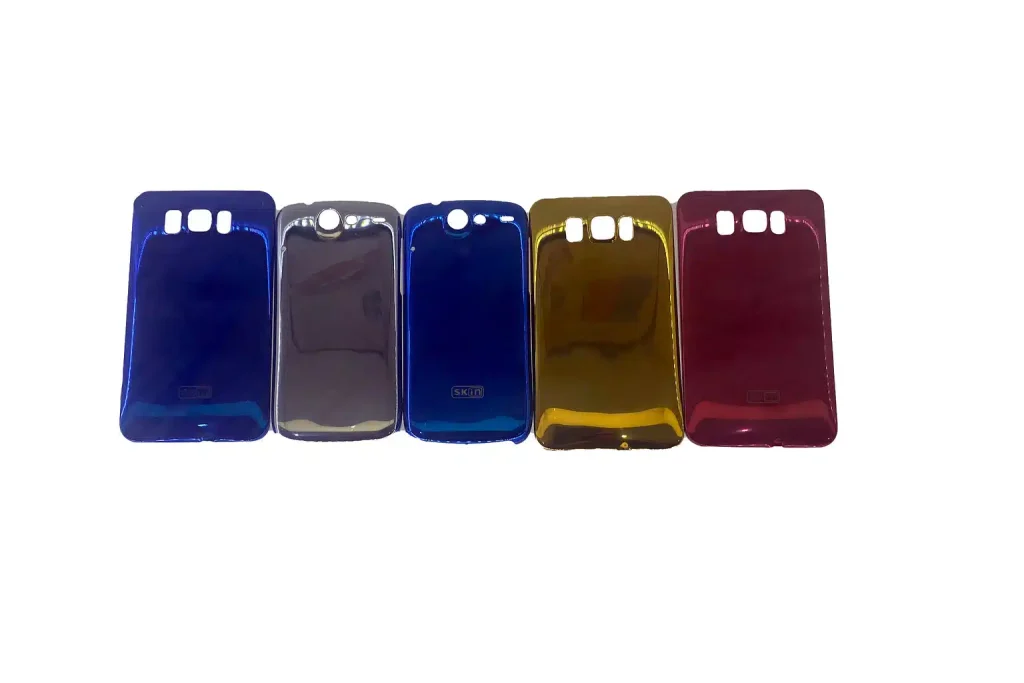
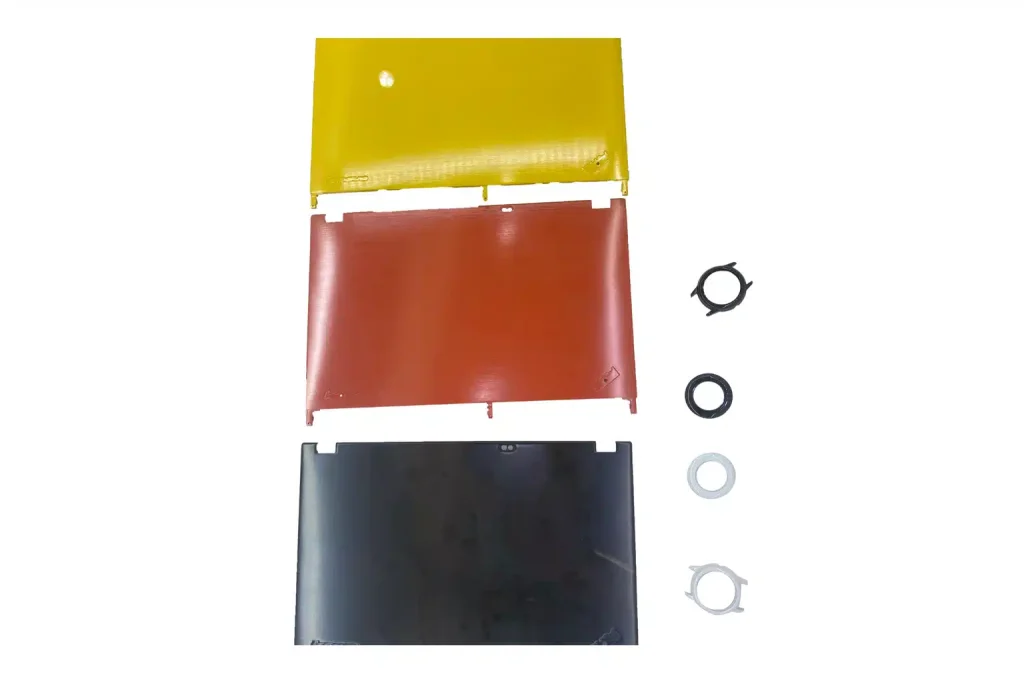
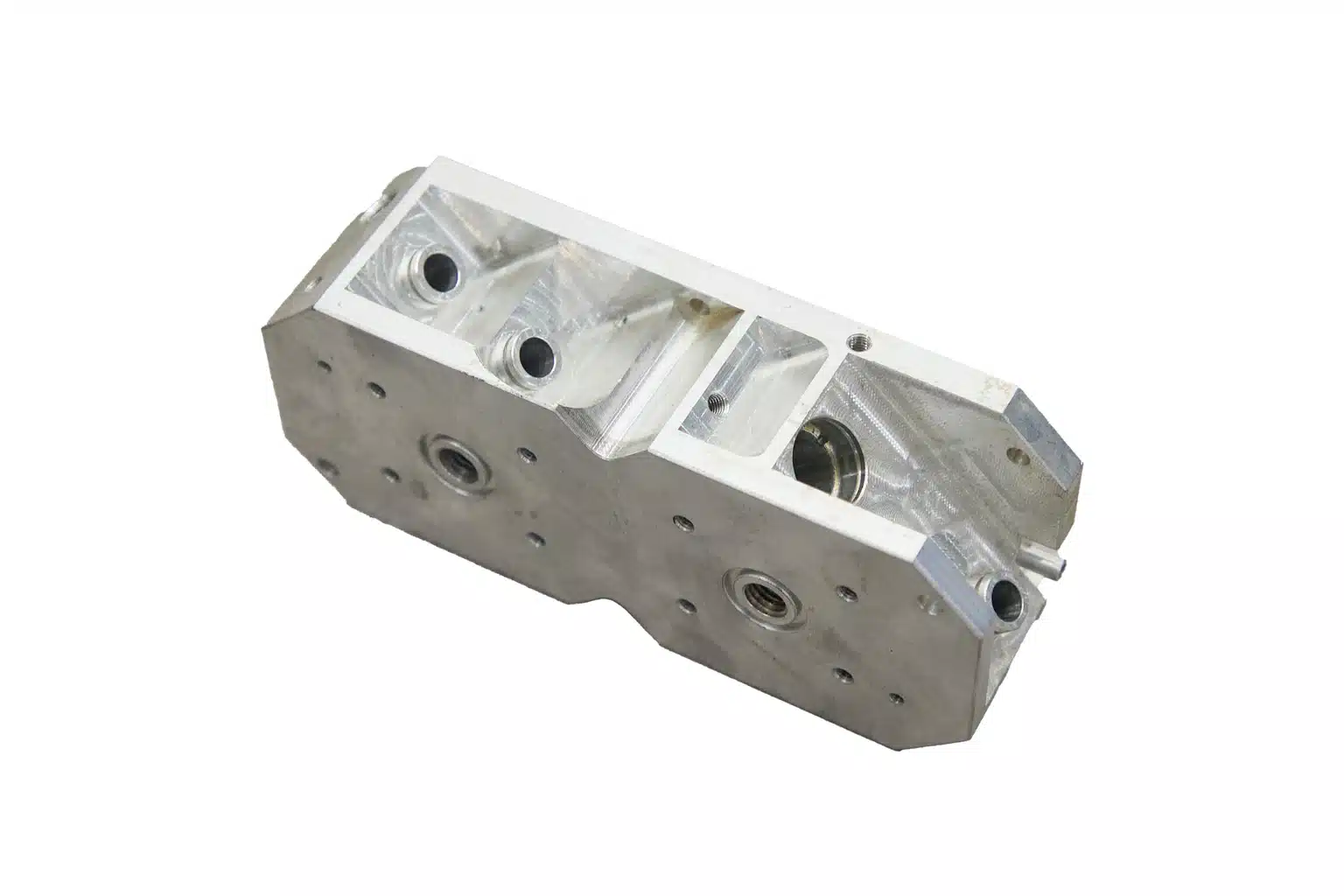
Surface finishing refers to the various post-processing treatments applied to custom parts after machining is completed. These treatments are used to modify the outer surface of a part in order to meet different appearance, texture, protection, or functional requirements based on material type and end-use conditions.
Advantages of Surface Finishing
Surface finishing provides more than a cosmetic upgrade. It can help improve part durability, surface consistency, corrosion resistance, and overall product suitability for different working environments and application needs.
Improved appearance
Better corrosion resistance
Enhanced wear resistance
More consistent surface texture
Support for functional requirements
Greater material protection
Flexible options for different materials
Better fit for end-use applications
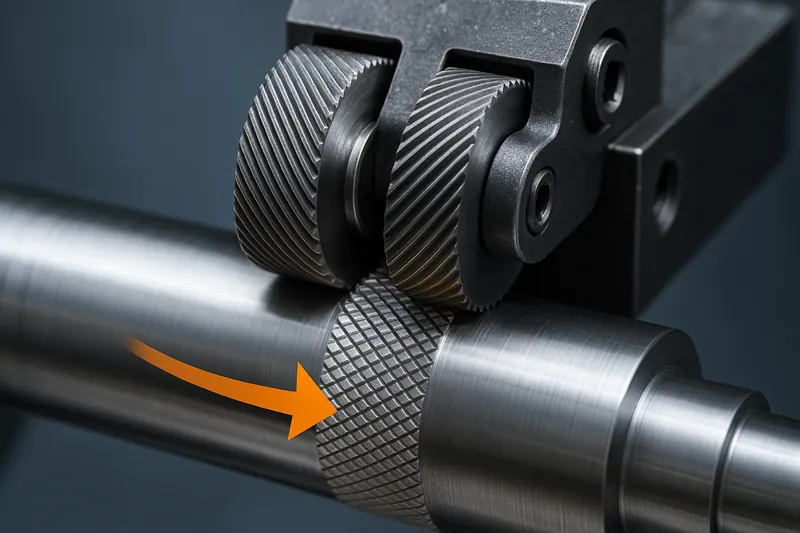
Options de finition de surface pour le tournage CNC
Nous proposons des options courantes de finition de surface pour les pièces tournées CNC afin d'améliorer la résistance à la corrosion, l'uniformité de l'apparence, la performance d'usure et l'adéquation à l'utilisation finale. Les finitions disponibles peuvent varier en fonction du type de matériau, de la géométrie de la pièce et des exigences du projet.
Tel qu'usiné
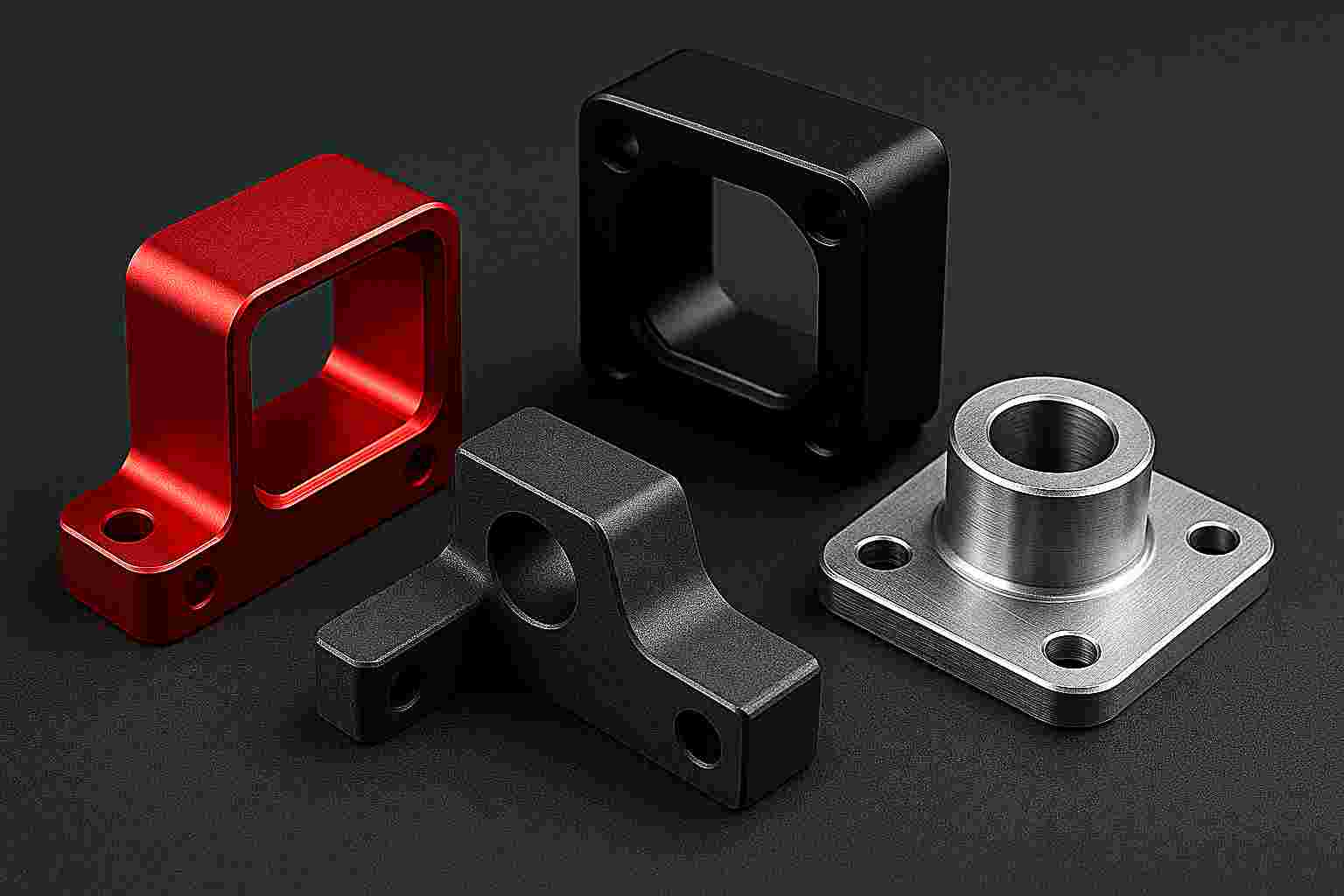
Anodisation
Oxyde noir
Sablage
Placage
Polissage
Articles connexes
Surface Finishing FAQ
What information do you need to prepare a surface finishing quote?
To prepare a quote for surface finishing services, we usually need:
- 2D PDF and/or 3D models (STEP/IGES/STP), if available
- Base material or grade
- Required quantity (prototype, low-volume, or production)
- Requested finish type, color, texture, or appearance standard
- Any critical dimensions, masking areas, or surface requirements
- Any special requirements such as salt spray testing, inspection reports, packaging, or labeling
If you are not sure which finish is most suitable, you can also send us your drawings or sample and our engineers will help review the project.
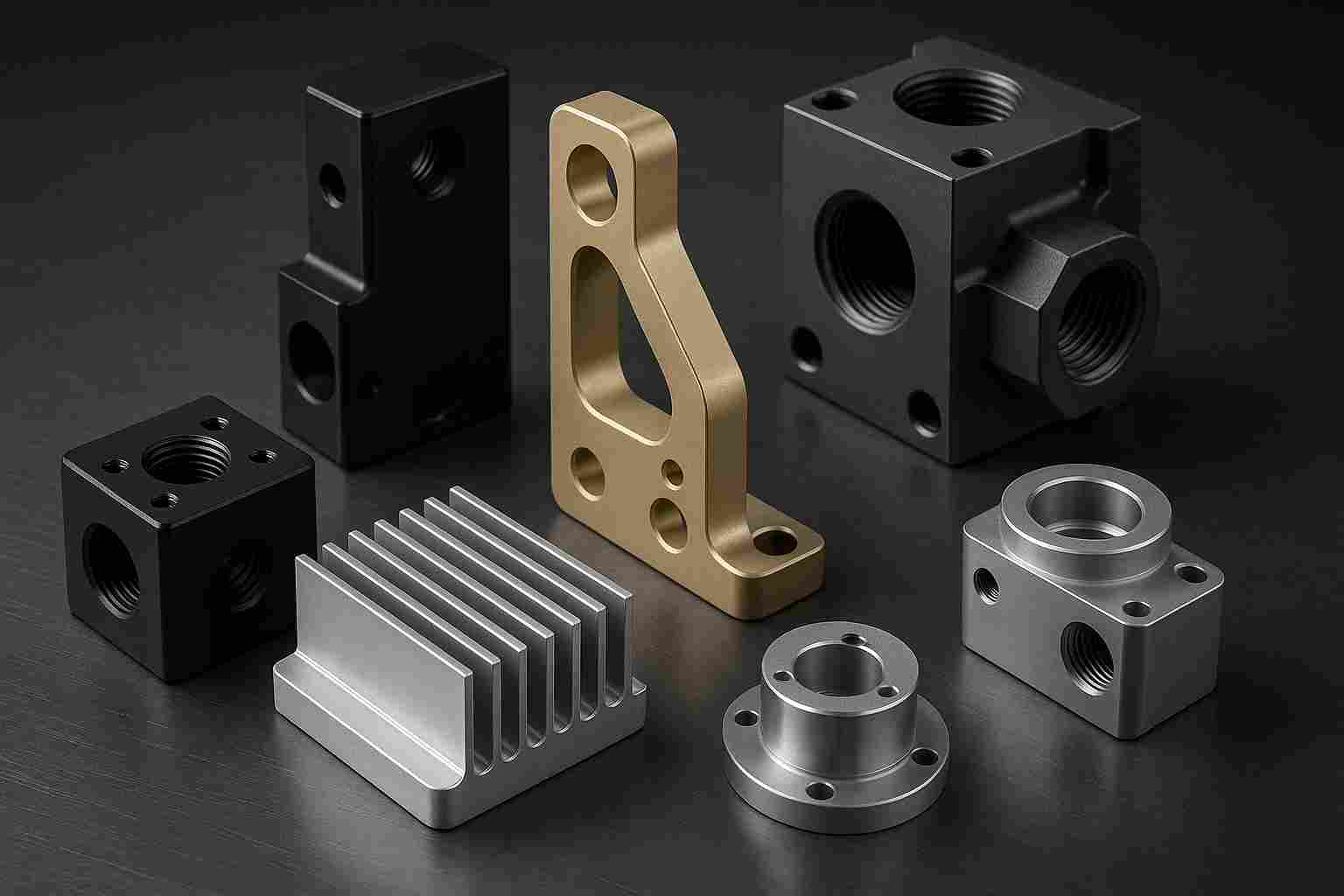
What surface finishing options do you offer for custom parts?
We offer a range of common surface finishing options for custom machined parts, including anodizing, bead blasting, polishing, plating, black oxide, powder coating, and other treatments depending on material type and project requirements.
The available process may vary based on part geometry, base material, cosmetic expectations, and end-use conditions.
What materials are suitable for different surface finishes?
Different finishing methods are matched to different materials. Common examples include:
- Aluminum: anodizing, bead blasting, polishing, powder coating
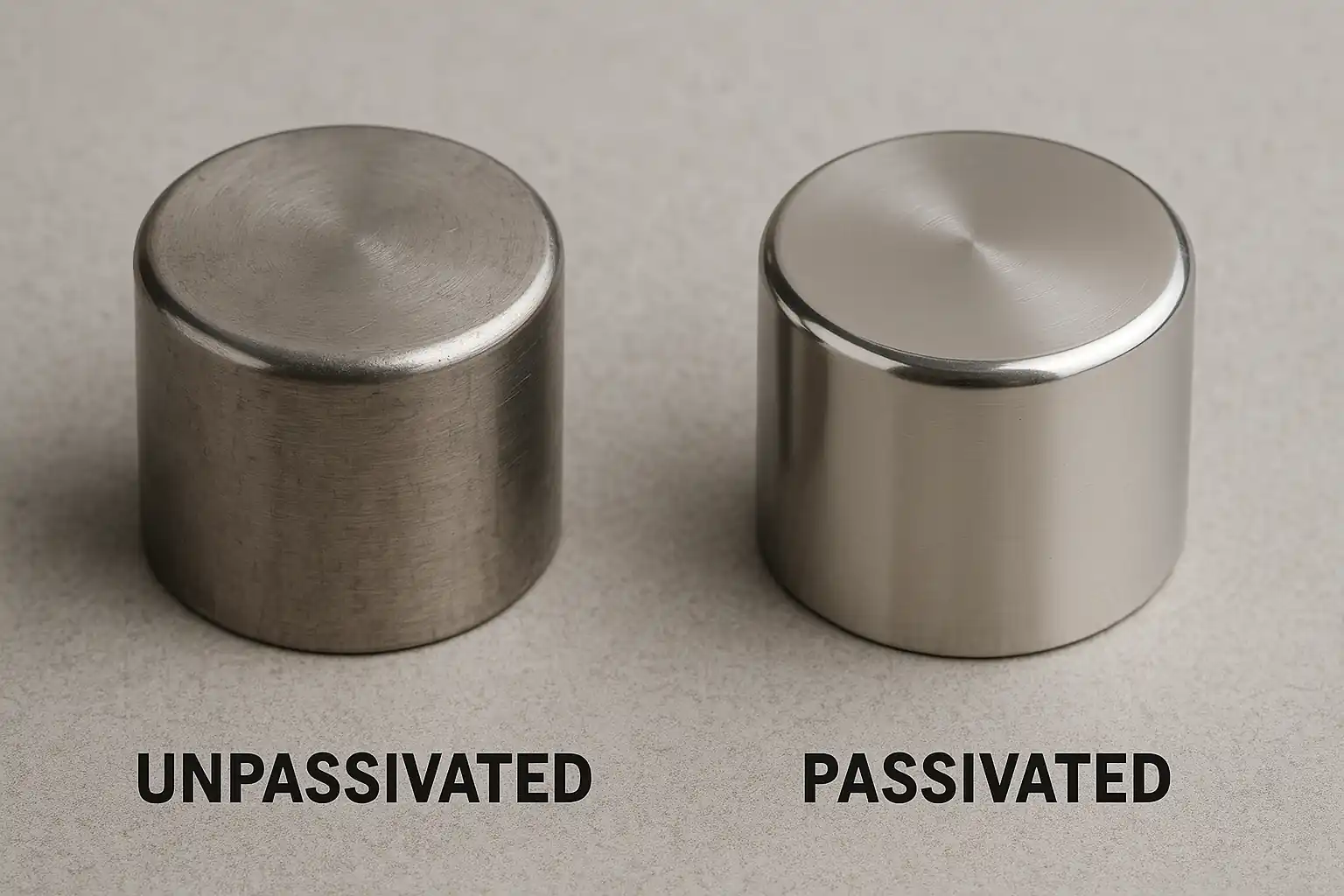
- Stainless steel: polishing, brushing, passivation
- Carbon steel: black oxide, plating, powder coating, painting
- Brass and copper: polishing, plating, selected decorative finishes
- Some plastics: texture improvement, painting, or cosmetic treatments on request
If you have a specific material and finish combination in mind, contact us and we will review feasibility.
Will surface finishing affect dimensions or tolerances?
Yes. Some finishing processes add coating thickness or slightly change the surface condition of a part.
- Anodizing, plating, and powder coating may affect fitted areas or threaded features
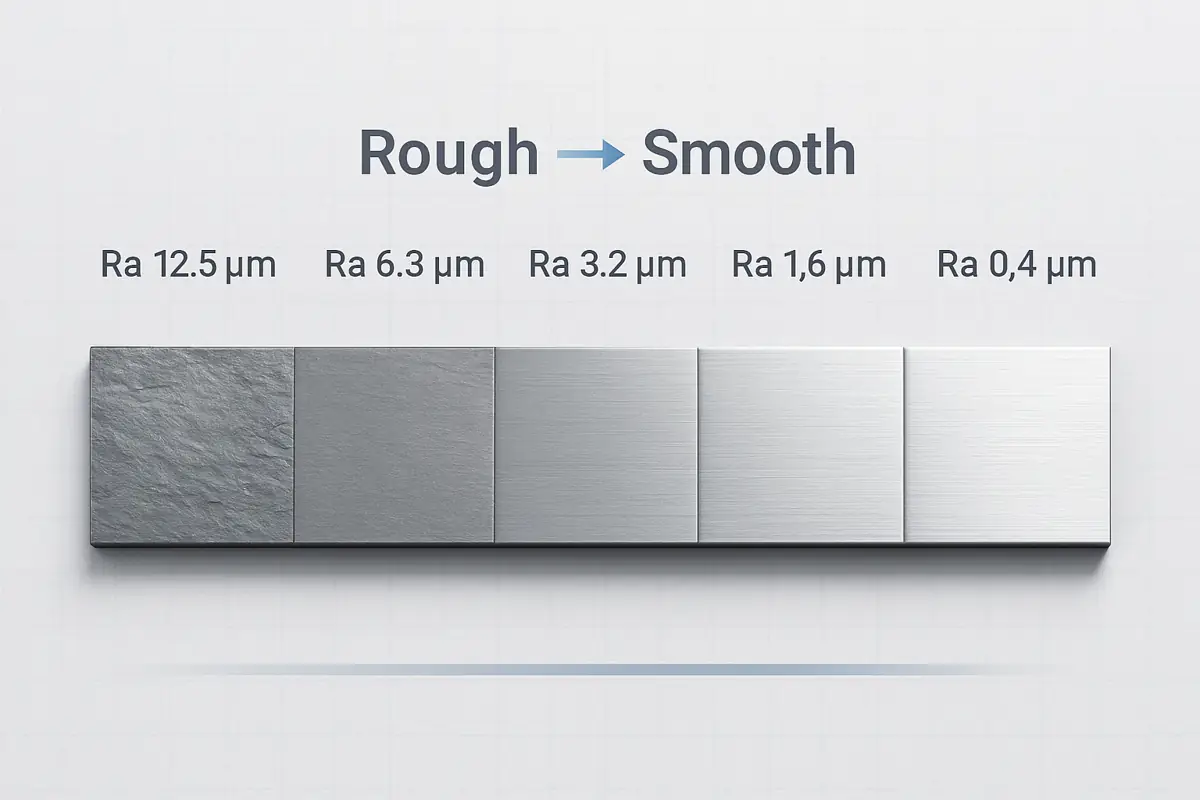
- Polishing and blasting may slightly change surface texture or edge sharpness
- Critical dimensions, sealing areas, and assembly surfaces may require masking or special control
If your part has tight tolerance requirements, we recommend confirming the finish requirements during DFM review before production.
Pouvez-vous prendre en charge à la fois les prototypes et la production en petite quantité ?
Yes. We support surface finishing for prototype parts, low-volume orders, and repeat production projects.
This allows customers to validate appearance, texture, and finish suitability first, then move to more consistent follow-up production based on the approved standard.
Can you provide finish samples or inspection support, and will my drawings remain confidential?
Yes. Depending on the project, we can support finish sample confirmation, appearance checks, and selected inspection documents on request.
All customer drawings, models, and related data are treated as confidential and are only used for manufacturing and finishing your parts.