
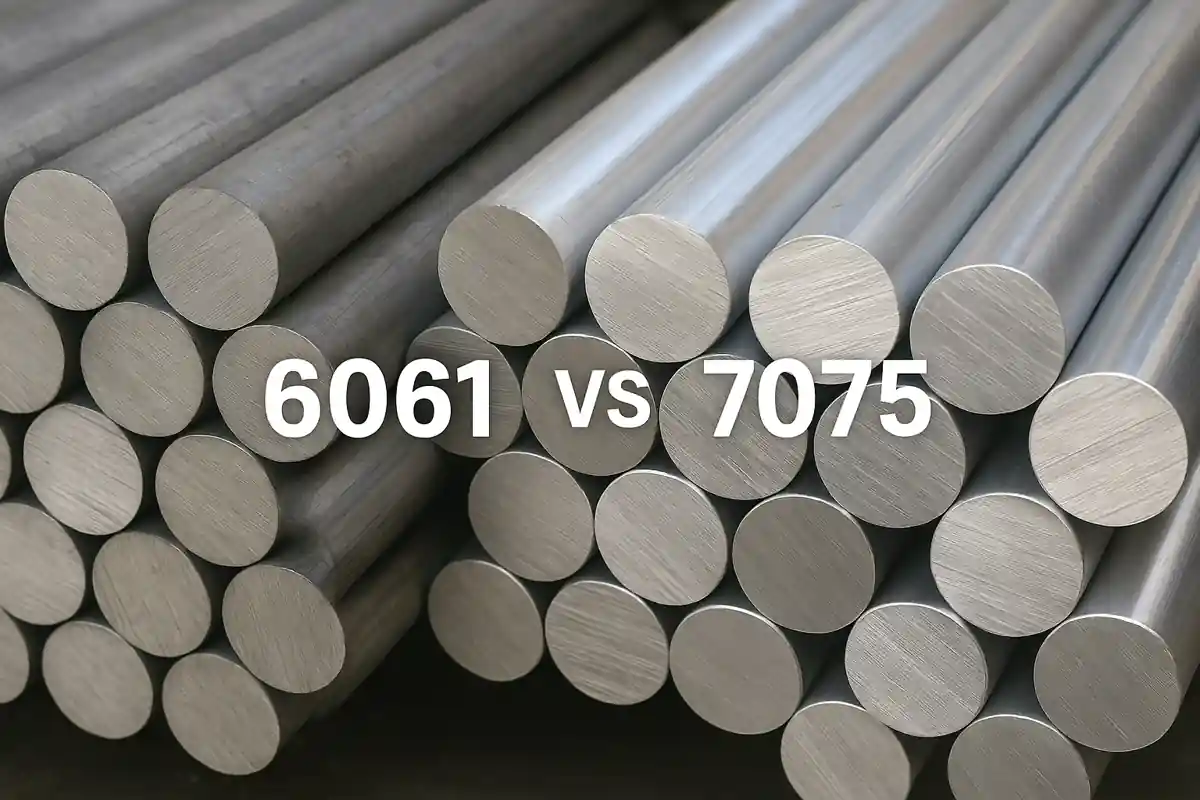

In CNC machining and mechanical design, 6061 and 7075 are the two most frequently compared aluminum alloys. One represents a well-balanced, general-purpose engineering material, while the other stands for ultra-high-strength, aerospace-grade aluminum. In real projects, engineers often face a dilemma: should they choose 6061, which offers sufficient strength, excellent machinability, and stable cost control, or 7075, which delivers near-steel strength but at a much higher manufacturing cost?
In practice, the differences between 6061 and 7075 go far beyond strength alone. They diverge clearly in chemical composition, density and weight, mechanical properties, machinability, corrosion resistance, weldability, overall manufacturing economics, and end-use applications. Understanding these boundaries is essential for making reliable, repeatable, and cost-controlled material selections.
What Is Aluminium 6061?
6061 is an Al–Mg–Si series heat-treatable aluminum alloy, most commonly supplied in T6 or T651 condition. It is the most widely used general-purpose aluminum alloy in CNC machining today. Its core value does not come from extreme performance in a single parameter, but from its balanced combination of strength, ductility, machinability, and corrosion resistance.
In real production, 6061 cuts smoothly, resists built-up edge, causes low tool wear, and delivers stable surface finishes. At the same time, it offers good natural corrosion resistance and can be reliably welded, with most strength recoverable through post-weld heat treatment. As a result, 6061 is widely used for automation components, structural parts, mounting brackets, electronic housings, and a wide range of fixtures and general mechanical parts. For most industrial structures, 6061 represents the most stable balance between performance and cost.
What Is Aluminium 7075?
7075 belongs to the Al–Zn–Mg–Cu series of ultra-high-strength aluminum alloys, commonly supplied in T6, T651, or T73 condition. Unlike 6061, which prioritizes overall balance, 7075 is engineered with a single dominant objective: maximum strength. Its tensile strength ranks among the highest of all aluminum alloys and has long been used in aerospace, defense, and high-load mechanical structures.
From an engineering perspective, 7075 offers exceptional strength, stiffness, and fatigue resistance. However, these advantages come at the cost of reduced corrosion resistance, extremely poor weldability, increased machining difficulty, and significantly higher total manufacturing cost. For this reason, 7075 is not a general-purpose alloy but a specialized material for extreme strength-driven applications.
6061 vs 7075: Engineering Comparison
The following sections provide a systematic engineering comparison between 6061 and 7075 across the most critical manufacturing dimensions.
Chemical Composition (wt.%)
| Element | 6061 | 7075 |
|---|---|---|
| Al | Balance | Balance |
| Mg | 0.8–1.2 | 2.1–2.9 |
| Si | 0.4–0.8 | ≤ 0.40 |
| Zn | ≤ 0.25 | 5.1–6.1 |
| Cu | 0.15–0.40 | 1.2–2.0 |
| Cr | 0.04–0.35 | 0.18–0.28 |
From an alloy-system standpoint, 6061 relies primarily on Mg–Si strengthening, optimized for balanced mechanical performance and corrosion resistance. By contrast, 7075 is built around a Zn–Cu–Mg precipitation-hardening system, which delivers extremely high strength but also introduces higher corrosion sensitivity and poor weldability. This fundamental difference explains why 7075 dramatically outperforms 6061 in strength while sacrificing manufacturability and environmental stability.
Density & Weight
| Property | 6061 | 7075 |
|---|---|---|
| Density (g/cm³) | 2.70 | 2.81 |
| Density (kg/m³) | 2700 | 2810 |
| Relative Weight (Same Volume) | Lighter | ~ 4 % Heavier |
In terms of density, 7075 is slightly heavier than 6061. At equal volume, the weight difference is typically less than 4 %. For the vast majority of industrial components, this difference is negligible. It only becomes a decisive factor in aerospace structures, racing components, or extreme lightweight design scenarios where every gram matters.
Strength & Mechanical Properties (T6)
| Property | 6061-T6 | 7075-T6 |
|---|---|---|
| Tensile Strength | 290–320 MPa | 510–580 MPa |
| Yield Strength | 240–275 MPa | 430–505 MPa |
| Hardness | 90–95 HB | ~ 150 HB |
| Elongation | 10–12 % | 6–8 % |
In T6 condition, the tensile and yield strength of 7075 are nearly twice those of 6061. However, this strength gain is accompanied by a clear reduction in ductility and impact tolerance. From an engineering safety perspective, when the actual working stress is already well within the capability of 6061, switching to 7075 rarely produces proportional reliability gains but will almost always increase cost and manufacturing risk.
CNC Machinability
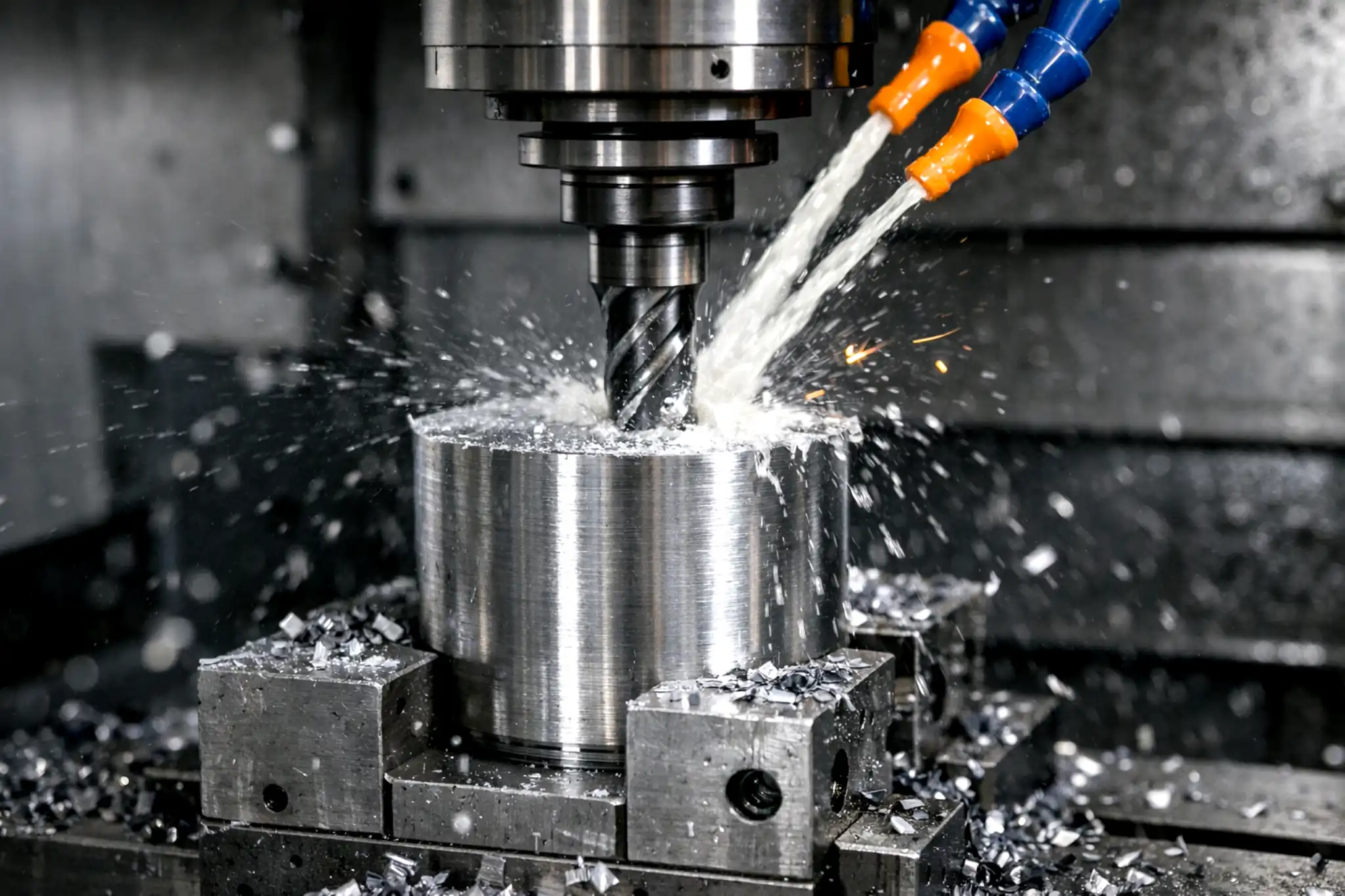
In CNC machining, 6061 is widely regarded as one of the most predictable and tool-friendly aluminum alloys. It offers low cutting forces, long tool life, and consistent surface quality, making it ideal for medium-to-high-volume production with tight consistency requirements.
By comparison, 7075 produces much higher cutting loads due to its elevated hardness. Tool wear accelerates, burr formation becomes more likely, and local stress concentration is harder to control. Under identical production targets, 7075 inevitably leads to higher tooling cost, tighter process windows, and increased scrap risk. From a manufacturing economics standpoint, 6061 remains the dominant choice for large-scale CNC production.
Corrosion Resistance
6061 exhibits good natural corrosion resistance due to its alloy chemistry and can achieve excellent long-term stability in outdoor or humid environments after anodizing.
7075, however, contains higher levels of Cu and Zn and is therefore much more sensitive to stress corrosion cracking and salt-spray corrosion. In marine or high-humidity environments, additional surface protection such as plating, sealed anodizing, or the use of T73 temper is often required. From a long-term reliability standpoint, environment-sensitive applications are generally better served by 6061.
Welding Performance
6061 offers reliable weldability and can recover a significant portion of its strength after post-weld heat treatment. This makes it suitable for structural frames, enclosures, and welded assemblies.
7075, in contrast, exhibits extremely poor weldability. The heat-affected zone is prone to cracking and irreversible strength degradation. In practical engineering, 7075 is widely treated as a non-weldable aluminum alloy, which means it should be excluded at the material-selection stage for any welded structure.
Cost & Price
7075 is significantly more expensive than 6061, and this difference is not limited to raw material pricing alone. Zn- and Cu-rich alloying elements raise material costs, while tighter heat-treatment controls further increase processing expense.
During machining, 7075 accelerates tool wear, limits cutting parameters, and raises scrap risk. In addition, long-term demand from aerospace and defense markets structurally sustains its high price level. In real production, the high cost of 7075 reflects total manufacturing cost rather than just alloy price.
Typical Applications
Although both 6061 and 7075 are widely used in CNC machining, their real-world applications follow very different engineering priorities. 6061 is selected primarily for manufacturing stability, surface treatment compatibility, and cost control, while 7075 is chosen when maximum strength-to-weight performance is the dominant requirement.
Typical applications of 6061 include:
- Automation components and machine frames
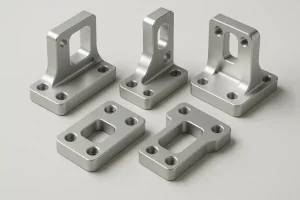
- Structural brackets and mounting supports
- Electronic enclosures and housings
- General CNC-machined mechanical parts
- Jigs, fixtures, and tooling components
- Parts requiring anodizing or welded assembly
These applications typically favor balanced strength, excellent machinability, weldability, corrosion resistance, and stable production cost.
Typical applications of 7075 include:
- Aerospace structural components
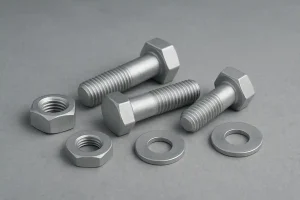
- High-strength fasteners and connectors
- Racing and motorsport components
- Fatigue-critical mechanical parts
- Lightweight, high-load structural elements
These use cases prioritize maximum strength, stiffness, and fatigue resistance, where higher material cost and machining difficulty are accepted as necessary trade-offs.
6061 vs 7075: Which One Should You Choose?
From an engineering decision perspective, if your component prioritizes cost control, machining stability, weldability, and corrosion resistance, then 6061 is the most practical and economical choice.
If your design must withstand extreme loads or severe fatigue conditions and is highly weight-sensitive, then 7075 becomes the justified option despite its higher manufacturing cost.
Conclusion
6061 represents the optimal general-purpose engineering aluminum alloy, while 7075 exists as a specialized solution for extreme strength-driven designs. In real manufacturing, selecting the wrong alloy rarely results in just “slightly lower performance”—it typically triggers higher machining cost, unstable production, delayed delivery, and elevated structural risk.
If you already have drawings or a clearly defined service environment, you can submit them for direct material and process evaluation:
Upload your drawings for a fast engineering review and quote.
Request a quote from our CNC engineering team.