
Turning Services for Custom Parts
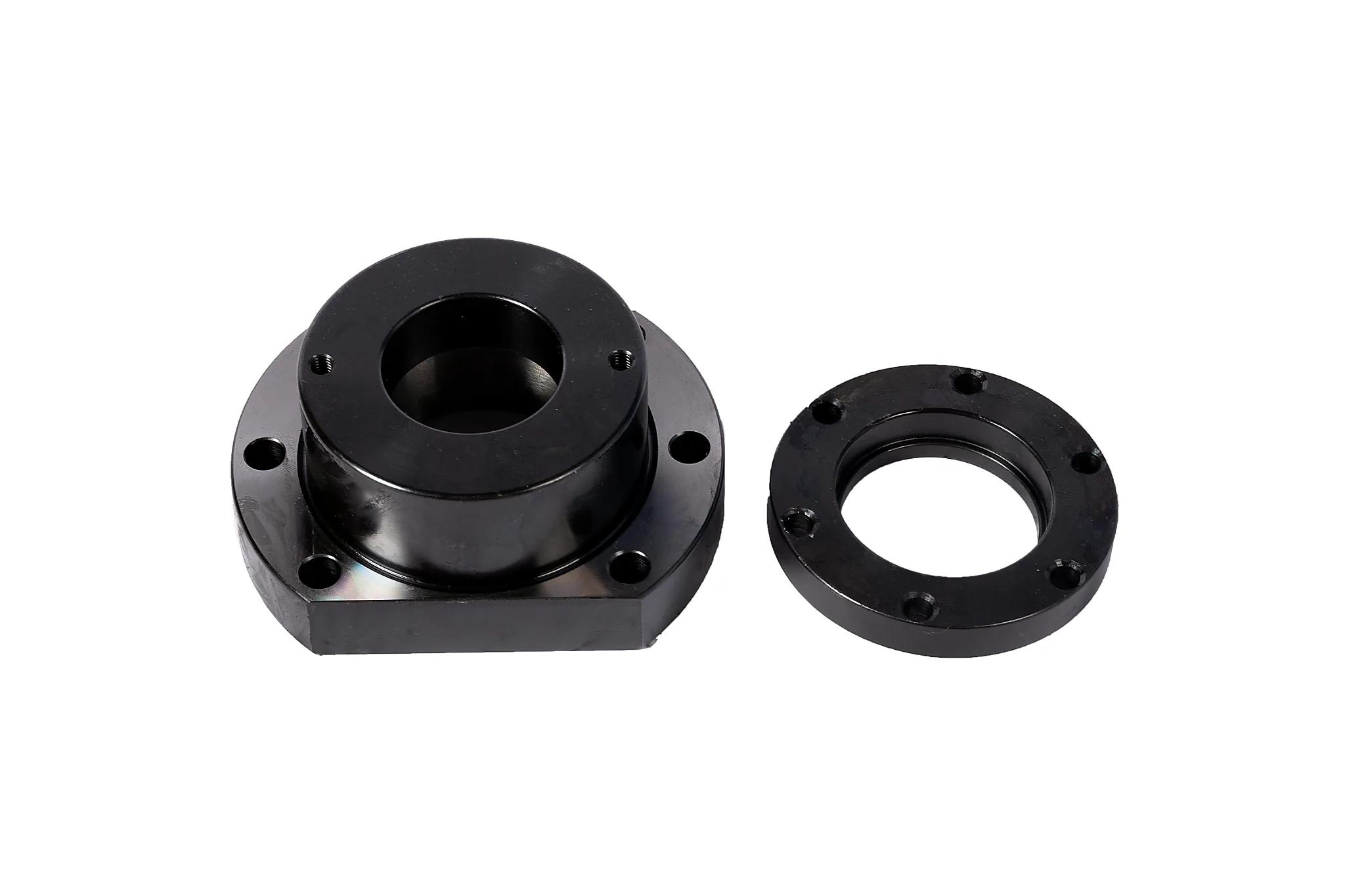
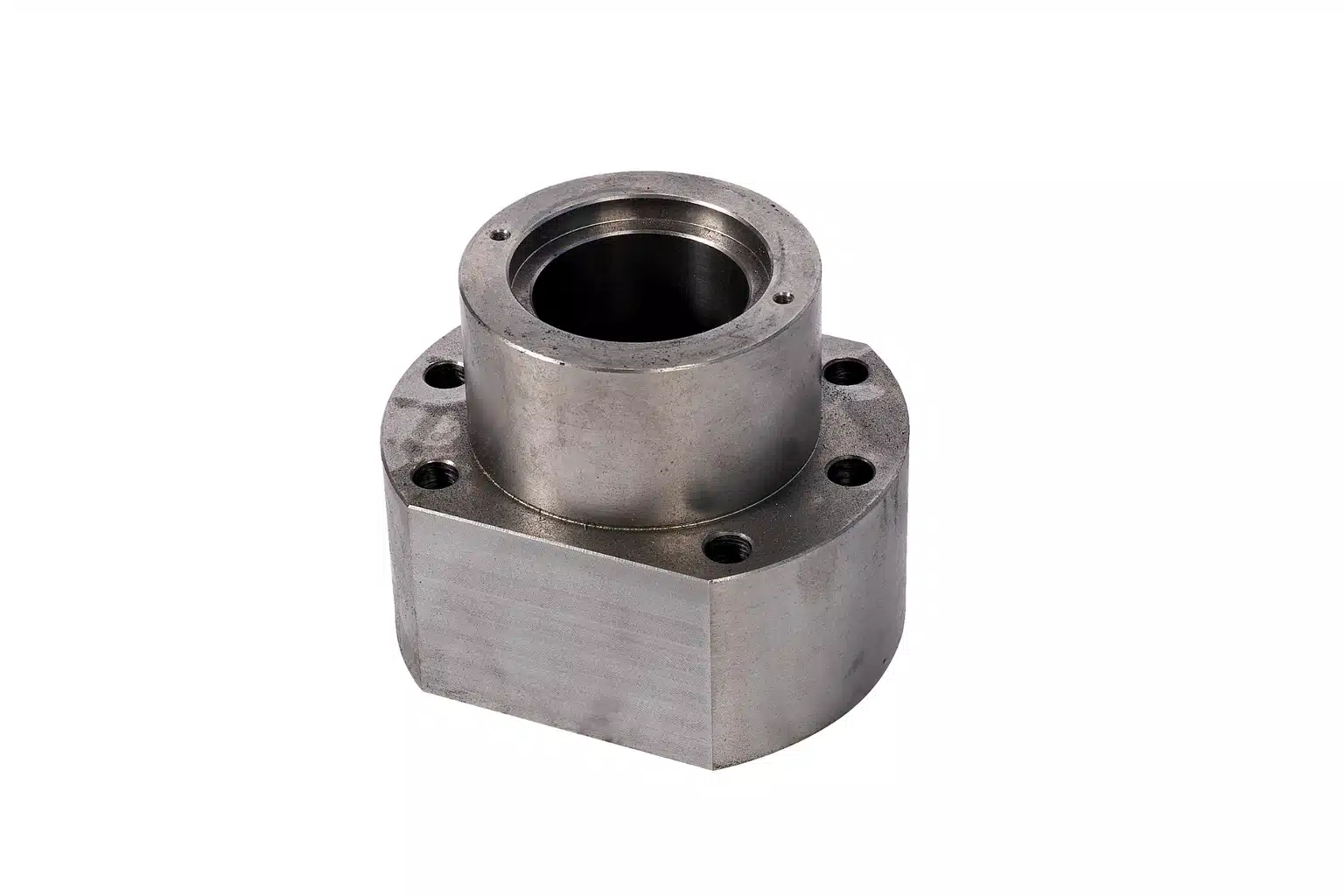
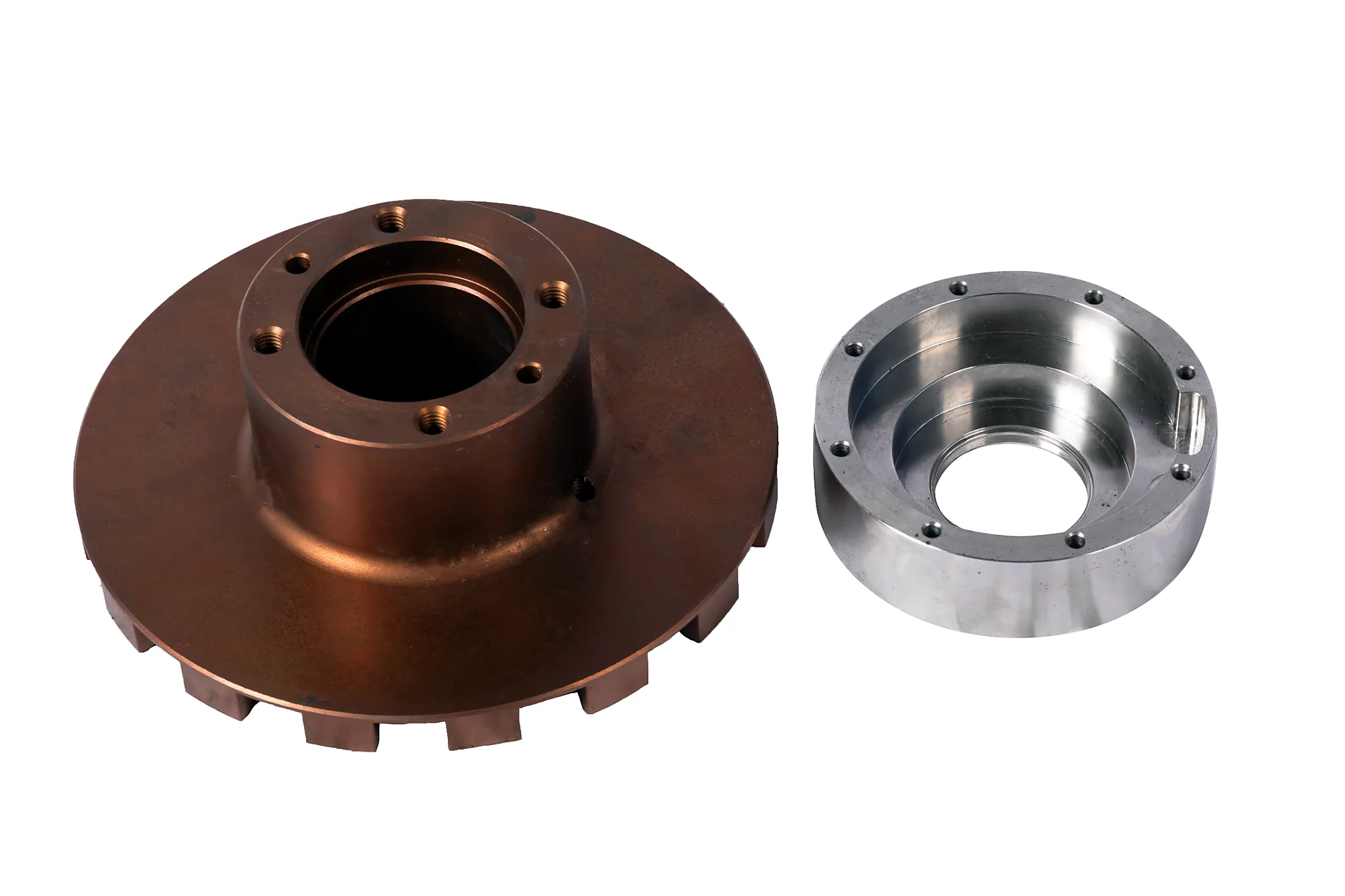
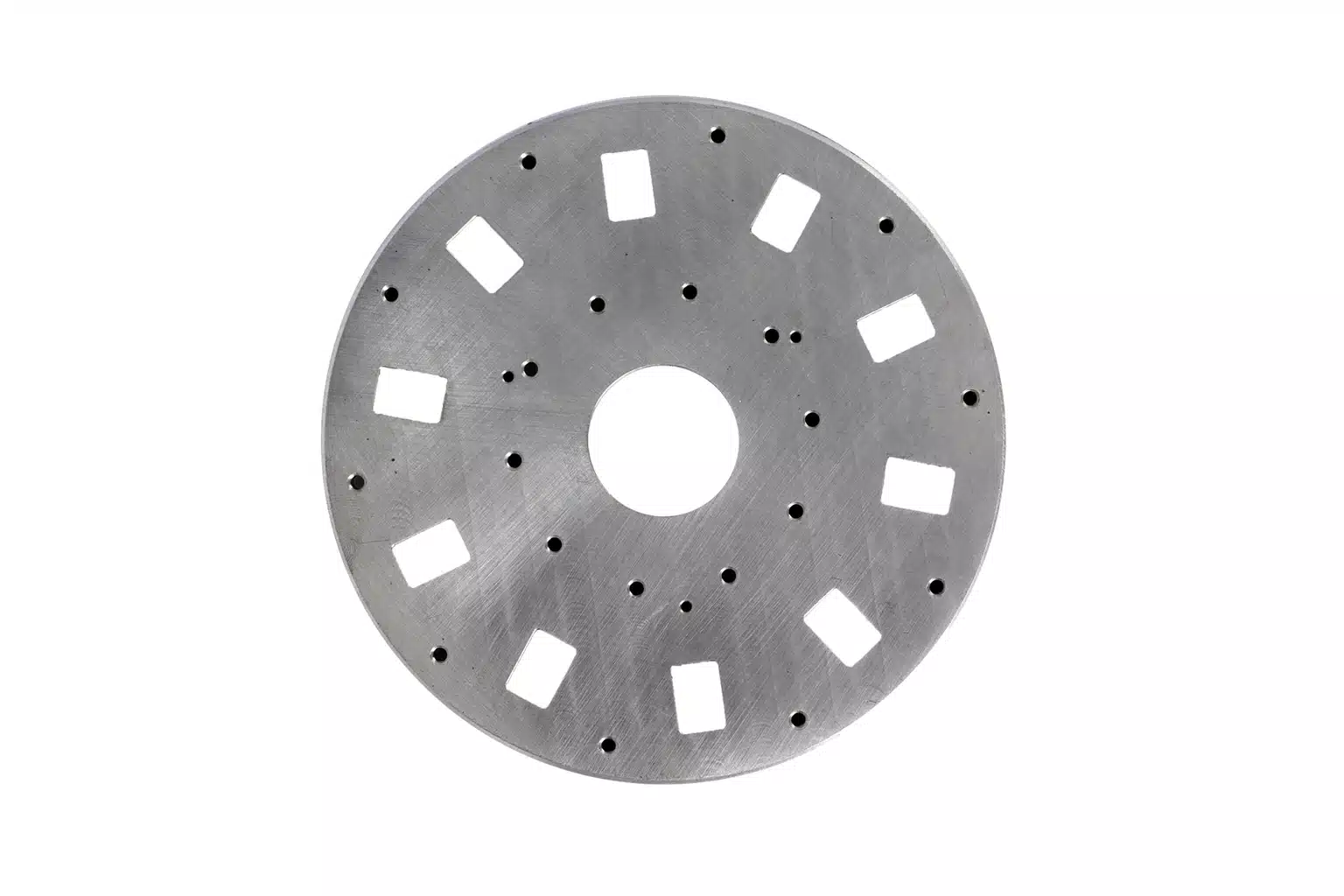
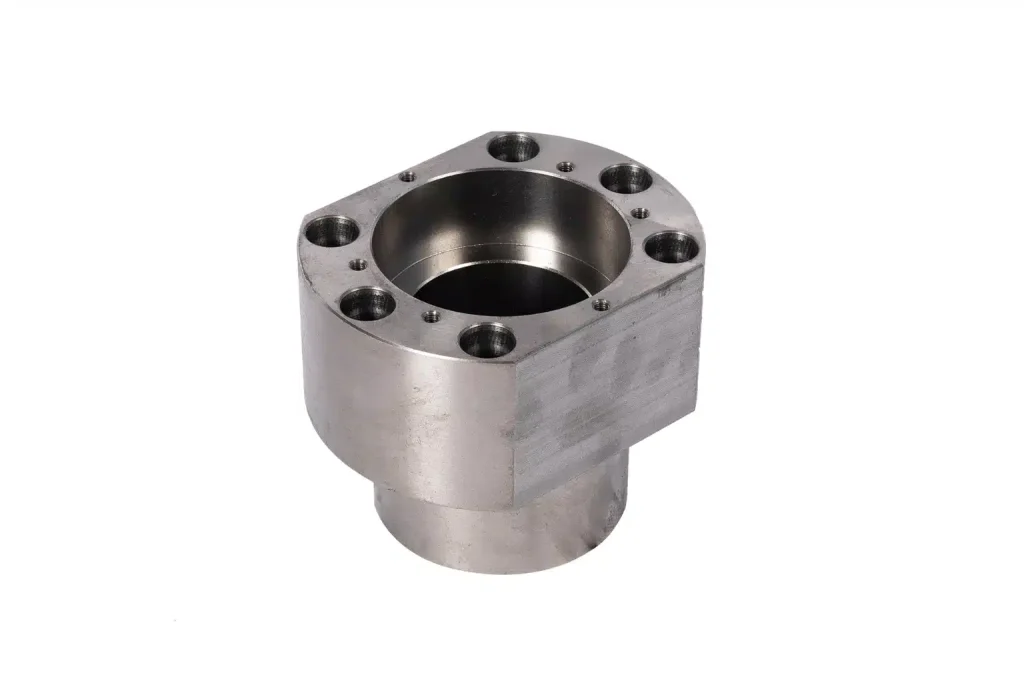
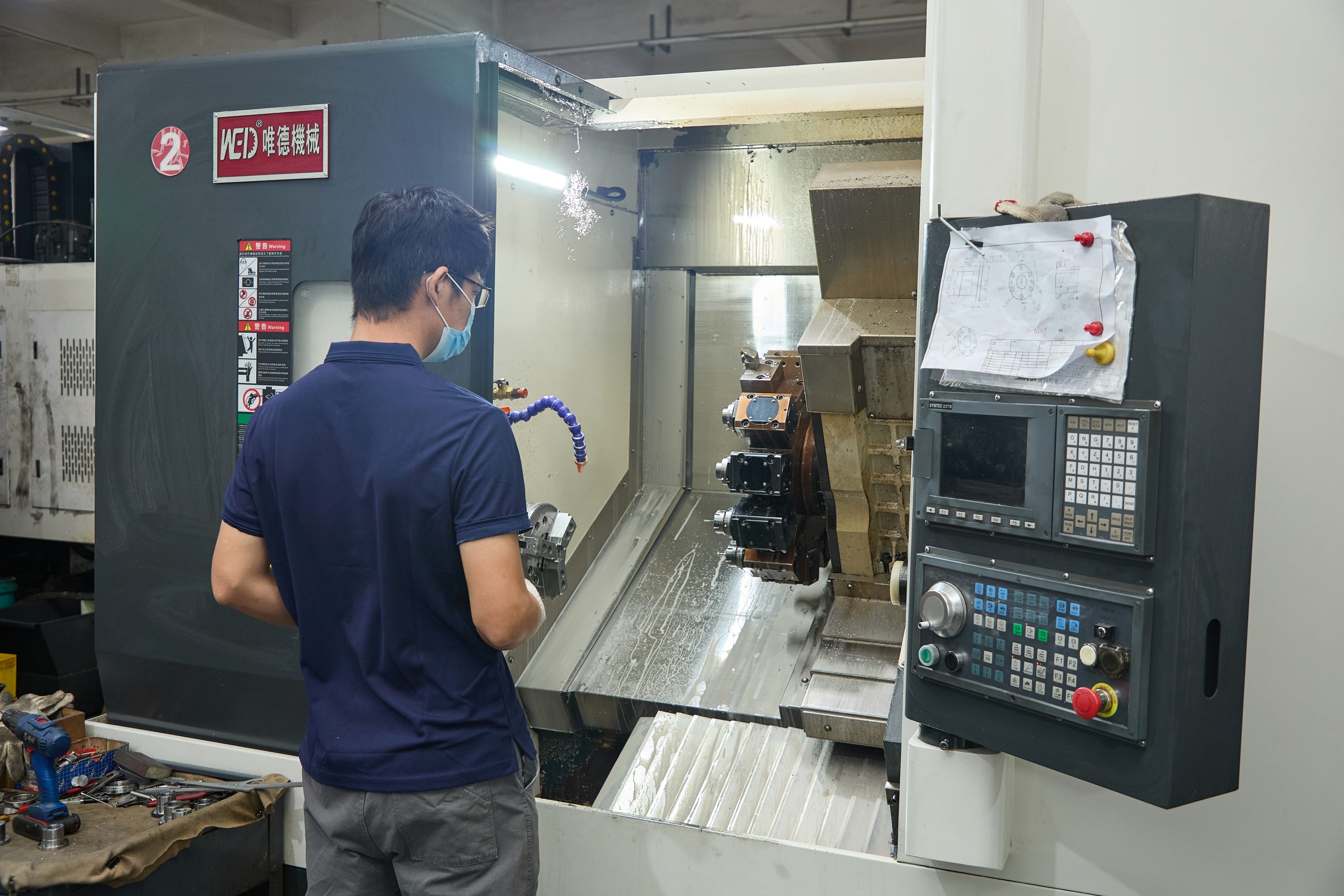
CNC turning is an important part of our core machining capabilities, suitable for a wide range of shafts, bushings, flanges, and other rotationally symmetric precision parts. Across different project stages, we provide machining support tailored to material properties, dimensional requirements, and functional needs, helping customers improve design-to-production efficiency and shorten validation cycles.
Backed by real shop-floor execution, process control, and quality management, we focus not only on machining outcomes but also on production stability and consistency throughout the process. Through close coordination between engineering and manufacturing, we help customers move more smoothly from drawings to finished parts, with stronger support for quality, lead times, and overall project execution.
Flexible CNC Machining Solutions
From rapid prototyping to low-volume production, we provide flexible CNC machining solutions tailored to your project stage. Our engineering team works closely with customers on DFM feedback, material selection, and process planning to deliver precision parts with consistent quality and reliable lead times.
Rapid Prototyping
Low-Volume Production
Material
| Material | Machinable Grades |
|---|---|
| Stainless Steel |
303 304 316L 310S 410 440C 17-4PH Duplex 2205 |
| Carbon/Alloy Steel |
1018 1045 A36 4140 4340 8620 |
| Aluminum Alloy |
2024 5052 6061 6082 7050 7075 |
| Copper/Brass |
Brass (C36000) Bronze (C932) Beryllium Copper Red Copper (T2) |
| Engineering Plastics |
Acetal Nylon PEEK Teflon (PTFE) UHMW-PE PVC Polycarbonate ABS |
Surface Finish Options for CNC Turning
We offer common surface finishing options for CNC turned parts to improve corrosion resistance, appearance consistency, wear performance, and end-use suitability. Available finishes may vary depending on material type, part geometry, and project requirements.
As Machined
Anodizing
Black Oxide
Sand Blasting
Plating
Polishing
CNC General Tolerance
| Parameter | Value (Metric) | Value (Imperial) |
|---|---|---|
| Maximum Part Size | Diameter: Ø250 mm Length: 600 mm |
Diameter: Ø10 in Length: 24 in |
| Minimum Part Size | Diameter: Ø5 mm Length: 10 mm |
Diameter: Ø0.2 in Length: 0.4 in |
| Minimum Feature Size | Hole: Ø1 mm Wall: 1 mm |
Hole: Ø0.04 in Wall: 0.04 in |
| Standard Tolerance | ±0.05 mm | ±0.002 in |
Why Choose Our CNC Turning Service
Tight Tolerance Control
Reliable Quality Assurance
Responsive Engineering Communication
What is CNC Turning?
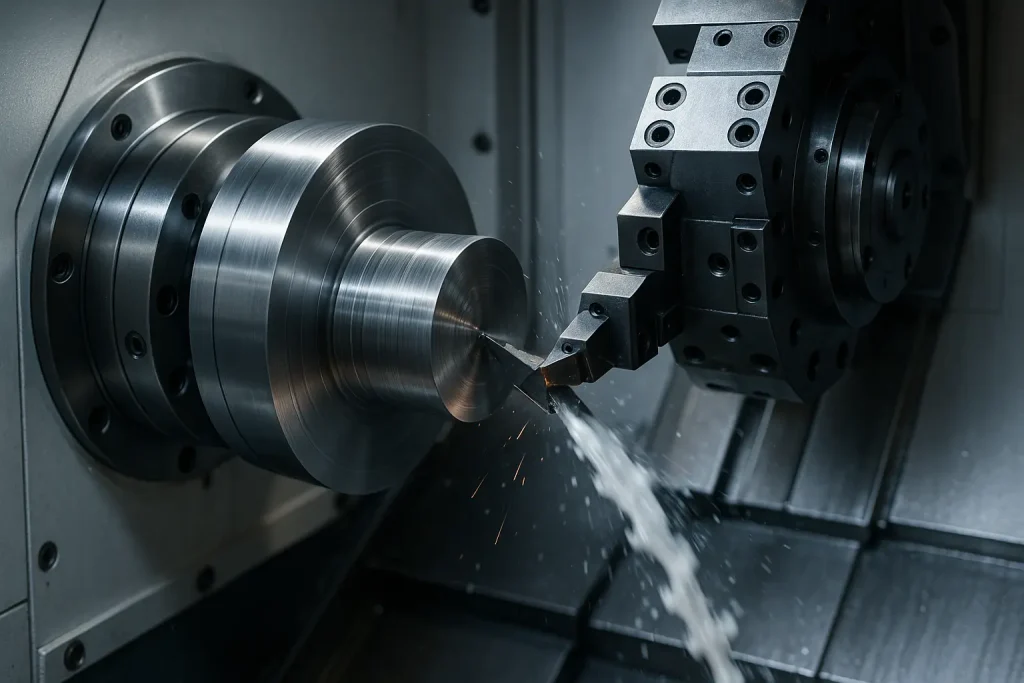
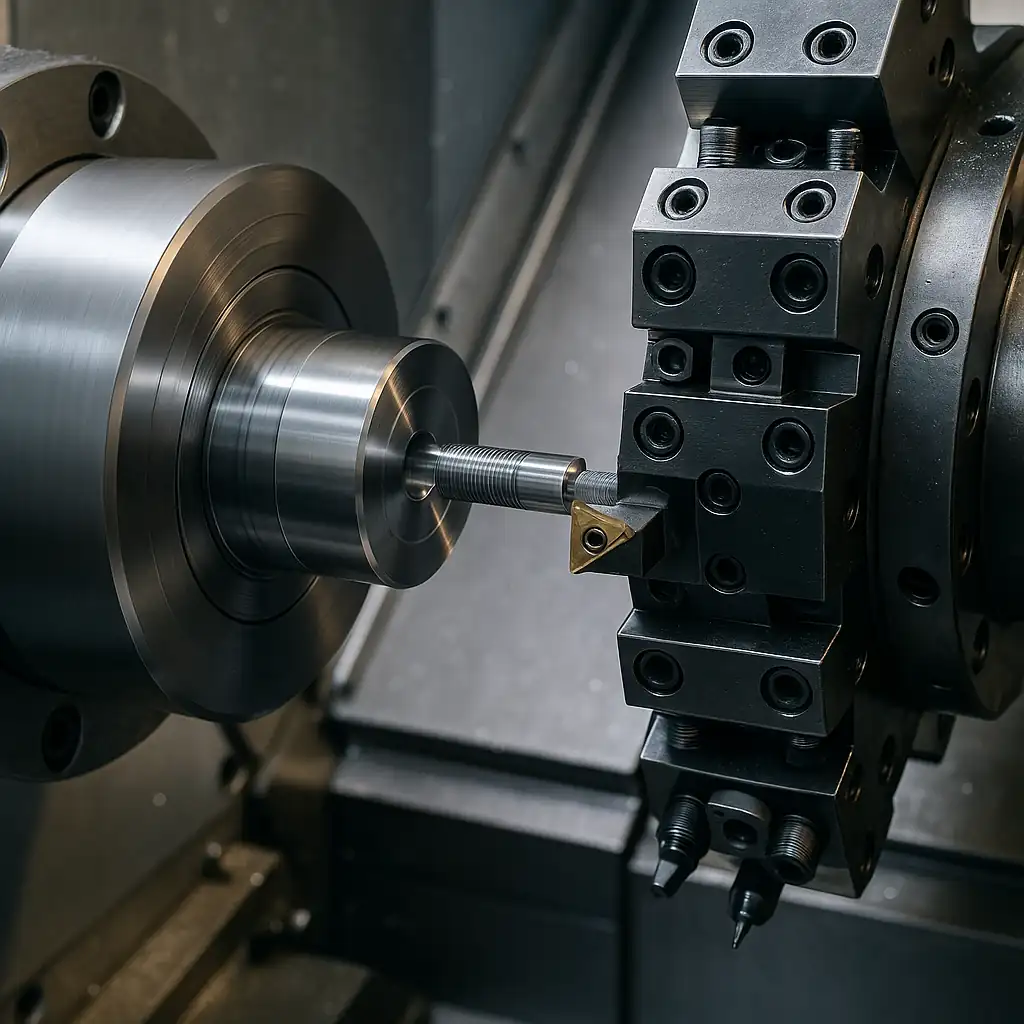
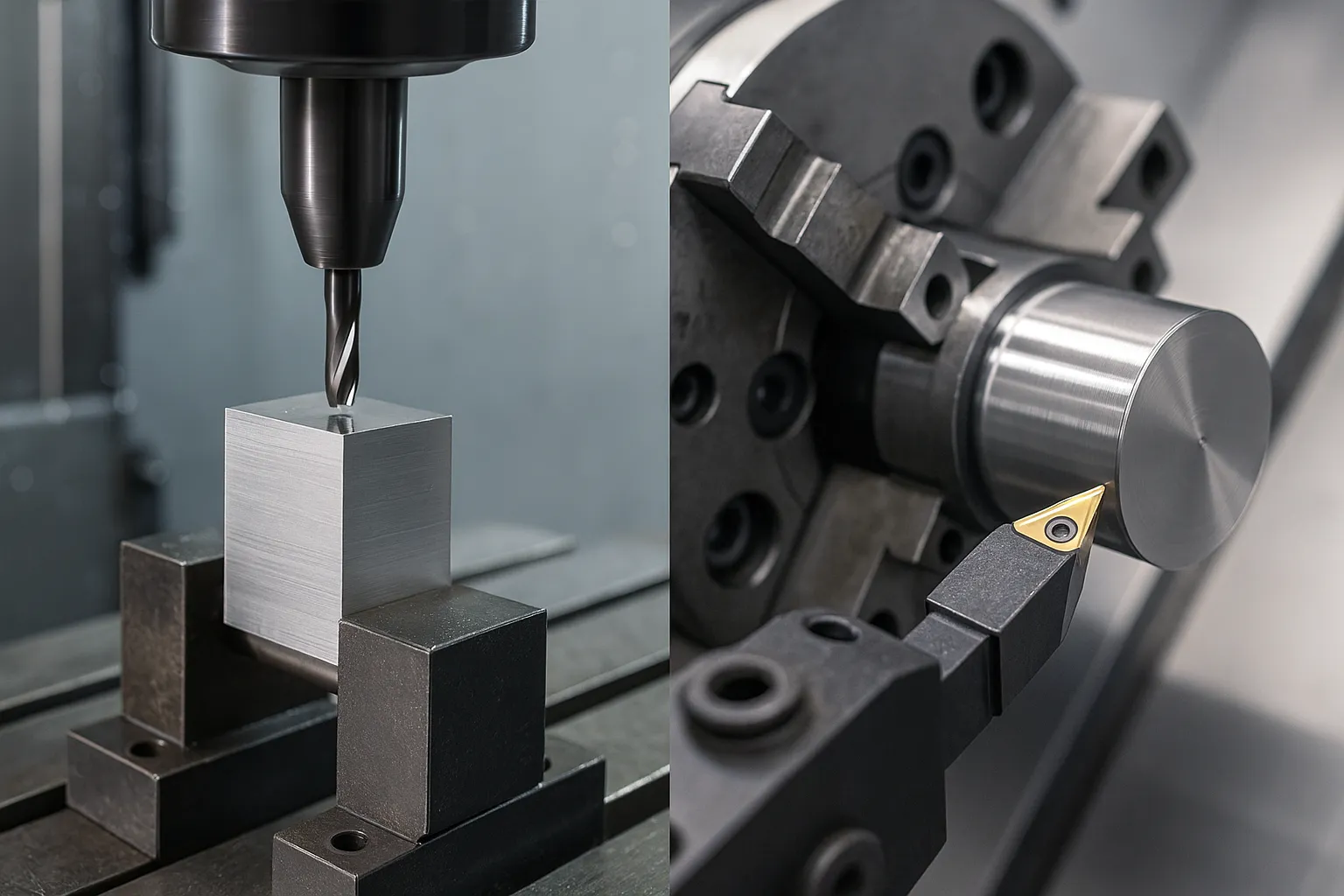
CNC turning is a precision machining process that creates cylindrical parts by rotating a workpiece at high speed while a stationary cutting tool removes material. Unlike CNC milling, where the tool rotates, in turning the part itself spins. This method is ideal for producing round, conical, and threaded components with exceptional accuracy and a smooth surface finish. Our advanced equipment can handle a wide range of materials and complex designs, ensuring your parts are made to the highest standards.
Ready to start your CNC machining project?
Upload your drawings and get DFM feedback and a quote within 1 business day.
Advantages of CNC Turning
High Accuracy for Rotational Features
CNC turning is ideal for producing parts with precise diameters, concentric features, smooth outer surfaces, and accurate threaded sections that are difficult to achieve consistently through manual machining.
Efficient for Shaft and Round Part Production
Because the workpiece rotates during machining, CNC turning is especially suitable for shafts, bushings, sleeves, flanges, and other round or rotationally symmetric components.
Stable for Prototypes and Batch Production
CNC turning supports both prototype development and repeat production, helping improve dimensional consistency, machining stability, and overall production efficiency.
Typical CNC Turning Applications
CNC turning is widely used for parts that require precise diameters, concentricity, smooth outer surfaces, and repeatable machining quality. It is commonly applied in automotive, industrial equipment, fluid control, and general mechanical projects for a wide range of round and rotational components.
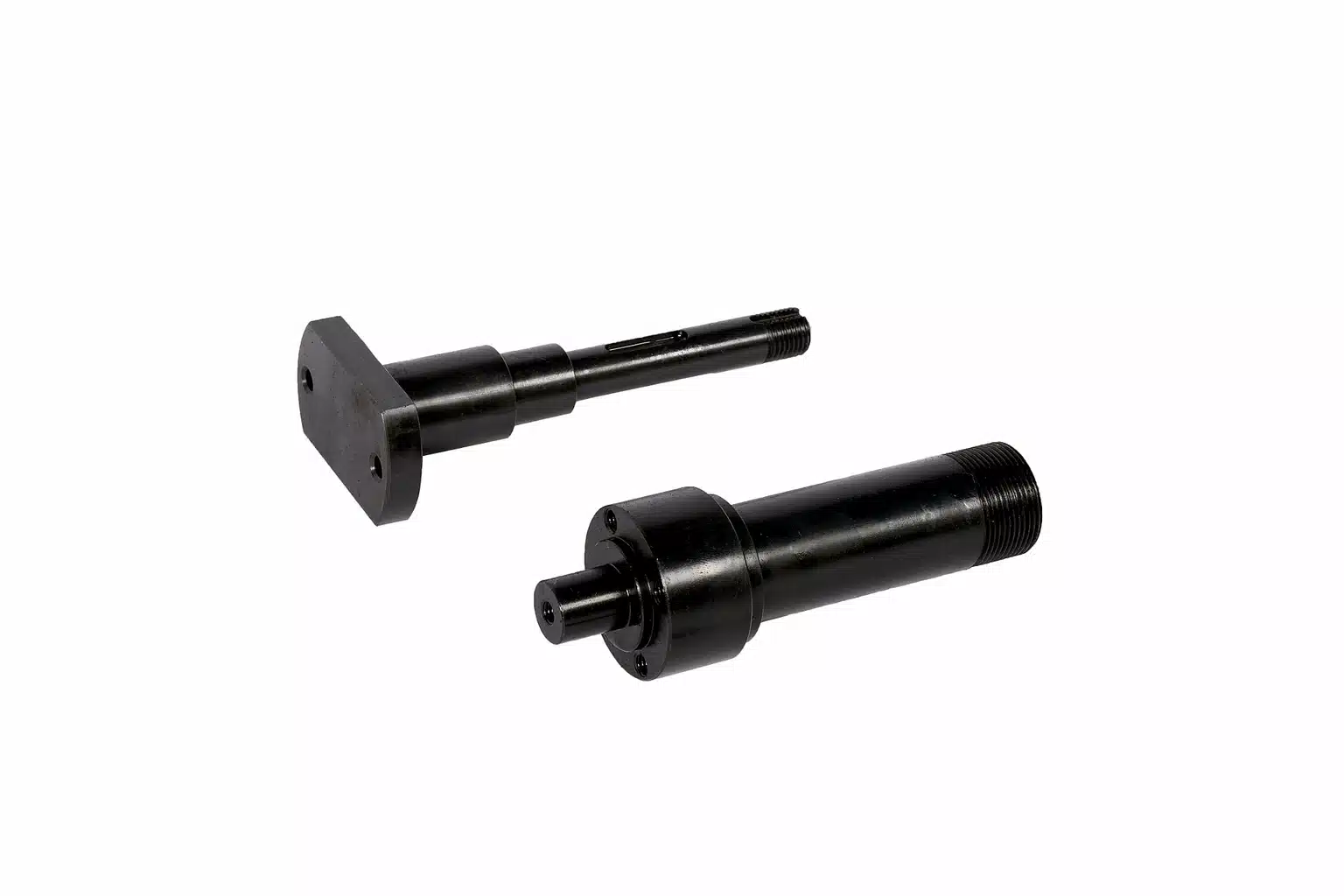
Shafts, pins, and stepped cylindrical parts
Bushings, sleeves, and spacers
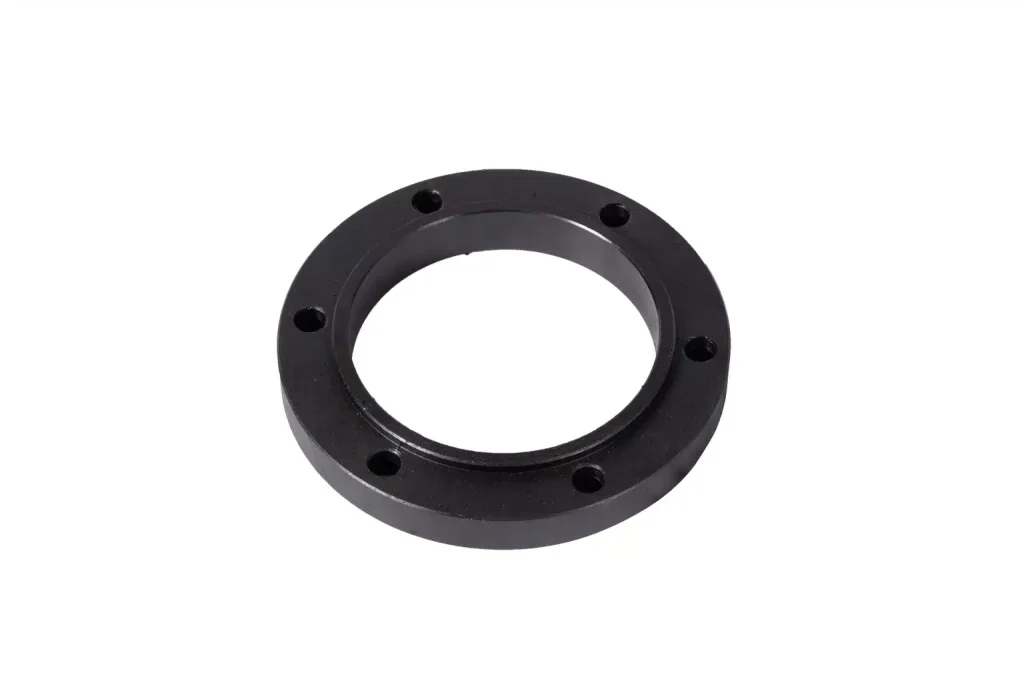
Flanges, rings, and round covers
Threaded parts and connector components
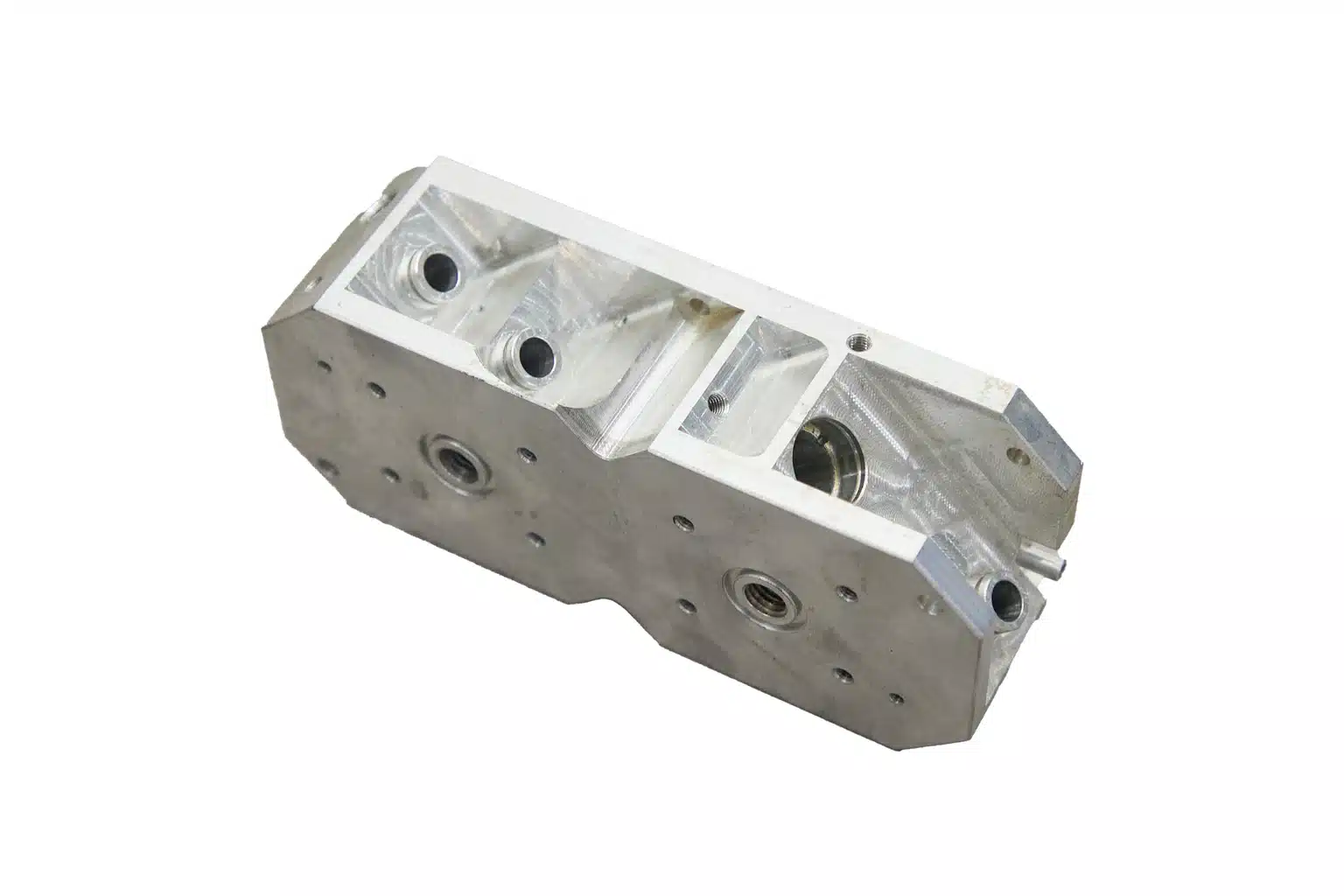
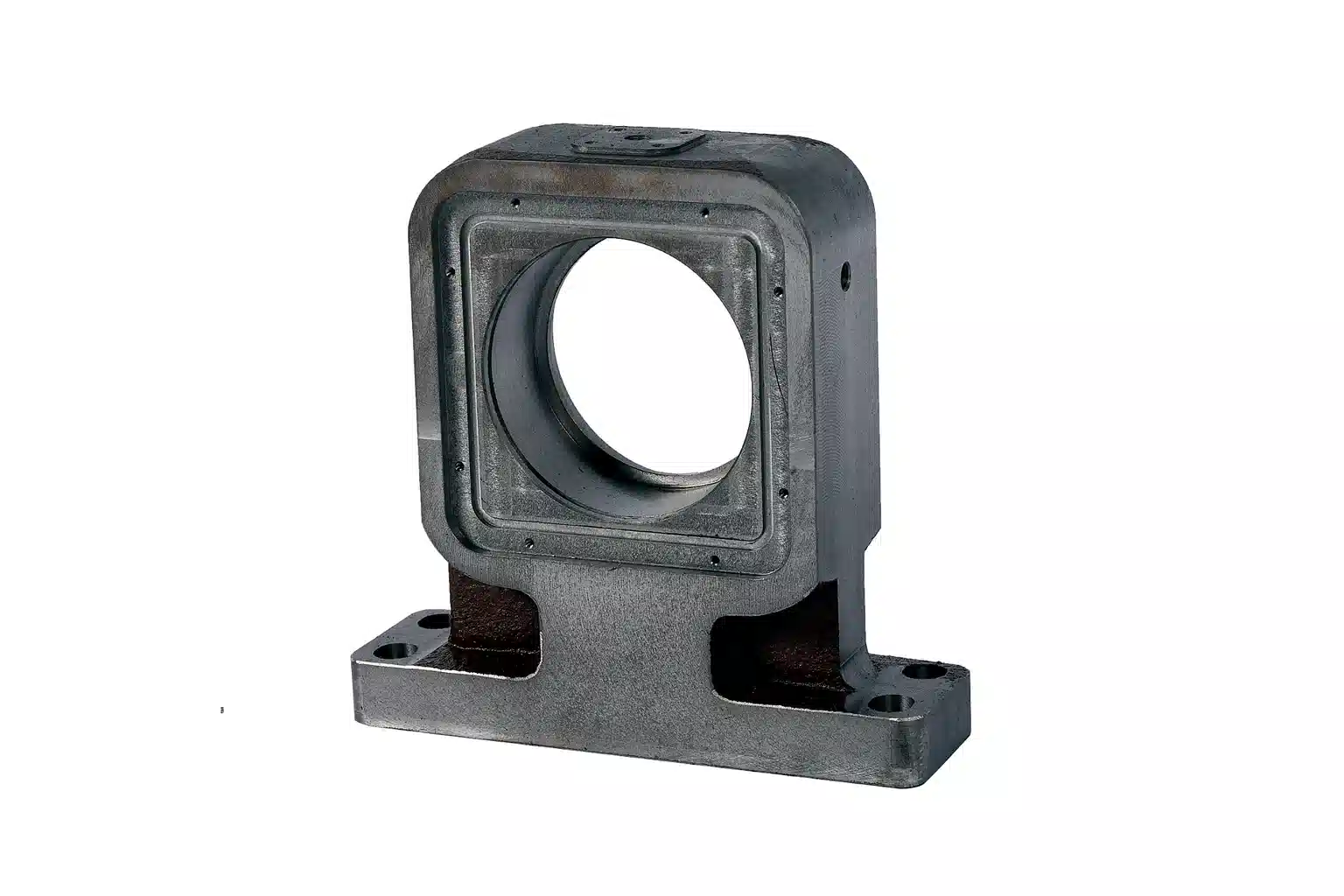
Valve bodies and fluid system components
Custom aluminum, steel, and stainless steel turned parts
CNC Turning FAQ
What information do you need to prepare a CNC turning quote?
To prepare a quote for CNC turning parts, we usually need:
- 2D PDF and/or 3D models (STEP/IGES/STP)
- Material or grade
- Required quantity (prototype, small batch, or production)
- Surface finish and any post-treatment (anodizing, plating, polishing, etc.)
- Critical dimensions or key tolerances
- Any special requirements such as inspection reports, packaging, or labeling
If you only have a sample or rough drawing, you can also send it to us and our engineers will help review the project.
What parts are best suited for CNC turning?
CNC turning is most suitable for rotational parts such as shafts, bushings, pins, sleeves, flanges, threaded parts, and other cylindrical components.
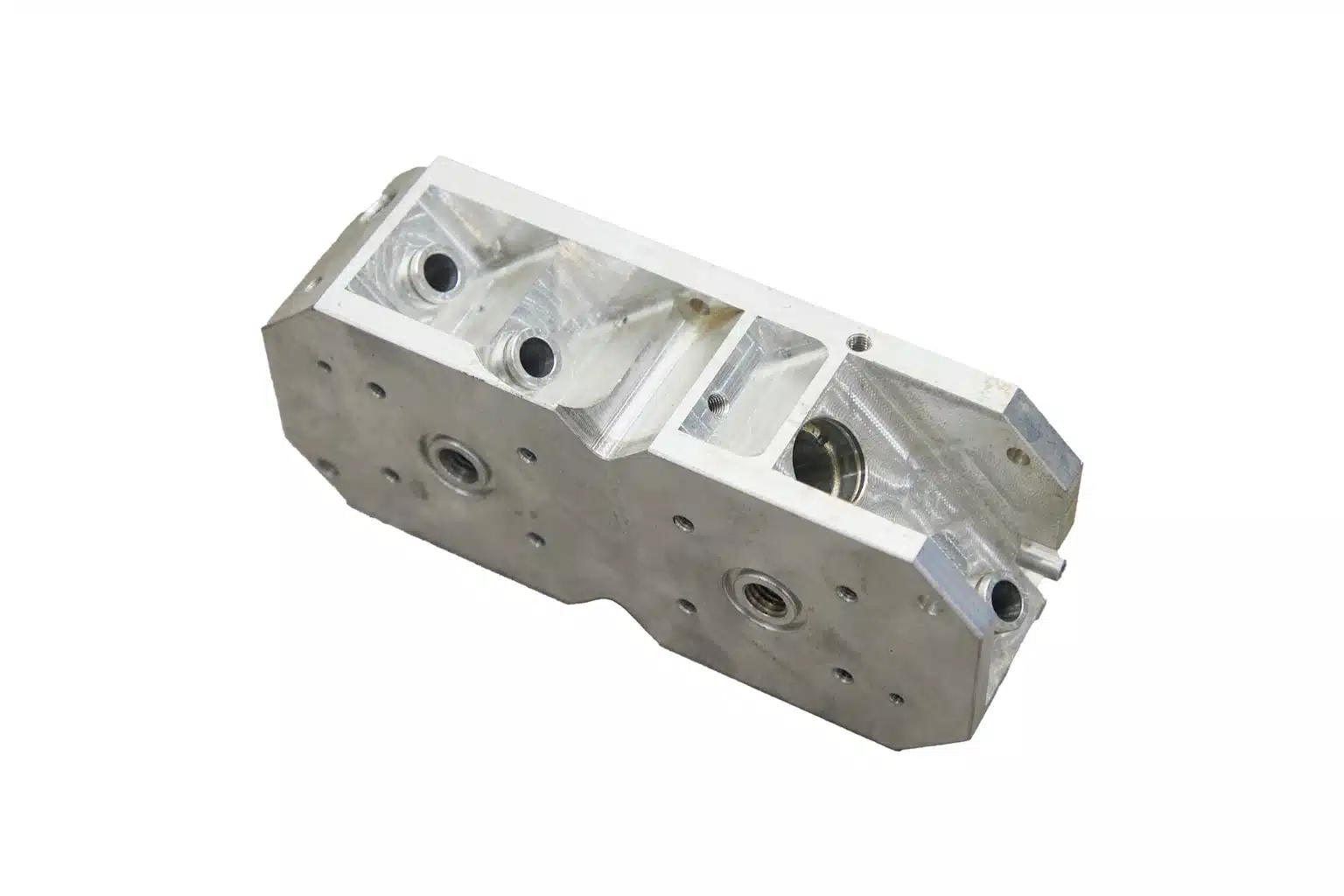
For parts that combine turned features with milled features, we can also review the most practical machining route based on the drawing.
What materials are available for custom CNC turning?
We commonly machine a wide range of materials for CNC turning, including:
- Aluminum alloys (such as 6061, 6082, 7075)
- Stainless steels (such as 304, 316, 17-4PH)
- Carbon steels and alloy steels
- Brass, bronze, and copper
- Engineering plastics such as POM, PEEK, PTFE, and nylon
If you have a special material requirement, contact us and we will check machinability and lead time.
What tolerances can you achieve for turned parts?
For standard CNC turned parts, we typically work to:
- General tolerances: ±0.05 mm
- Tighter tolerances on key dimensions on request, after DFM review
The achievable tolerance depends on part geometry, material, length-to-diameter ratio, and inspection method.
Can you support both prototypes and low-volume production?
Yes. We support CNC turning projects from rapid prototyping to low-volume production.
This allows customers to validate designs first and then move to repeatable production with the same machining support and quality control process.
Can you provide inspection reports, and will my drawings remain confidential?
Yes. We can provide inspection documents such as CMM reports, FAI reports, and material certificates on request.
All customer drawings, models, and related data are treated as confidential and are only used for manufacturing your parts.