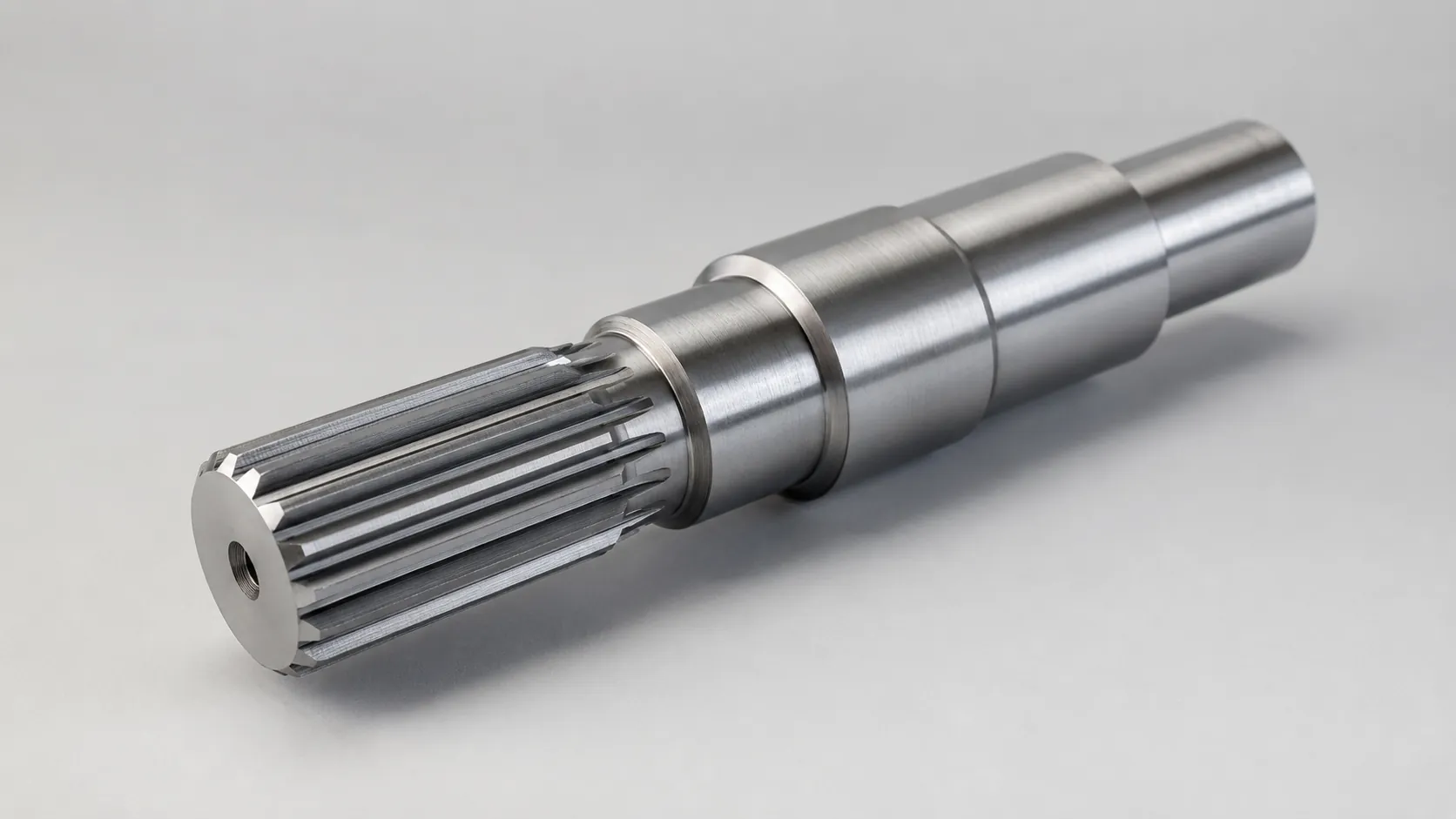








Custom CNC Turning Services
Custom CNC Turning Services | Extreme 5μm Tolerance | Diverse Material Support | Flexible Production | Efficient Delivery | ISO 9001 Quality Certified
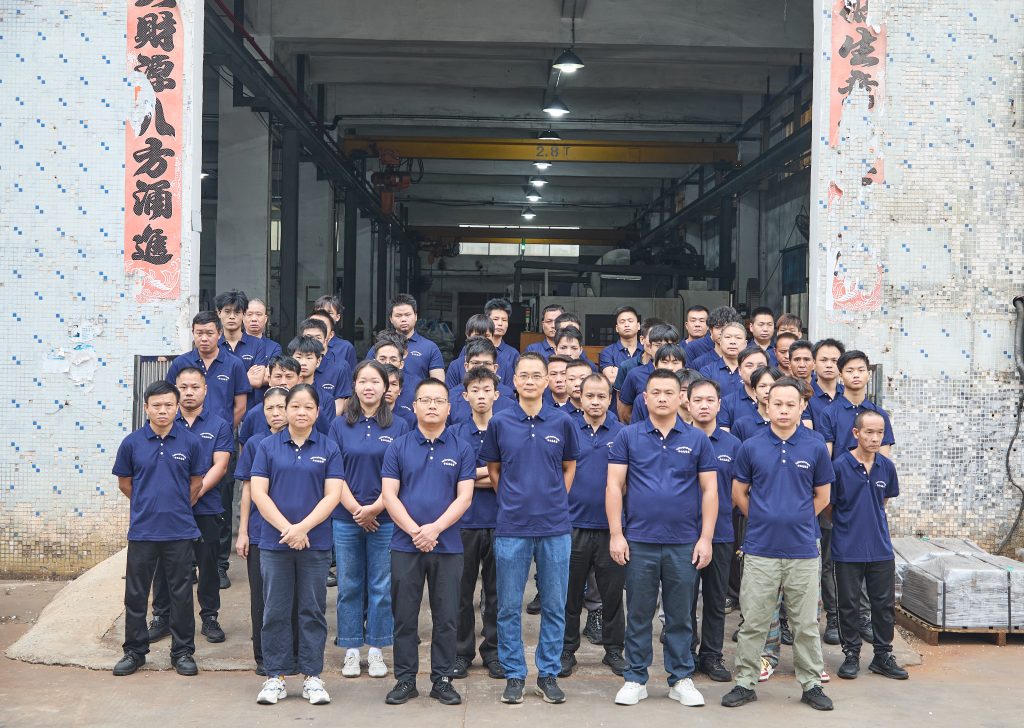
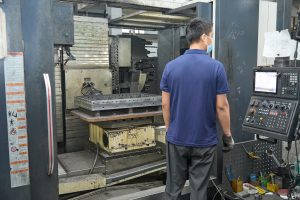
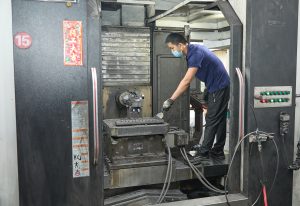
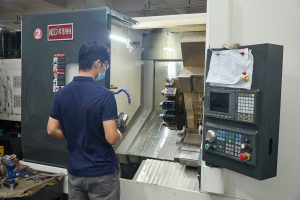
A dedicated team of engineers and technicians ensuring precision, efficiency, and reliability across every machining process.
Reliable CNC machining partner delivering consistent quality, fast lead times, and precision parts for global industries.
Expert CNC machining services backed by consistent quality, reliable lead times, and industry-grade process control. Supporting aerospace, automotive, electronics, and medical manufacturing.
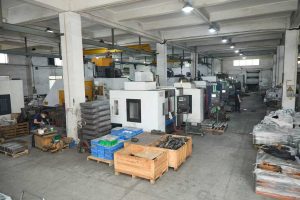
ISO 9001:2015 certified CNC machining facility serving worldwide clients. Professional solutions for all your precision manufacturing needs.
PRECISION MANUFACTURING EXPERTS
We are a leading manufacturer specializing in high-precision manufacturing and custom production solutions. With state-of-the-art equipment and over 15 years of experience, we deliver superior quality parts that meet the most demanding specifications.
Core Capabilities:
• CNC Milling & Turning (Precision up to ±0.01mm)
• Precision Parts Manufacturing
• Prototype & Small Batch Production
• Complex Components Machining
• Comprehensive Quality Inspection
Industry Solutions:
• Aerospace & Aviation
• Automotive Components
• Medical Devices
• Industrial Equipment
• Electronics & Semiconductors
Quality Assurance:
• ISO 9001:2015 Certified
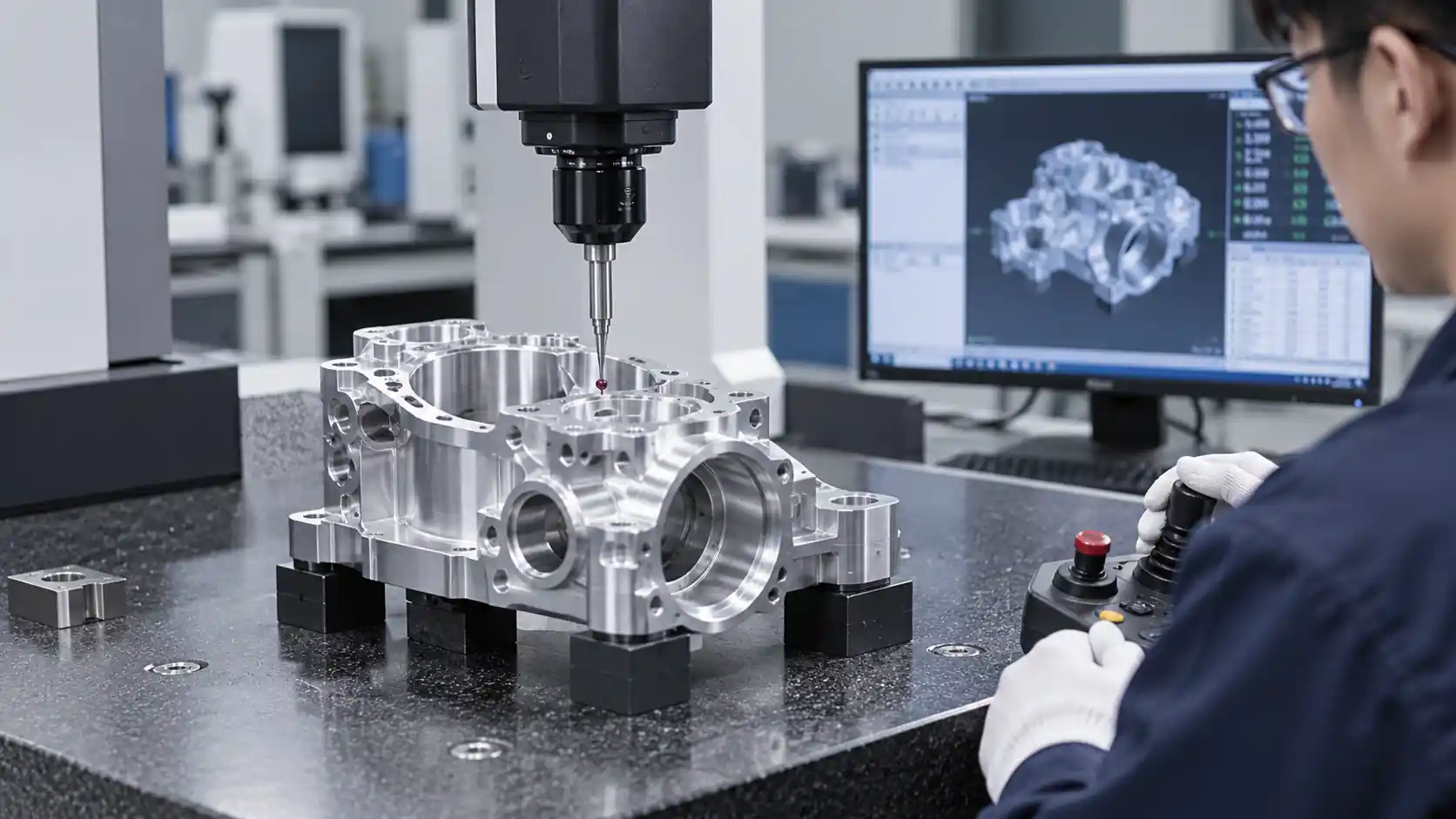
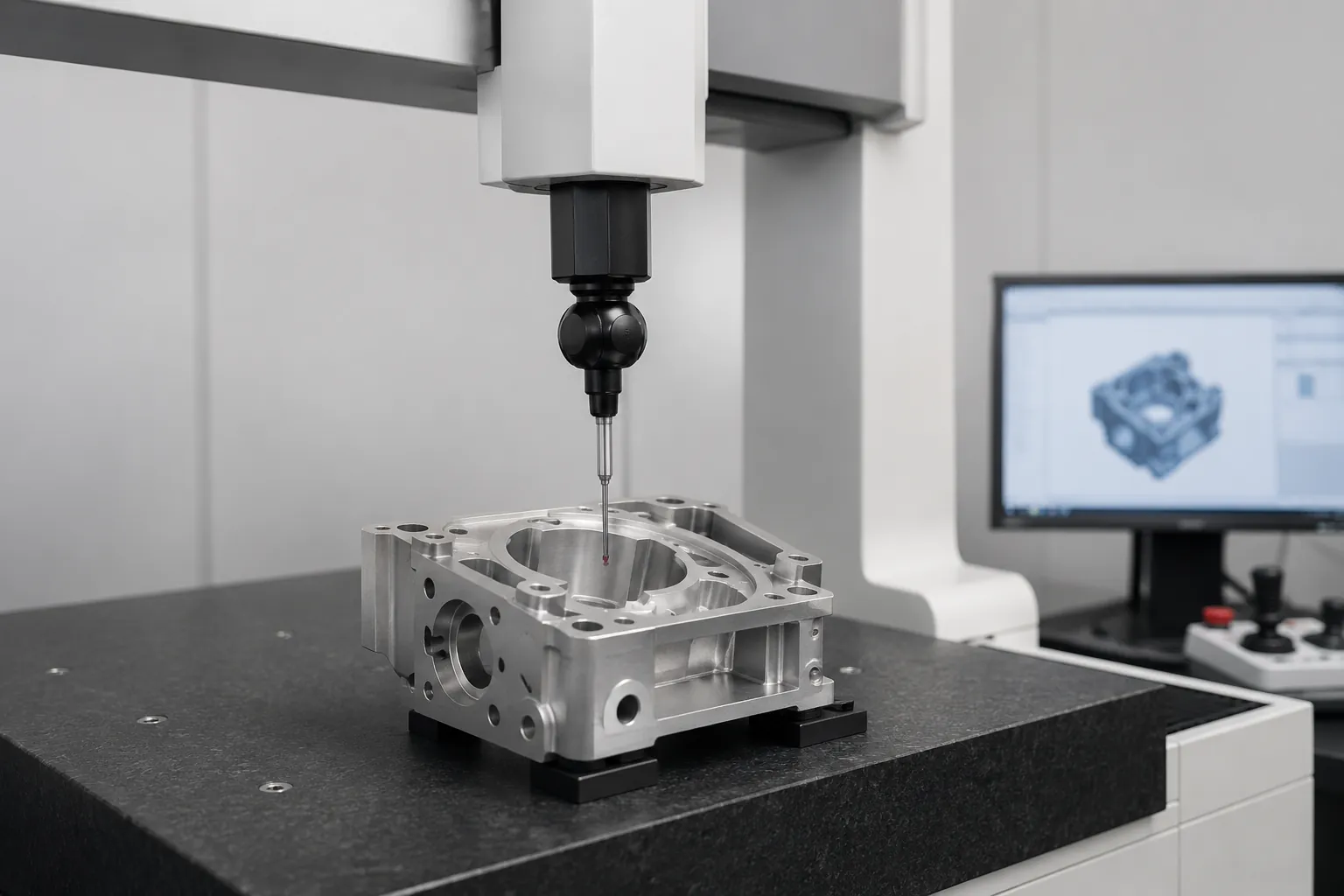
• Advanced CMM Inspection
• Material Certifications
• 100% Quality Control
We serve clients worldwide with competitive pricing, fast turnaround times, and exceptional customer service.
Our expertise in precision machining spans multiple industries, delivering high-quality components with advanced technology and strict quality control standards.
Custom CNC Turning Services | Extreme 5μm Tolerance | Diverse Material Support | Flexible Production | Efficient Delivery | ISO 9001 Quality Certified
Custom CNC Milling Services | Extreme 5μm Tolerance | Extreme Processing Freedom | Superior Surface Finish | Extensive Material Compatibility | ISO 9001 Quality Certified
Advanced 5-Axis Machining Services | Extreme 5μm Tolerance | Complex Component Manufacturing | For Challenging Geometries | ISO 9001 Quality Certified | Delivery within 7-10 working days
Custom Precision Machining Services | Extreme 5μm Tolerance | Diverse Material Support | Flexible Production Capability | Efficient Delivery | ISO 9001 Quality Certified
This article compares riveting and welding across key engineering factors such as material compatibility, joint strength, weight, sealing performance, cost, and maintenance. It explains when each method is more suitable in real projects so you can choose the right joining process for your design.
Black anodized aluminum is a widely used surface finish for CNC-machined parts, combining a controlled aluminum oxide layer with black dye and sealing to improve durability and appearance. This article explains how black anodizing works, outlines its main advantages in wear resistance, corrosion protection, thermal emissivity, and light absorption, and clarifies important limitations related to UV exposure, chemical stability, temperature, and electrical insulation. It also discusses suitable aluminum alloys, process materials, and key design considerations such as dimensional growth, tolerance control, and batch color consistency. Typical applications and a comparison with black powder coating are provided to help engineers select an appropriate finishing process for their components.
Angle milling is a specialized milling method in which the tool cuts at a non-orthogonal angle to the workpiece surface, enabling precise inclined planes, dovetail guides, draft angles and other functional geometries. The article explains why designers use angle milling, how it is executed through workpiece tilting, spindle tilting or form cutters, and what types of angle cutters are available. It also reviews suitable materials, typical applications in machine tools, molds and aerospace parts, and the main advantages and limitations compared with conventional milling.
This guide explains the geometry, symbols, and applications of ten common hole types in machining, and shows how to choose the right hole based on function, assembly, and manufacturing cost.
This article provides a systematic analysis of the core logic and practical standards in modern thread machining. From the precision control of critical parameters like pitch and pitch diameter to the strategic trade-offs between mainstream processes—including turning, milling, and tapping—it offers comprehensive coverage of technical essentials from R&D design to shop-floor production. By integrating optimized machining strategies with Design for Manufacturing (DFM) principles, this guide aims to enhance the reliability and manufacturing efficiency of threaded connections under complex operating conditions.
Choosing the right production process is often more critical than the design itself. This article provides a deep-dive comparison between the core logics of Additive Manufacturing (3D Printing) and Subtractive Manufacturing (CNC Machining). By analyzing key metrics such as tolerances, material utilization, geometric complexity, and scaling costs, we provide a clear framework to help engineers find the optimal balance between creative freedom and industrial precision.
Undercuts are highly challenging geometric features in precision machining, characterized by recessed areas that are "hidden" from the direct path of standard cutting tools. This article explores common undercut types—from T-slots to dovetails—and analyzes the core technical hurdles regarding tool rigidity, chip evacuation, and inspection. By implementing Design for Manufacturing (DFM) strategies, such as aligning with standard tool sizes and controlling depth-to-width ratios, engineers can maintain part functionality while significantly reducing the costs associated with these complex details.
This article provides an in-depth analysis of the fundamental differences between Roughing and Finishing in CNC machining, while highlighting the critical role of Semi-Finishing in achieving a smooth process transition. By comparing process objectives, cutting parameters, and tooling strategies, it offers professional insights into managing material removal efficiency versus dimensional precision. Furthermore, the guide covers essential technical precautions—such as preventing over-cutting, maintaining allowance uniformity, and optimizing chip evacuation—to help manufacturers enhance production yield and optimize overall machining workflows.
This article provides an in-depth analysis of the core differences between Grade 304 and Grade 316, the two most prevalent austenitic stainless steels. Although they are visually identical, they differ fundamentally in chemical composition, pitting resistance, and cost. By comparing how the addition of Molybdenum (Mo) enhances corrosion longevity, this guide details their typical applications in kitchenware, marine engineering, chemical processing, and medical devices. Finally, it offers a scientific decision-making framework for material selection across various environments, helping you ensure project reliability while achieving optimal cost control.
This article provides a systematic overview of mainstream milling operations in modern subtractive manufacturing. By analyzing cutting mechanisms and application scenarios, it explores essential techniques ranging from foundational surface finishing to advanced CAM-optimized strategies. It serves as a technical reference for engineers to optimize process planning and balance precision with production efficiency.
This article analyzes side milling as a high-rigidity solution for deep-slot and profile machining. It details the horizontal arbor principle, identifies critical quality variables—specifically arbor sag, radial runout, and chip clearance—and evaluates the selection of plain, staggered, and half-side cutters for optimized performance.
Aluminum does not form red rust like steel, but it can still corrode under certain environmental and assembly conditions. This article explains how aluminum corrosion differs from iron rust, highlights common corrosion forms seen in CNC-machined aluminum parts, and outlines key factors that influence long-term reliability in practical applications.