

Aluminum alloys are the backbone of modern CNC machining and engineering. Whether you are designing aerospace components, automotive enclosures, or custom robotic parts, aluminum offers an unmatched balance of high strength-to-weight ratio, excellent machinability, and natural corrosion resistance.
This guide provides a comprehensive technical overview of aluminum alloys, from alloying science to practical selection strategies for machining projects.
What Is Aluminum Alloy?
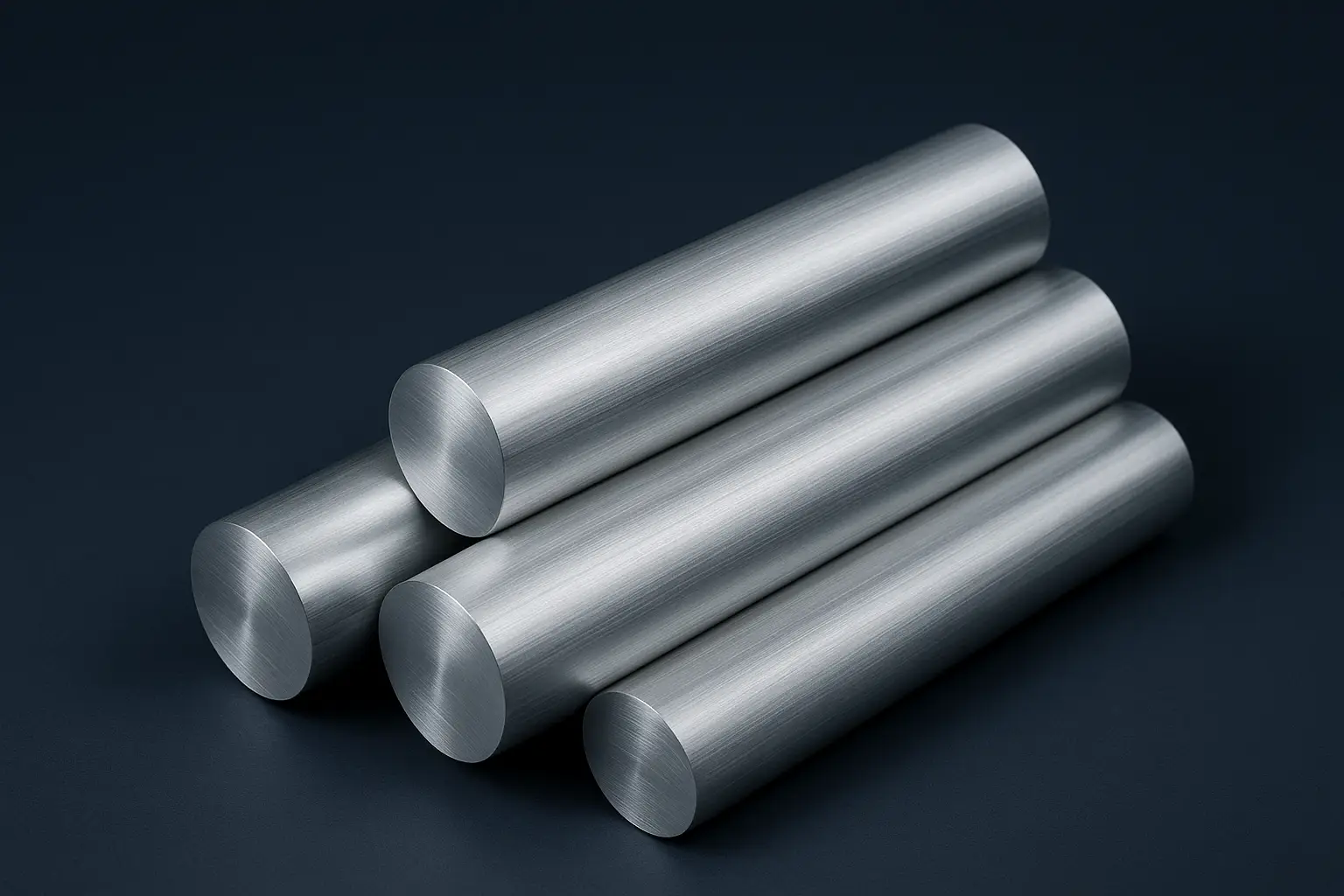
An Aluminum Alloy is a metallic substance where Aluminum (Al) acts as the base matrix (usually 85%–99%), combined with other elements to enhance its physical and mechanical properties.
Pure aluminum is soft, ductile, and lacks the structural strength required for most industrial applications. By introducing specific alloying elements, engineers can drastically manipulate the metal’s behavior. This process transforms a soft conductive metal into a material that can be as strong as steel (like 7075) or as formable as paper (like annealed foil).
How Alloying Elements Affect Properties
The performance of a specific grade is dictated by its “recipe.” Understanding the role of each primary alloying element helps in predicting how a material will behave during machining and use:
- Magnesium (Mg): Increases tensile strength and improves resistance to seawater corrosion. It also enhances weldability (Key in 5xxx series).
- Silicon (Si): Lowers the melting point and increases fluidity, making it essential for casting alloys. In wrought alloys, it combines with Magnesium to form Mg2Si, enabling heat treatment strengthening (Key in 6xxx & 4xxx series).
- Zinc (Zn): The most potent strengthening element. When combined with Magnesium and Copper, it creates alloys with the highest strength and hardness available (Key in 7xxx series).
- Copper (Cu): Significantly boosts strength and hardness while improving machinability. However, it negatively impacts corrosion resistance and weldability (Key in 2xxx series).
- Manganese (Mn): Increases strength through solution hardening without sacrificing ductility or corrosion resistance (Key in 3xxx series).
Physical & Chemical Properties
To effectively select an aluminum alloy for your application, it is crucial to understand the baseline characteristics that define this material family.
Physical Properties
The physical attributes of aluminum drive its dominance in lightweight engineering and thermal management applications.
- Low Density: Aluminum has a density of approximately 2.7 g/cm³, which is roughly one-third that of steel (7.8 g/cm³). This excellent strength-to-weight ratio makes aluminum a primary choice for weight reduction in aerospace and automotive designs.
- High Thermal Conductivity: Aluminum is an excellent conductor of heat, making it the industry standard for heat sinks, engine cooling components, and electronic enclosures where heat dissipation is critical.
- Electrical Conductivity: On a weight basis, aluminum conducts electricity better than copper. This property is extensively used in high-voltage power transmission lines and busbars.
- Non-Magnetic: Unlike steel, aluminum is non-magnetic. This makes it an ideal material for protecting sensitive electronic circuits and manufacturing shielded housings for antennas or radar equipment.
Chemical Properties
Understanding the chemical behavior of aluminum is vital for predicting its longevity in harsh environments and determining suitable finishing processes.
Anodizing Suitability: The natural oxide layer can be electrochemically thickened through Anodizing. This not only enhances corrosion resistance and surface hardness but also allows the surface to absorb dyes for permanent coloring.
Natural Corrosion Resistance: When exposed to oxygen, aluminum instantly forms a microscopic, self-healing layer of Aluminum Oxide (Al2O3).
This hard barrier seals the core metal from the environment, preventing the flaking rust typical of iron-based metals.
Chemical Reactivity (Amphoteric): Aluminum is chemically amphoteric, meaning it reacts with both strong acids and strong alkalis. In CNC machining, it is critical to monitor coolant pH levels (keeping them neutral to slightly alkaline) to prevent chemical pitting.
Types of Aluminum Alloys
Wrought aluminum alloys are categorized into seven main series based on their primary alloying elements.
| Series | Main Element | Key Characteristics | Typical Applications |
| 1xxx | Pure Al (99% min) | Excellent corrosion resistance & conductivity. Low strength. | Electrical busbars, chemical tanks. | |
| 2xxx | Copper | High strength, high fatigue resistance. Poor corrosion resistance. | Aerospace structures, truck wheels. |
| 3xxx | Manganese | Moderate strength, great workability. General purpose. | Beverage cans, cooking utensils. |
| 4xxx | Silicon | Low melting point. | Welding wire, brazing sheets. |
| 5xxx | Magnesium | Good strength, excellent marine corrosion resistance. | Boat hulls, pressure vessels. |
| 6xxx | Mg + Si | Structural standard. Good strength, machining, & anodizing. | 6061 parts, architectural extrusions. |
| 7xxx | Zinc | Highest strength. Hard but expensive. | Aircraft parts, high-stress gears. |
Common Aluminum Grades & Their Uses
In the CNC machining world, nearly 90% of projects rely on just a few specific grades. We have categorized them into three groups to help you make a quick selection.
General Purpose & Structural Alloys (6xxx Series)
This is the most versatile alloy series, striking a perfect balance between strength, weldability, and corrosion resistance.
- 6061-T6 (“The Jack of All Trades”): The absolute standard for the CNC machining industry. It features excellent corrosion resistance, good weldability, and superb cosmetic results after anodizing. It is widely used for custom machine parts, electronic brackets, and automation frames.
- 6082 (“The European Structural Standard”): Very similar in performance to 6061 but with slightly higher manganese content, resulting in superior tensile strength. It is the preferred alloy in the UK and European markets to replace 6061, commonly found in heavy-duty trusses and crane booms.
High-Strength Aerospace Alloys (7xxx & 2xxx Series)
When strength takes priority over cost or corrosion resistance, these alloys are the industry standard.
- 7075-T651 (“The Aerospace Choice”): With zinc as the primary alloying element, its yield strength rivals many structural steels. Although expensive and difficult to weld, it is the best choice for high-stress aircraft components, rock climbing gear, and injection mold tools.
- 2024 (“The Fatigue Fighter”): A copper-based alloy known for exceptional fatigue resistance. Although it has poor corrosion resistance (often requiring Alclad), it is the workhorse material for aircraft skins, wing structures, and high-tension fasteners.
Sheet Metal & Marine Alloys (5xxx Series)
These alloys are engineered for formability and harsh environment resistance, rather than complex milling.
- 5052 (“The Sheet Metal Standard”): Possesses the best resistance to salt spray corrosion and superior bending/stamping formability. Due to its softer nature and tendency to be “gummy” during cutting, it is rarely used for milling but is the top choice for marine enclosures, stamped panels, and fuel tanks.
Advantages of Aluminum Alloys
Why does aluminum dominate the CNC machining market? It offers a unique convergence of manufacturing efficiency and functional performance that few other metals can match.
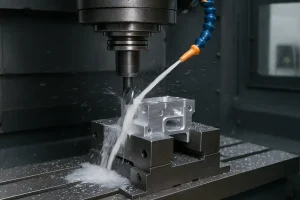
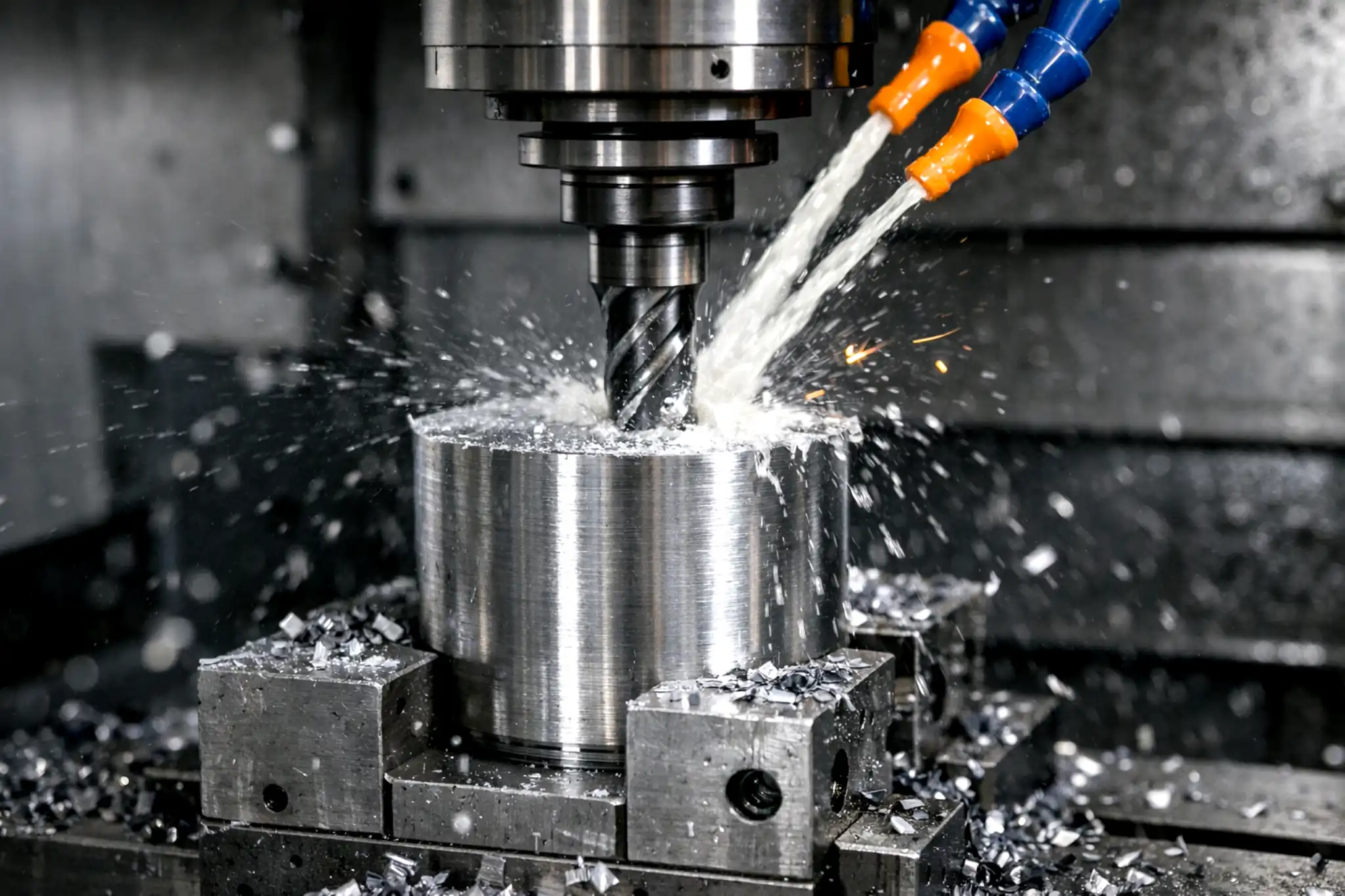
- Exceptional Machinability & Cost Efficiency: Aluminum is often the benchmark for machinability. Its chips break easily and evacuate smoothly, allowing machinists to run high spindle speeds and aggressive feed rates. This directly translates to reduced cycle times and lower part costs compared to steel or titanium.
- High Strength-to-Weight Ratio: With a density of only 2.7 g/cm³, aluminum allows engineers to design robust components that are significantly lighter than their steel counterparts. High-strength grades like 7075-T6 can even match the strength of structural steel while weighing two-thirds less.
- Natural Corrosion Resistance: In standard atmospheric conditions, aluminum forms a protective oxide layer that prevents rust. This makes it a “maintenance-free” material for many applications, eliminating the immediate need for painting or plating that carbon steel requires.
- Sustainability & Recyclability: Aluminum is 100% recyclable without any loss of properties. The energy required to recycle aluminum is only 5% of that required for primary production, making it a highly attractive material for companies focusing on sustainability and carbon footprint reduction.
Limitations of Aluminum Alloys
Despite its versatility, aluminum is not the solution for every engineering challenge. Understanding its physical limitations is crucial to preventing structural failure.
- Thermal Performance Decay: Unlike steel, aluminum loses strength rapidly at elevated temperatures. Above 150°C (300°F), its tensile strength drops significantly. For high-temperature applications—such as exhaust manifolds or jet engine combustion sections—steel, titanium, or nickel superalloys are necessary.
- Lower Modulus of Elasticity (Stiffness): The Young’s Modulus of aluminum (approx. 70 GPa) is roughly one-third that of steel (200 GPa). This means that under the same load, an aluminum part will deflect or bend three times as much as an identical steel part. To compensate, aluminum components often require thicker cross-sections or ribbing to achieve the same rigidity.
- No Fatigue Limit: Ferrous metals (steel) have an endurance limit—a stress level below which they will theoretically never fail from fatigue. Aluminum does not. Regardless of how low the stress is, if the cycle count is high enough, aluminum will eventually fail due to fatigue. This is a critical design consideration for aircraft and rotating machinery components.
- Surface Hardness & Wear: Aluminum is relatively soft. Without surface treatments like Hard Anodizing (Type III), it is prone to scratching, galling, and adhesive wear, especially in sliding friction applications.
How to Choose the Right Alloy?
Selecting the correct aluminum grade is not just about picking a metal; it is about making a precise engineering trade-off between mechanical strength, manufacturing cost, and environmental resistance. The following guide will help you lock in the best material based on your specific design goals.
General Purpose & Cost Efficiency
For the vast majority of non-critical structural components, 6061-T6 is the undisputed industry standard. It offers the perfect equilibrium of strength, raw material cost, and machining efficiency. Unless you have extremely specific performance requirements, 6061 covers 80% of CNC machining needs with the widest stock availability and lowest procurement cost.
Maximum Strength (Steel Replacement)
When a part must withstand extreme tension or heavy loads while remaining lightweight (such as aerospace ribs, high-performance gears, or drive shafts), 7075-T6 is the ideal choice. Its yield strength rivals many structural steels, yet it weighs only one-third as much. Choosing 7075 allows for ultimate lightweighting, provided the budget can accommodate its higher material cost.
Corrosion Resistance (Marine & Chemical)
In saltwater or chemically corrosive environments, 5052 is the primary choice for sheet metal and enclosure parts due to its natural resistance. For parts requiring complex CNC milling, we recommend 6061 combined with Type III Hard Anodizing. In these settings, strictly avoid 2024 or 7075, as their high copper and zinc content makes them highly susceptible to rapid oxidation and pitting.
Weldability Requirements
If your assembly requires TIG or MIG welding, 6061 and 5052 both exhibit excellent weldability. Warning: Never specify 7075 or 2024 for welded assemblies. These high-strength alloys are prone to micro-cracking in the Heat Affected Zone (HAZ), leading to severe risk of structural failure.
Cosmetic Appearance & Anodizing
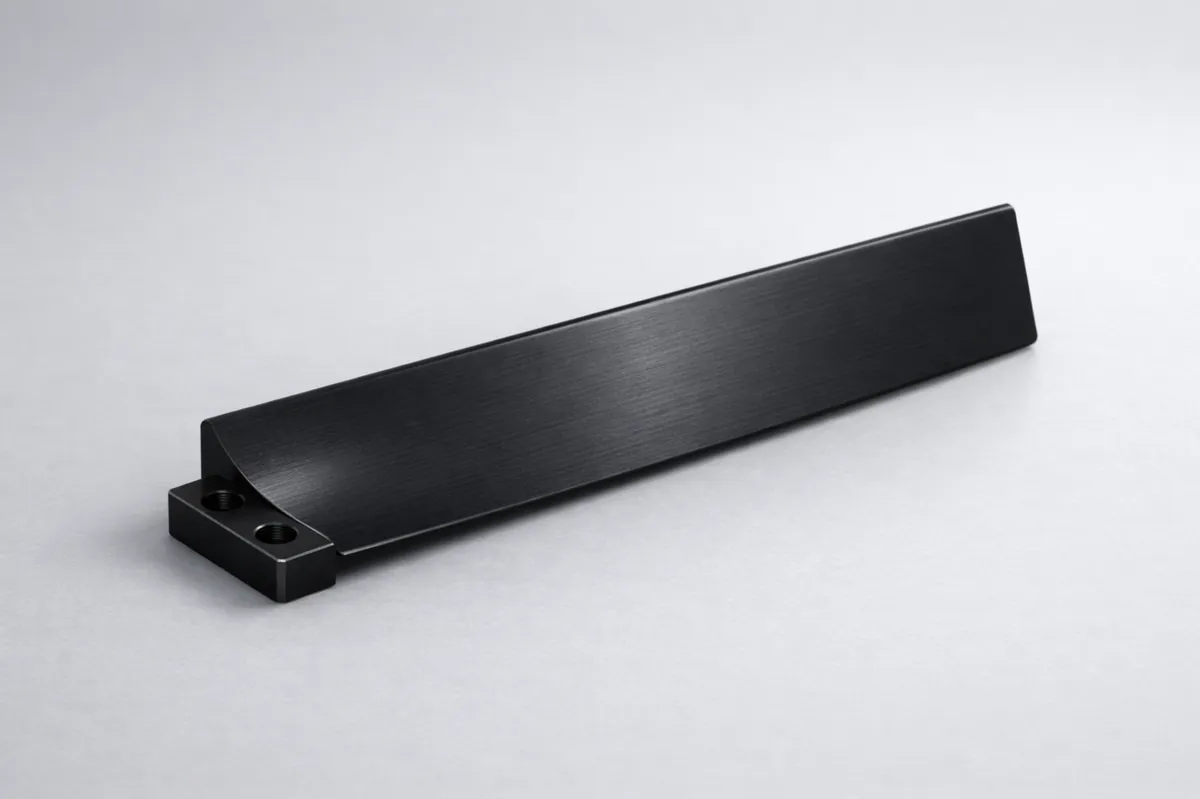
For consumer electronics or decorative parts requiring high-quality coloring, 6063 is the superior option. Its fine grain structure ensures a uniform, vibrant finish after anodizing. 6061 also produces very good results. In contrast, 7075 often results in an unstable yellowish or dull tint after anodizing, making it difficult to guarantee color consistency across batches.
Dimensional Stability (Precision Fixtures)
For large inspection fixtures, base plates, or optical breadboards, MIC-6 (Cast Tooling Plate) is superior to any wrought alloy (like 6061). Because MIC-6 is cast and fully stress-relieved, it contains almost no residual internal stress. This means the part will not warp, bow, or twist even after significant material removal, ensuring micron-level flatness.
Typical Industry Applications
Different industries rely on specific aluminum series to meet unique regulatory and performance standards. Here is how aluminum is utilized across key sectors.
Aerospace & Aviation
In aerospace, the strength-to-weight ratio is the defining metric. Engineers predominantly rely on 7075-T6 and 2024-T4. 7075 is used for critical load-bearing structures like wing ribs and fuselage frames that must survive high G-forces. 2024 is often chosen for tension members and aircraft skins due to its superior fatigue resistance, though it usually requires a protective cladding to prevent corrosion.
Automotive & EV
The automotive sector is driven by lightweighting to improve fuel economy and EV range. 6061 is extensively used for chassis extrusions and crash energy absorption systems due to its high formability. For complex geometries like engine blocks and transmission housings, cast aluminum alloys (such as A380) are the standard, while 5083 sheet is common for body panels requiring high corrosion resistance.
Electronics & Consumer Technology
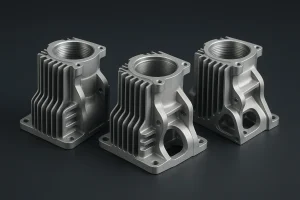
For devices like smartphones, laptops, and LED systems, thermal conductivity and aesthetics are paramount. 6063 is the top choice for heat sinks because it dissipates heat efficiently and can be extruded into complex fin shapes. Additionally, 6063 and 6061 are preferred for external enclosures because they accept anodizing exceptionally well, allowing for the premium, colorful finishes seen on high-end consumer electronics.
Industrial Automation & Robotics
In the world of custom automation, dimensional stability and machinability are key. 6061-T6 is the workhorse for robot arms and structural brackets. However, for high-precision optical breadboards or inspection jigs, engineers often switch to MIC-6 (Cast Tooling Plate). Unlike extruded alloys, cast plate is free of internal stresses, ensuring the part remains perfectly flat even after removing significant amounts of material.
FAQs
Q: Do aluminum alloys rust?
A: Aluminum does not produce red iron-oxide rust. Instead, its surface forms a thin, stable, self-healing aluminum oxide layer. In aggressive environments such as salt spray or strong alkaline exposure, aluminum may show pitting or white-powder corrosion if not properly protected.
Q: Are aluminum alloys suitable for high-precision machining?
A: Yes. Most wrought aluminum alloys have low internal stress, good thermal conductivity, and predictable cutting behavior. Stress-relieved plates allow aluminum to maintain dimensional accuracy during heavy machining.
Q: Can aluminum alloys be welded easily?
A: Many aluminum alloys—especially those alloyed with magnesium—are highly weldable. Alloys rich in copper or zinc are more susceptible to hot cracking and may require alternative joining methods or design modifications.
Q: Are aluminum parts durable in outdoor or marine environments?
A: Aluminum naturally resists corrosion due to its oxide film. For long-term exposure to humidity, saltwater, or industrial chemicals, anodizing or chromate conversion coating is recommended to improve durability.
Q: Why does aluminum respond well to anodizing?
A: Aluminum’s natural oxide layer can be electrochemically thickened during anodizing. This enhances wear resistance, dye absorption, and corrosion protection—performance characteristics difficult to replicate with steel or copper.
Conclusion
Selecting the right aluminum alloy is a balance of mechanical requirements, environmental factors, and manufacturing costs. While 6061 serves as the perfect default for most machining projects, high-performance applications may demand the strength of 7075 or the durability of 5052.
Understanding these nuances ensures that your parts not only function as intended but are also manufactured efficiently. At Machining Minghe, we specialize in processing a wide range of aluminum alloys to meet strict aerospace and industrial standards.