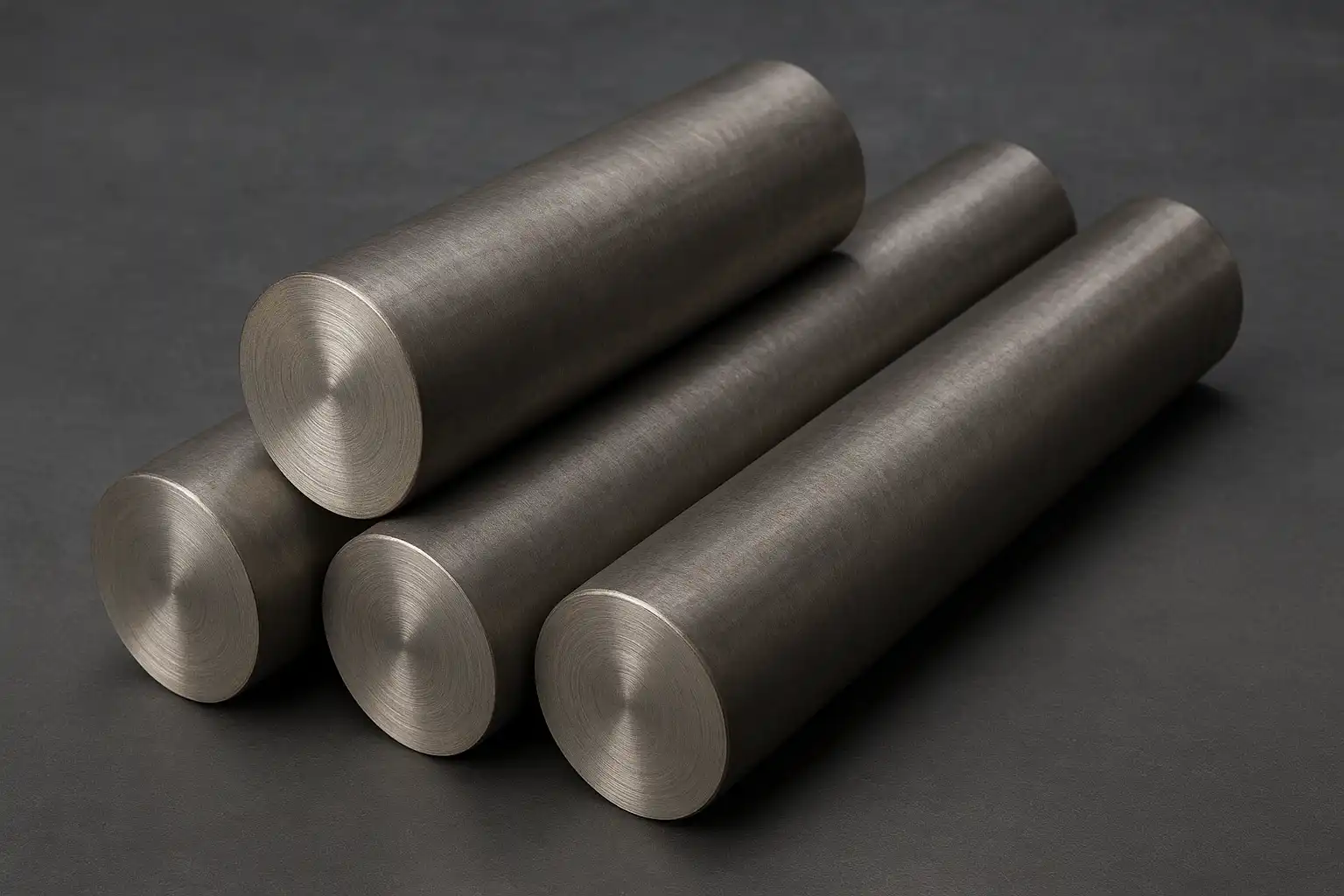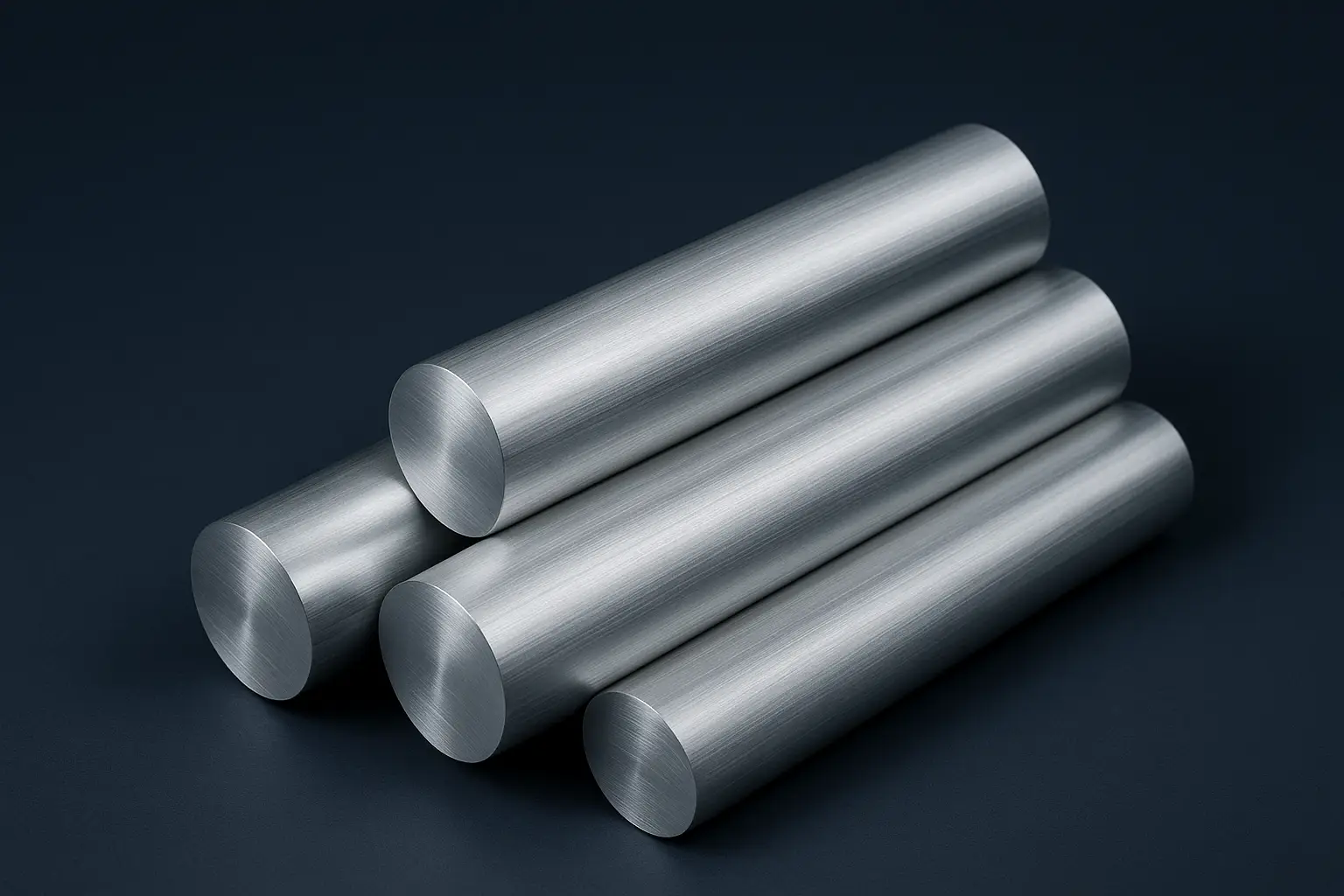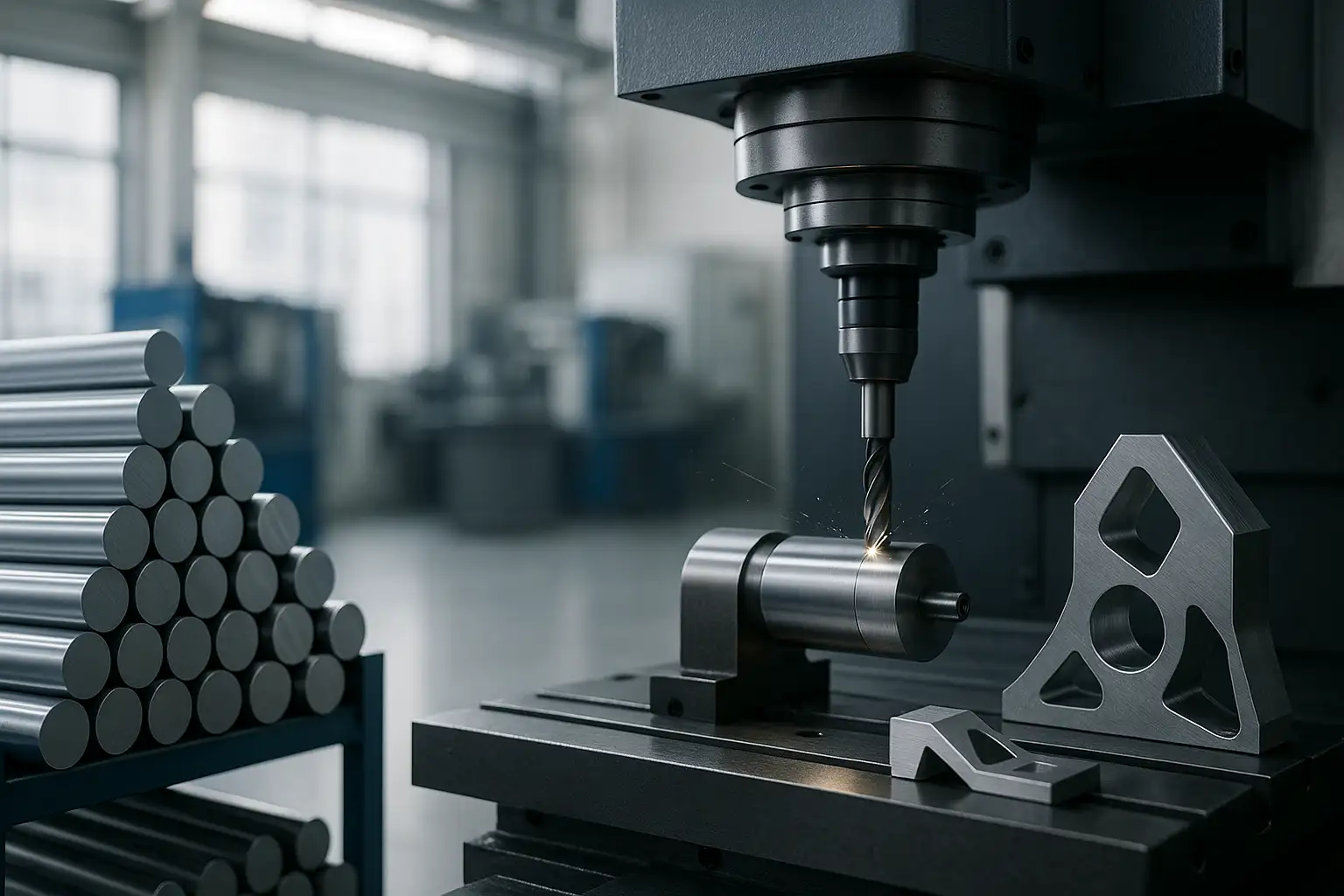

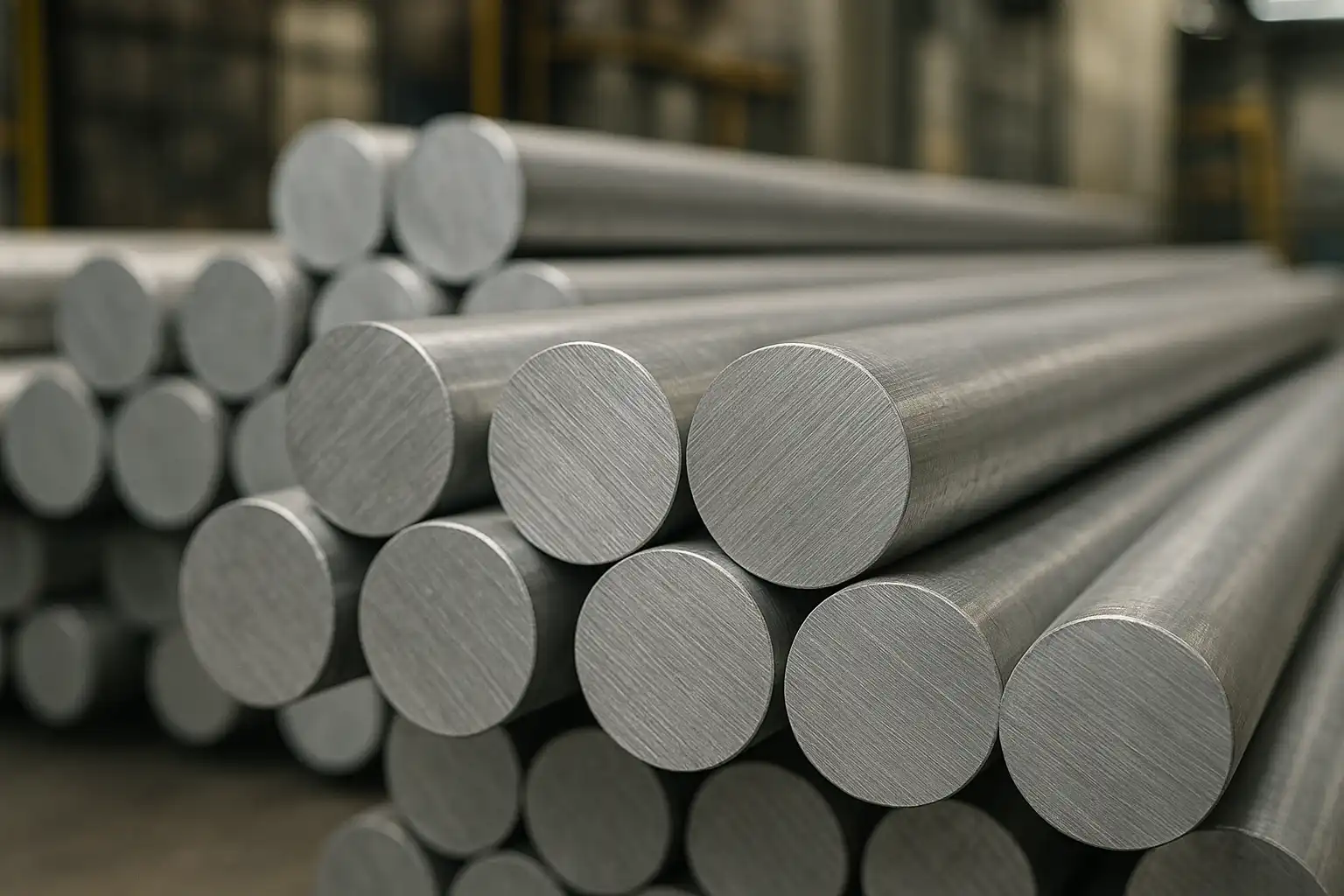
Stack of industrial aluminum alloy round bars ready for CNC machining
Aluminum Alloys: Types, Properties & Selection Guide

This guide provides a clear technical overview of aluminum alloys—their composition, series classification, properties, machinability, and common grades such as 6061, 7075, and 5052. It helps engineers select the most suitable alloy by balancing strength, weight, corrosion resistance, machinability, and manufacturing cost for CNC parts and industrial applications.

Read article
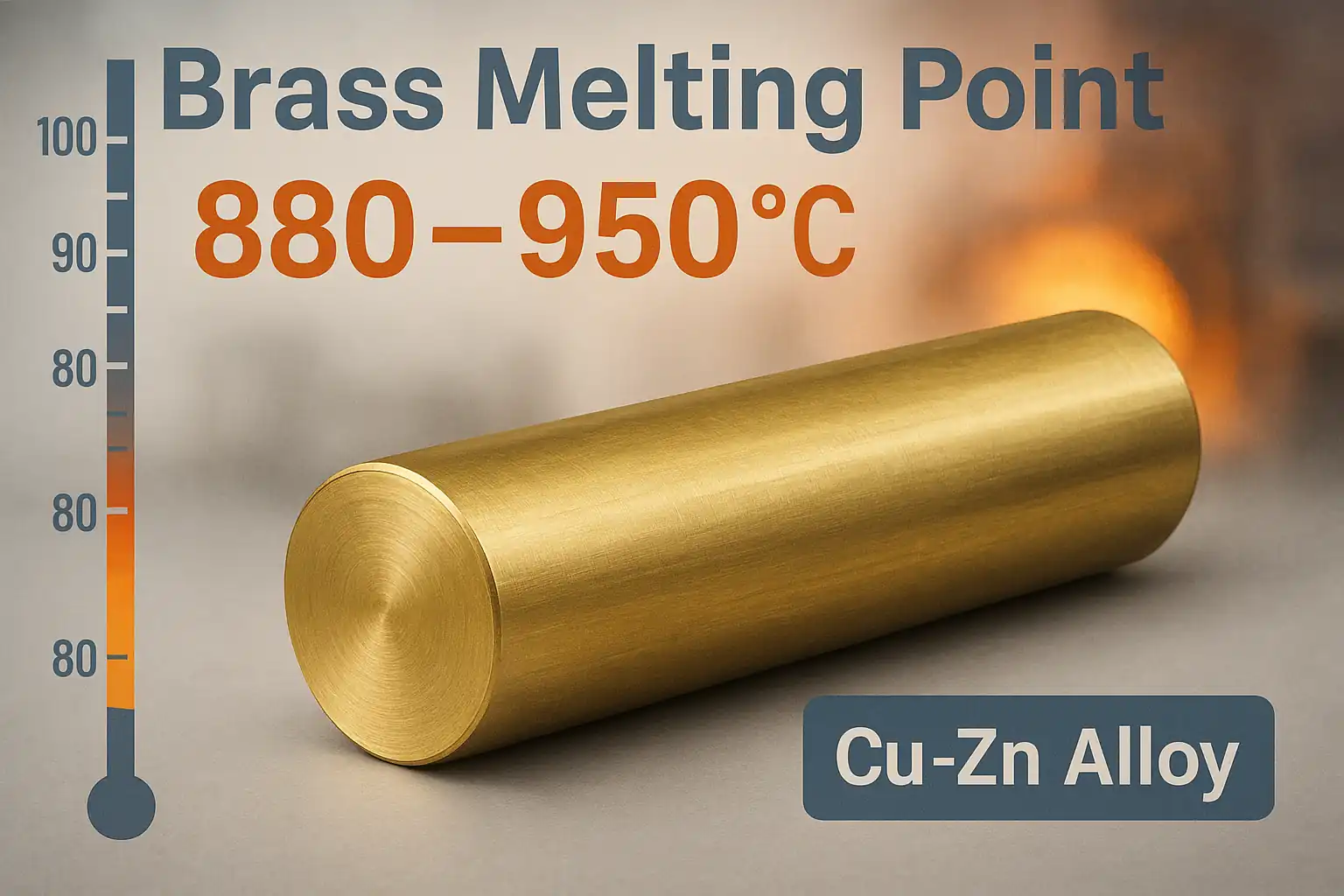
Illustration showing a brass rod and its melting point range of 880-950°C (Cu-Zn Alloy)
What Is the Melting Point of Brass?

Brass does not melt at a single point; instead, it transitions across a range of 880°C–950°C, depending on alloy composition and microstructure. This melting range influences casting temperature control, zinc evaporation, density, and machining thermal behavior, making it a key factor in selecting brass for pressure-retaining, sealing, thermal, and high-volume machining applications. Controlled heating, protective flux, and proper refining significantly improve part quality and manufacturing economics.

Read article
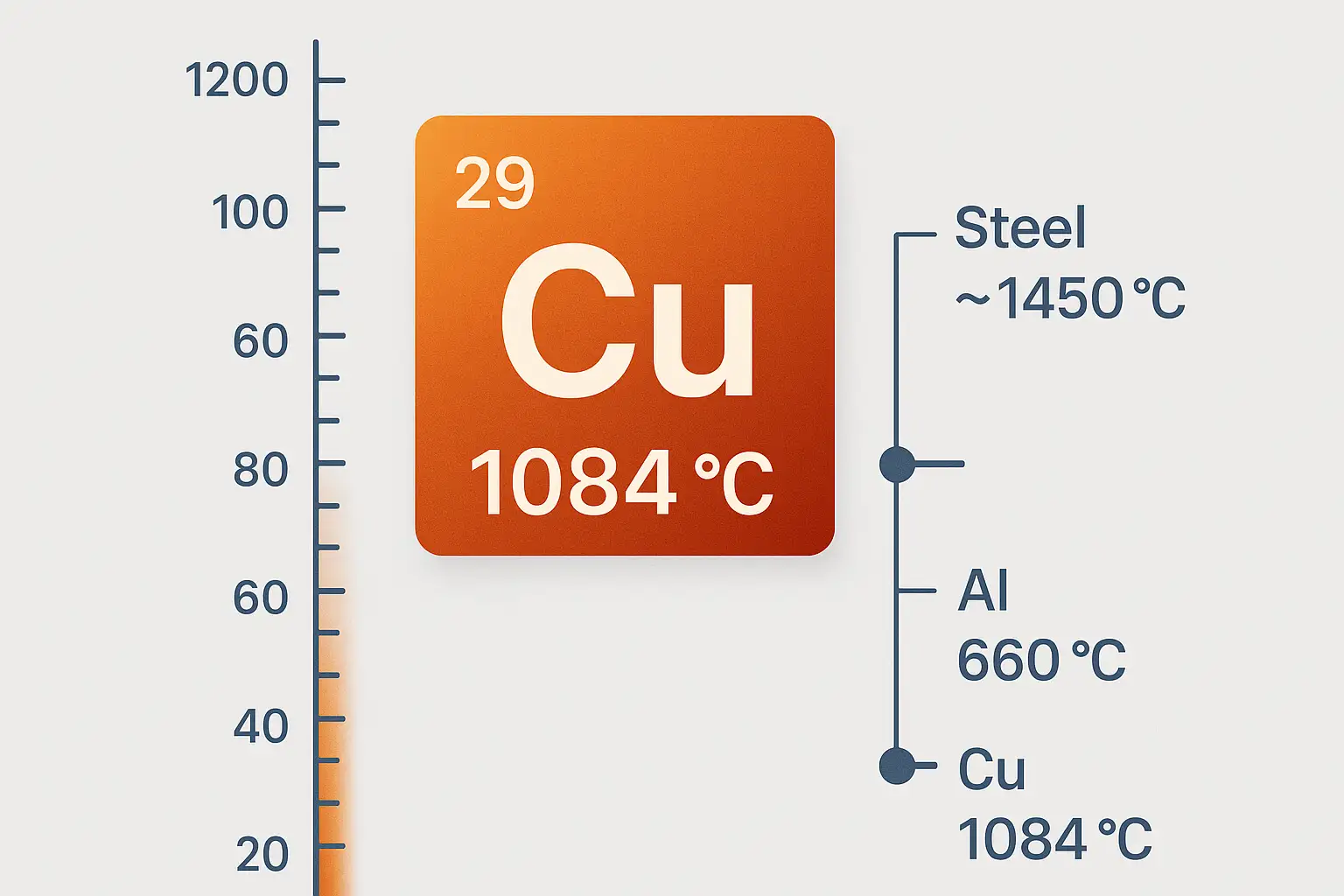
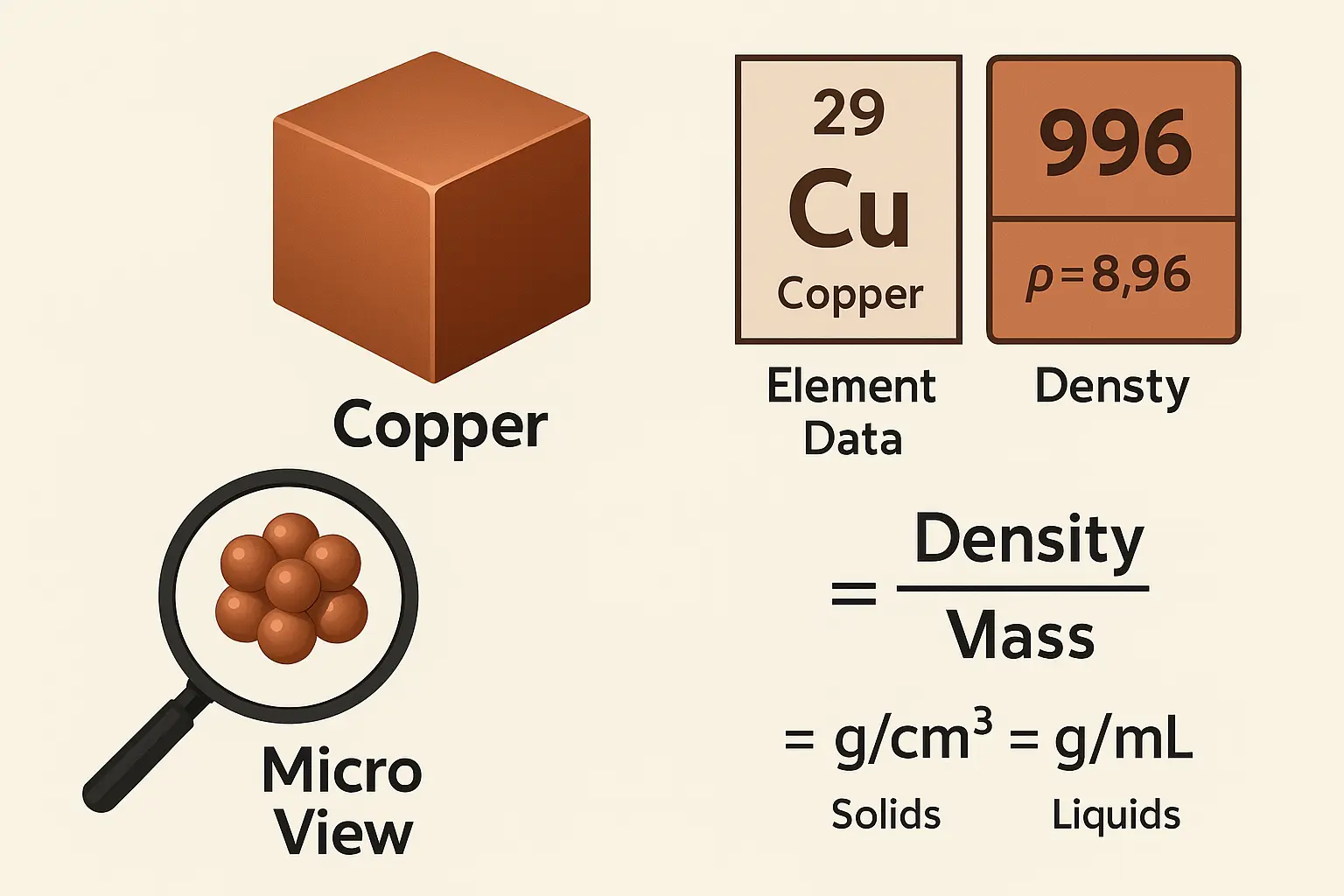
Illustration showing pure copper and its density value for material reference.
What is the Density of Copper? Full Guide to Pure Metal and Alloys

Copper has a density of about 8.96 g/cm³, which is considered moderately high and contributes to its strength, durability, and excellent electrical and thermal conductivity. The density of copper alloys varies depending on added elements: brass (Cu+Zn) is slightly lighter, bronze (Cu+Sn/Al/Ni) can range widely, and cupronickel (Cu+Ni) is often close to or slightly higher than pure copper. Understanding copper density is essential for material selection, weight calculations, and engineering design.

Read article
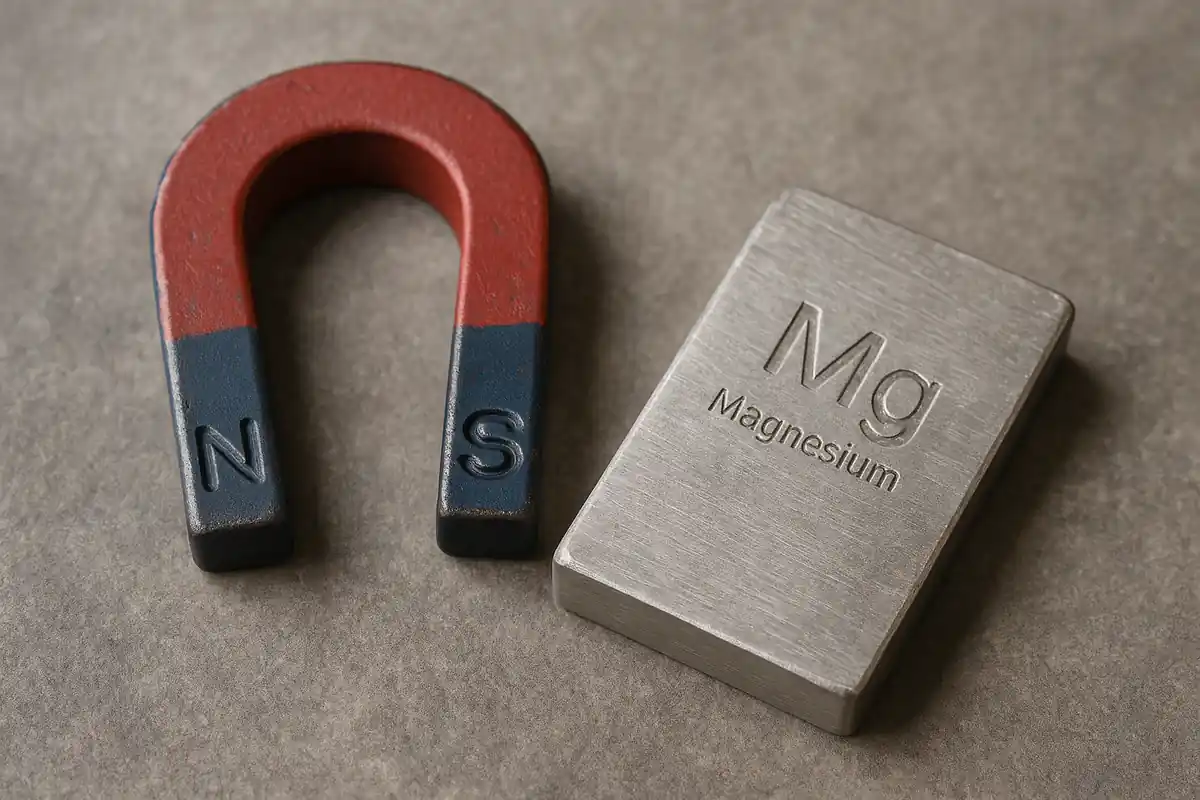
Magnesium block next to a horseshoe magnet, illustrating magnesium's non-magnetic property.
Is Magnesium Magnetic?

Magnesium, an extremely lightweight metal, is fundamentally diamagnetic and does not exhibit attraction to magnets. This crucial characteristic—combined with its strength-to-weight ratio—makes it an essential "magnetic neutral" material. It is favored in advanced fields like MRI equipment (where it minimizes image artifacts), aerospace avionics, and high-precision sensors, ensuring minimal interference and reliable performance in strong magnetic environments.

Read article
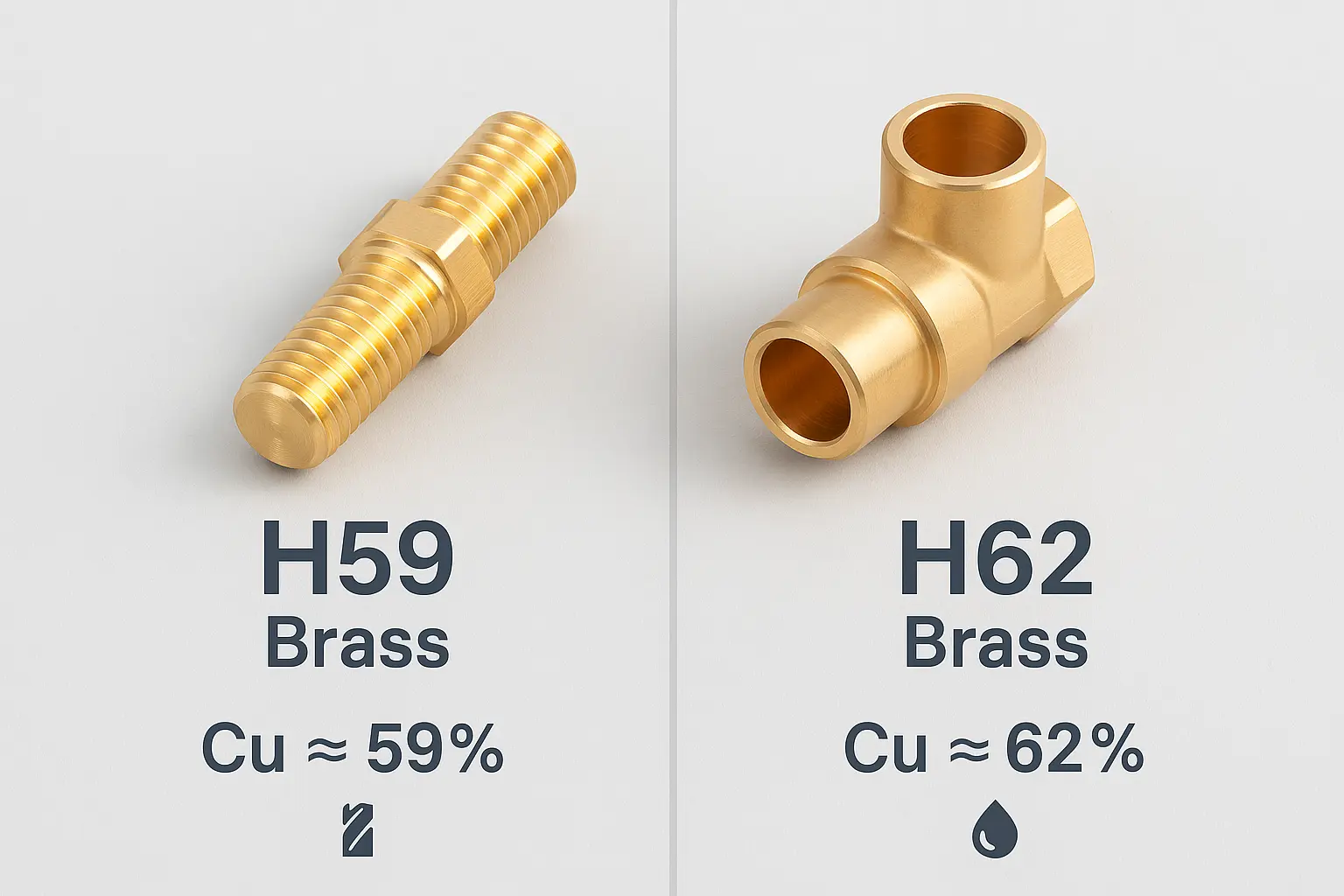
Comparison of H59 and H62 brass showing copper content and typical CNC machined fittings.
H59 vs H62 Brass – Which Is Better for CNC Machining?

When specifying brass for CNC machining, engineers must choose between H59 and H62—two widely used Chinese grades (GB/T 5231). The choice significantly affects machinability, corrosion resistance, and cost. Since direct "international equivalents" are unreliable due to variations in lead and alloying additions, this guide provides an essential, engineering-focused comparison to help you specify the right material based on composition, chip formation, and application needs.

Read article
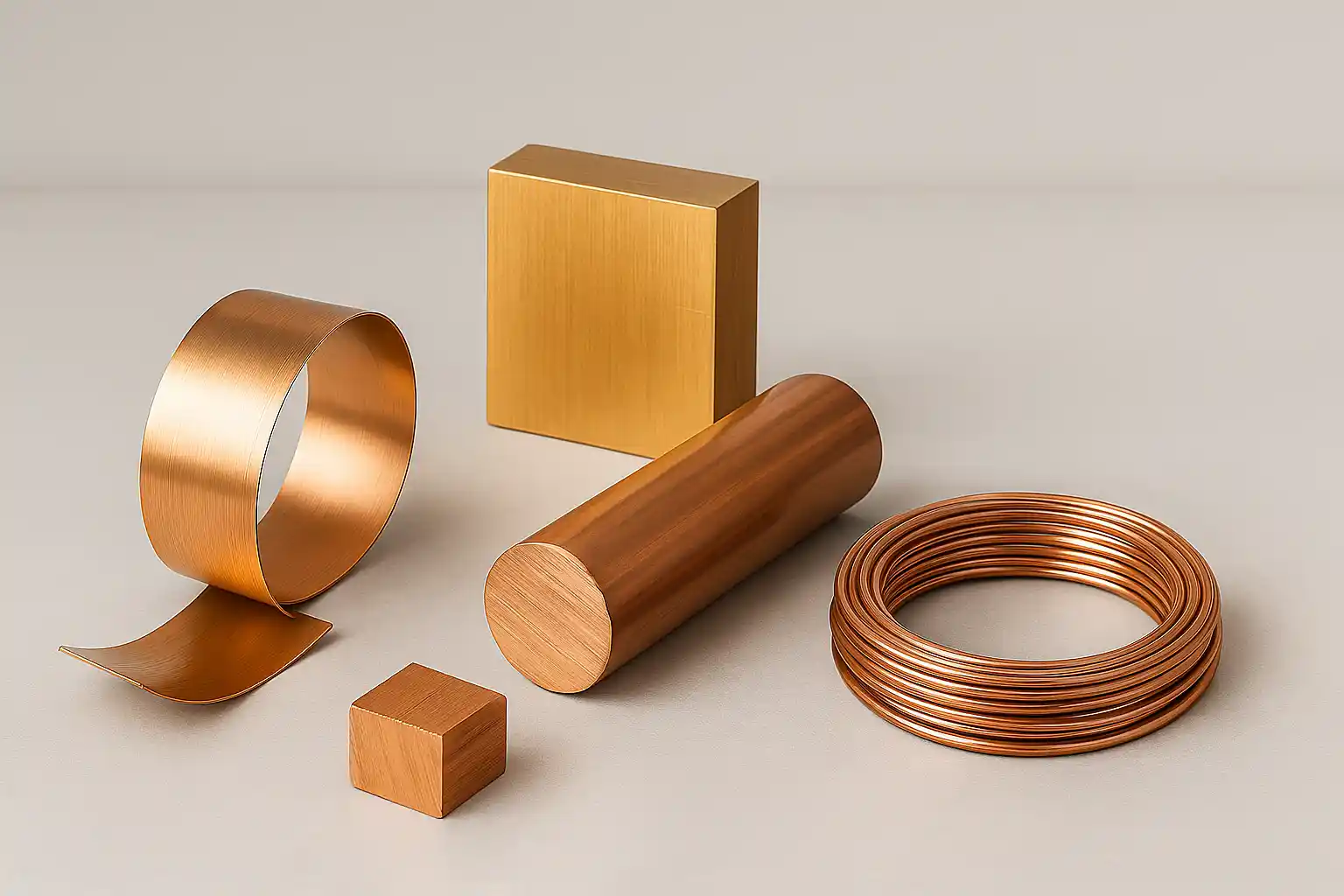
Copper alloy basic industrial forms, including rod, flat stock, strip, coil, and tube, showcasing material versatility.
What Is Copper: Definition, Characteristics, and Types

Copper is a fundamental industrial metal known for its excellent electrical and thermal conductivity, corrosion resistance, and machinability. This guide explains what copper is, its composition and characteristics, how it’s produced, the main types and alloys, and why it remains essential for precision machining and modern manufacturing.

Read article
Comparison image of Brass and Bronze. The left side shows bright gold brass instrument components, and the right side features reddish-brown bronze gears. Highlights the difference in color and typical usage.
Brass vs. Bronze: What’s the Difference?

Brass (Copper-Zinc) is preferred for its low cost and excellent machinability, ideal for general and decorative parts. Its main weakness is lower strength and corrosion resistance. Bronze (Copper-Tin) is chosen for superior strength, hardness, and durability, especially in marine and heavy-load applications (bearings, gears), despite being significantly more expensive and harder to manufacture.

Read article