
CNC Machining

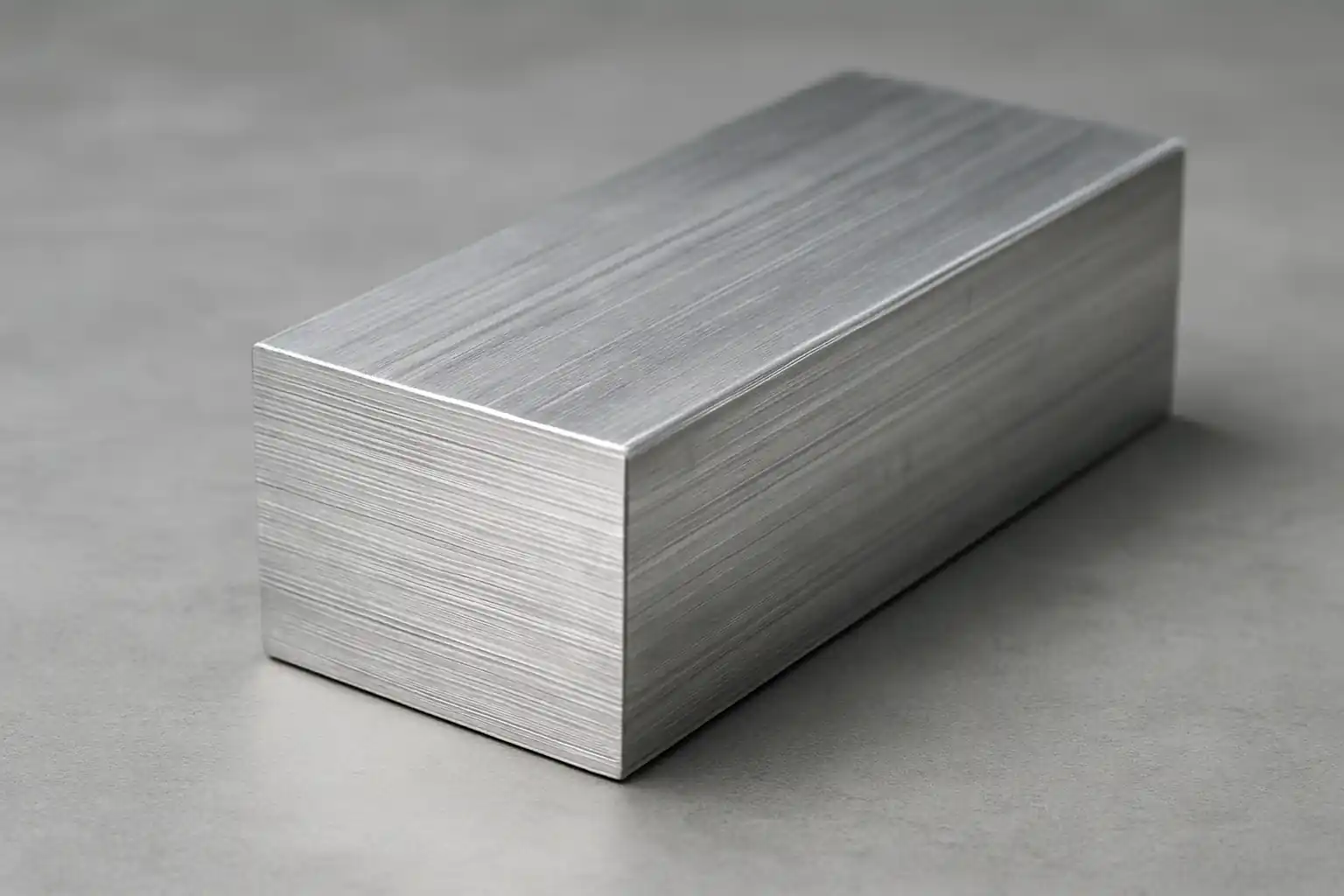
Solid aluminum material used to illustrate electrical conductivity in engineering applications
Is Aluminum Conductive? An Engineering Perspective on Performance and Limitations

Aluminum exhibits useful electrical conductivity, yet its performance in engineered components depends strongly on material state and design constraints. This article explains aluminum’s electrical conductivity from an engineering perspective, highlighting the influence of alloy composition, heat treatment, and comparison to standard conductors. The goal is to clarify how aluminum’s conductivity should be interpreted in practical machining and material selection decisions.

Read article
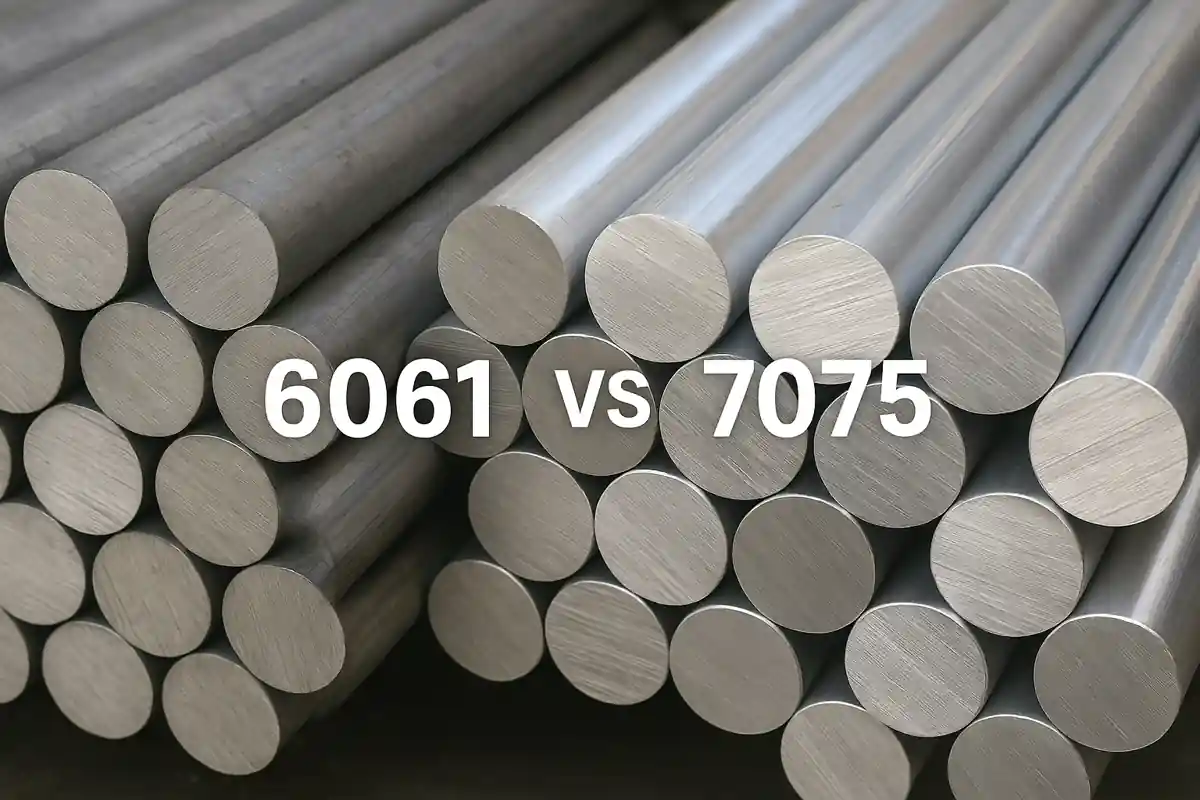
6061 vs 7075 aluminum round bars comparison image
6061 vs 7075 Aluminum

6061 offers balanced performance, easy machining, and lower cost for general CNC parts. 7075 provides ultra-high strength for aerospace and high-load components but is harder to machine and more expensive. Knowing these differences is key to proper material selection.

Read article
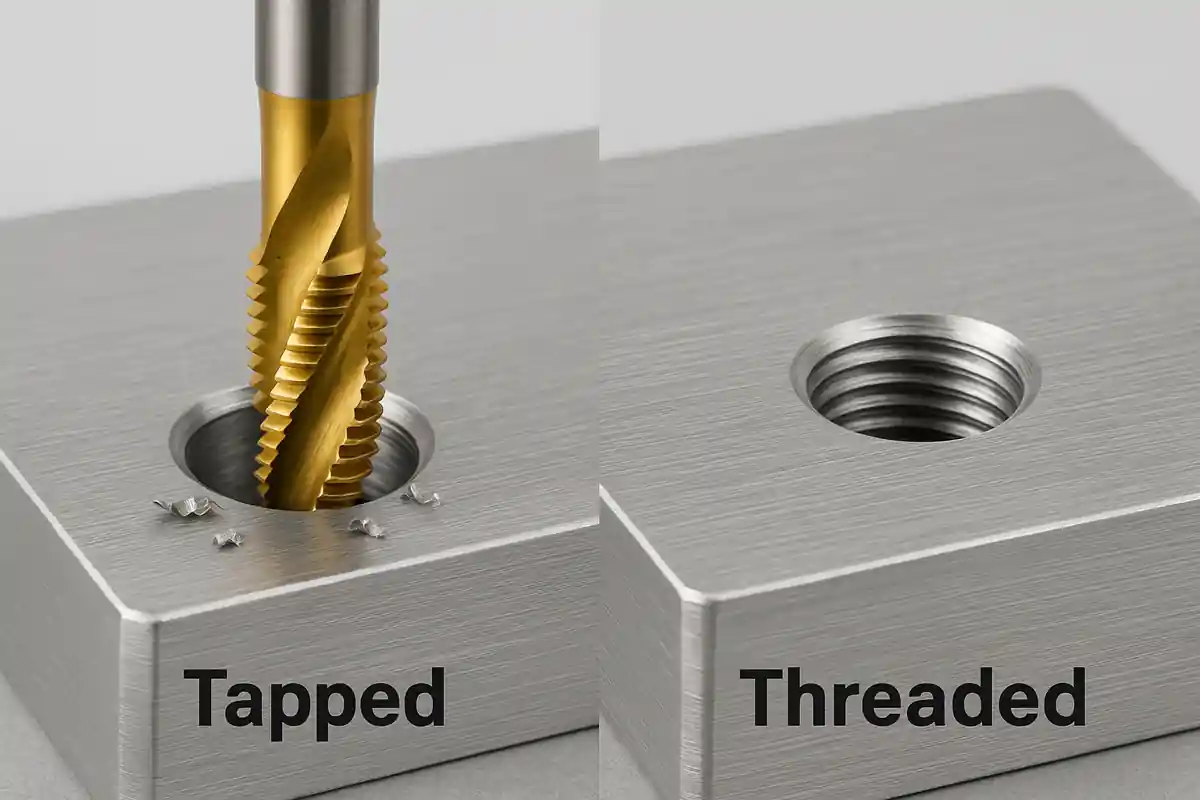
Tapped hole vs threaded hole showing tapping process and finished internal thread
Tapped Hole vs Threaded Hole: Key Differences

Tapped holes and threaded holes are often used interchangeably in machining, but they are not the same in engineering terms. A tapped hole refers to a specific threading process, while a threaded hole describes the final threaded result, regardless of how it is produced. This guide explains the key differences between tapping and other threading methods in terms of process behavior, size control, material suitability, deep-hole risk, and cost structure. It also helps engineers choose the right threading method for aluminum, stainless steel, titanium, and high-value CNC parts.

Read article
aluminum-foil-balls-volume-comparison
What is the Density of Aluminum?

Aluminum has a standard density of 2.70 g/, with small variations across different alloys due to differences in composition and manufacturing processes. This article provides density data for commonly used wrought and cast aluminum grades, explains how density influences part weight, stiffness, machining stock selection, and lightweight design decisions, and includes practical formulas for calculating raw material and finished-part weight. The information helps engineers make accurate material choices for CNC machining and performance-critical applications.

Read article
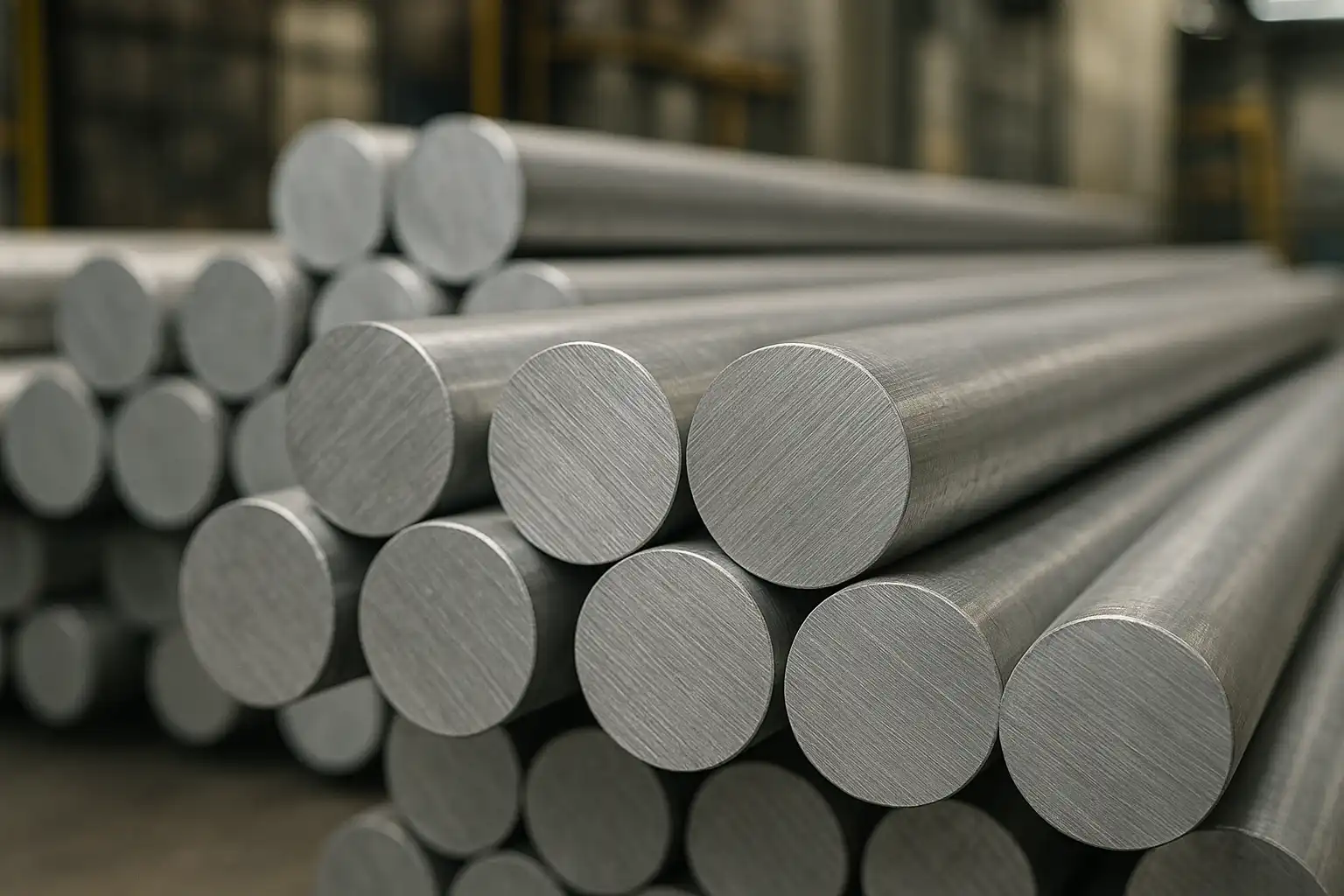
Close-up view of stacked 6061 aluminum round bars in an industrial workshop
6061 Aluminum Tempers Compared: T6 vs T651 vs T6511

This article compares the key engineering differences between 6061-T6, 6061-T651, and 6061-T6511. Although chemically identical, the three tempers differ in heat treatment, stress-relief methods, flatness, straightness, machining deformation, and suitable part types. With clear definitions and dimensional comparisons, it helps engineers choose the most appropriate 6061 temper for structural and precision-machined components.

Read article
Inconel 718 alloy bar stock for CNC machining and high-temperature components
What Is Inconel 718? Coamposition, Properties, and Material Behavior

Inconel 718 is a precipitation-hardening nickel-based superalloy engineered for extreme temperature environments above 700 °C. This guide provides an in-depth overview of its chemical composition, strengthening mechanisms, physical and mechanical properties, and critical manufacturing characteristics such as CNC machining, welding, and heat treatment.

Read article
Stack of industrial aluminum alloy round bars ready for CNC machining
Aluminum Alloys: Types, Properties & Selection Guide

This guide provides a clear technical overview of aluminum alloys—their composition, series classification, properties, machinability, and common grades such as 6061, 7075, and 5052. It helps engineers select the most suitable alloy by balancing strength, weight, corrosion resistance, machinability, and manufacturing cost for CNC parts and industrial applications.

Read article
Illustration showing a brass rod and its melting point range of 880-950°C (Cu-Zn Alloy)
What Is the Melting Point of Brass?

Brass does not melt at a single point; instead, it transitions across a range of 880°C–950°C, depending on alloy composition and microstructure. This melting range influences casting temperature control, zinc evaporation, density, and machining thermal behavior, making it a key factor in selecting brass for pressure-retaining, sealing, thermal, and high-volume machining applications. Controlled heating, protective flux, and proper refining significantly improve part quality and manufacturing economics.

Read article
Steel frame being immersed into molten zinc during the hot-dip galvanizing process
What is Galvanizing?

Galvanizing is a zinc-coating process used to protect steel from corrosion by combining barrier protection, sacrificial action, and strong Fe–Zn alloy bonding. This guide explains how galvanizing works, its major methods—including hot-dip, electro-galvanizing, thermal diffusion, and zinc-rich coatings—and compares it with powder coating. It also outlines coating lifespan, benefits, limitations, engineering considerations, and typical applications in structural steel, fasteners, infrastructure, marine equipment, and industrial components.

Read article