
CNC Machining

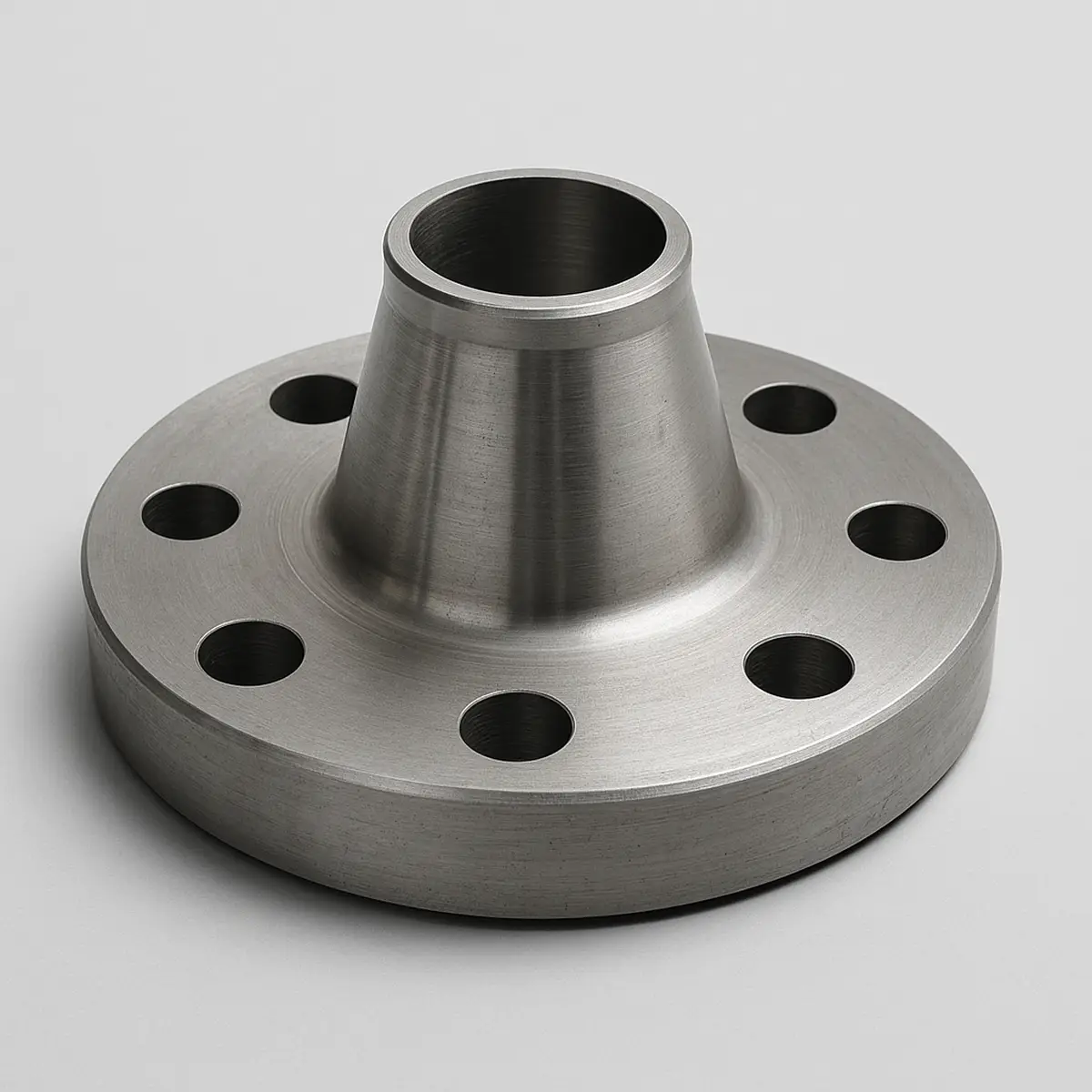
Realistic photo of a weld neck flange showing machined surface and bolt holes on a gray background.
Flange Connections: Principles, Types, and Where They Are Used

A flange is a key mechanical connector used to join pipes, valves, pumps, and equipment in industrial systems. It allows reliable, leak-free connections that can be easily assembled, disassembled, and maintained. This article provides a comprehensive overview of flange fundamentals—including structure, types, facing forms, pressure ratings, standards, and dimensional parameters. It explains how different flange designs (such as weld neck, slip-on, and blind types) meet specific pressure and temperature conditions, and highlights the importance of standardization and correct gasket selection for safe, durable sealing performance.

Read article
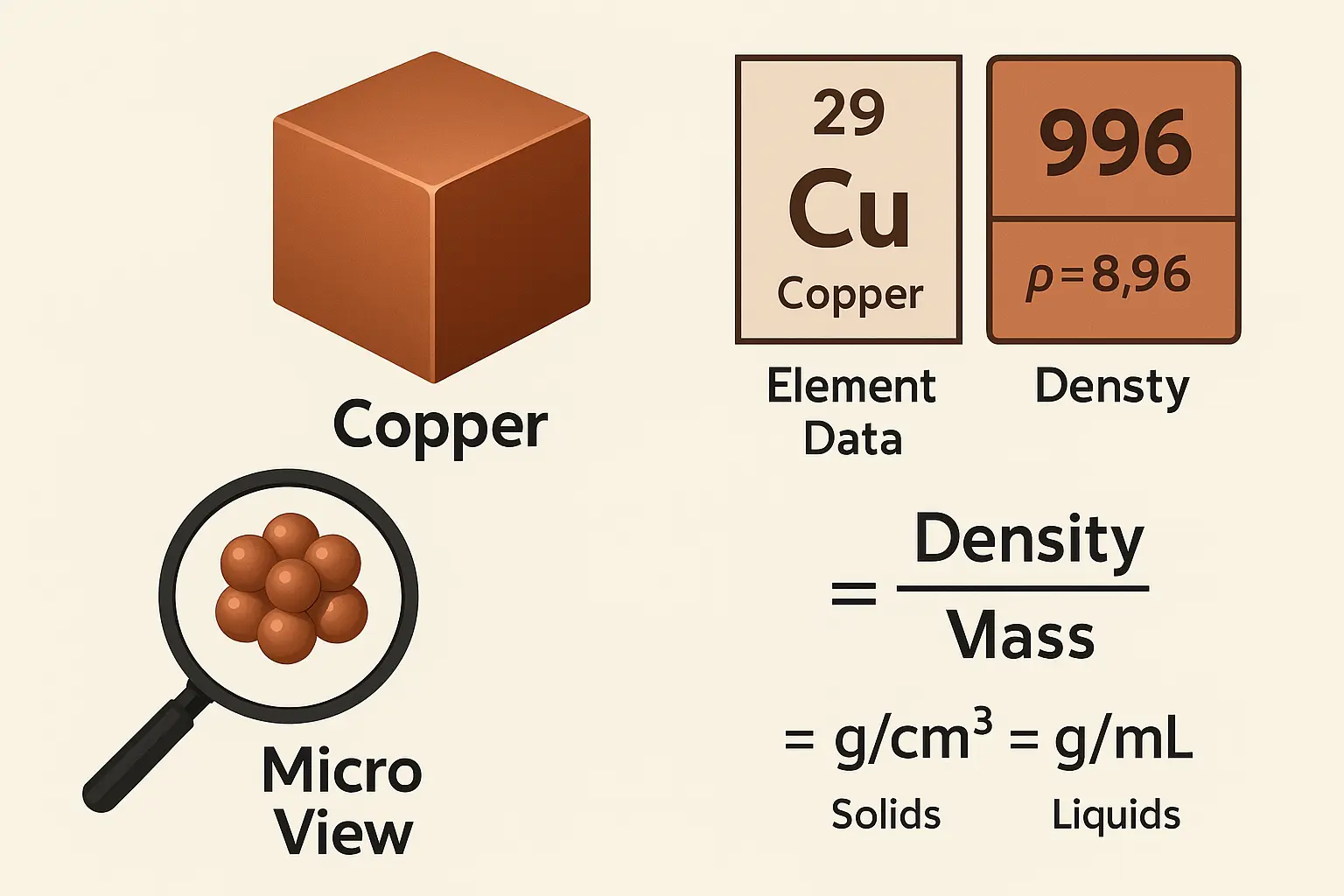
Illustration showing pure copper and its density value for material reference.
What is the Density of Copper? Full Guide to Pure Metal and Alloys

Copper has a density of about 8.96 g/cm³, which is considered moderately high and contributes to its strength, durability, and excellent electrical and thermal conductivity. The density of copper alloys varies depending on added elements: brass (Cu+Zn) is slightly lighter, bronze (Cu+Sn/Al/Ni) can range widely, and cupronickel (Cu+Ni) is often close to or slightly higher than pure copper. Understanding copper density is essential for material selection, weight calculations, and engineering design.

Read article
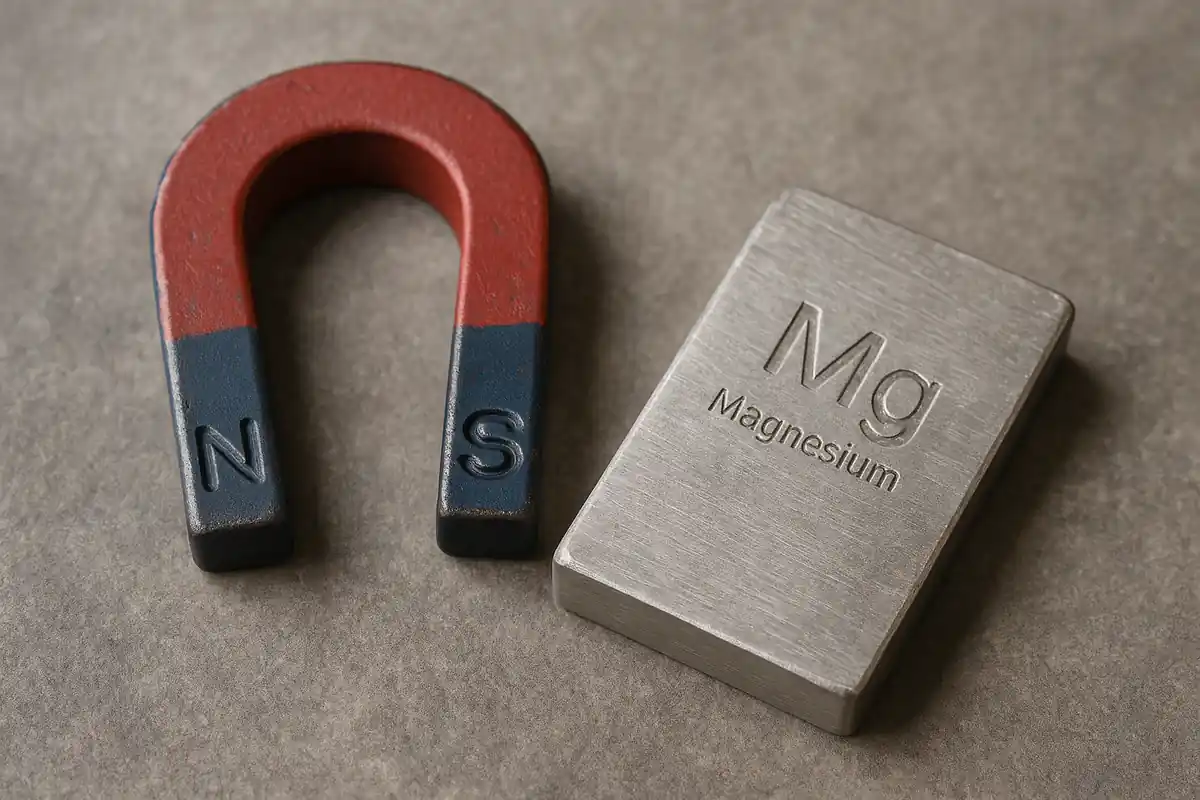
Magnesium block next to a horseshoe magnet, illustrating magnesium's non-magnetic property.
Is Magnesium Magnetic?

Magnesium, an extremely lightweight metal, is fundamentally diamagnetic and does not exhibit attraction to magnets. This crucial characteristic—combined with its strength-to-weight ratio—makes it an essential "magnetic neutral" material. It is favored in advanced fields like MRI equipment (where it minimizes image artifacts), aerospace avionics, and high-precision sensors, ensuring minimal interference and reliable performance in strong magnetic environments.

Read article
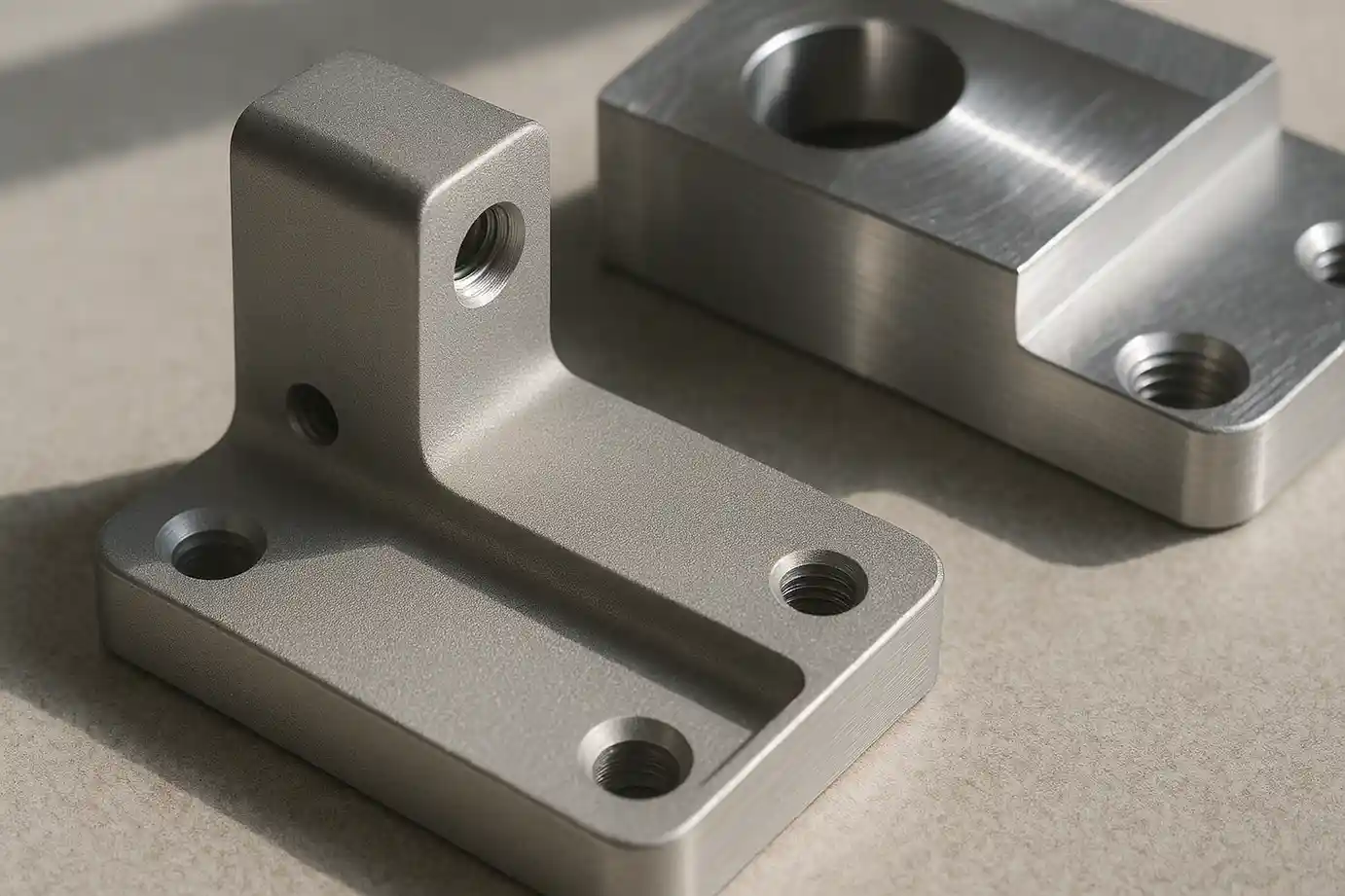
Close-up comparison of an aluminum CNC part after bead blasting (matte) next to the original machined finish (reflective).
How Bead Blasting Works for Precision Metal Components

Bead blasting is a crucial precision surface finishing technique that uses spherical media to achieve a uniform, low-gloss matte finish on machined metal components. Unlike aggressive abrasive blasting, bead blasting gently peens the surface, preserving dimensional accuracy and critical edges while masking machining marks. This process is essential for enhancing the aesthetic appeal, improving surface fatigue resistance, and optimizing the substrate for robust adhesion of downstream finishes like anodizing and PVD in high-consistency sectors like aerospace and medical instrumentation.

Read article
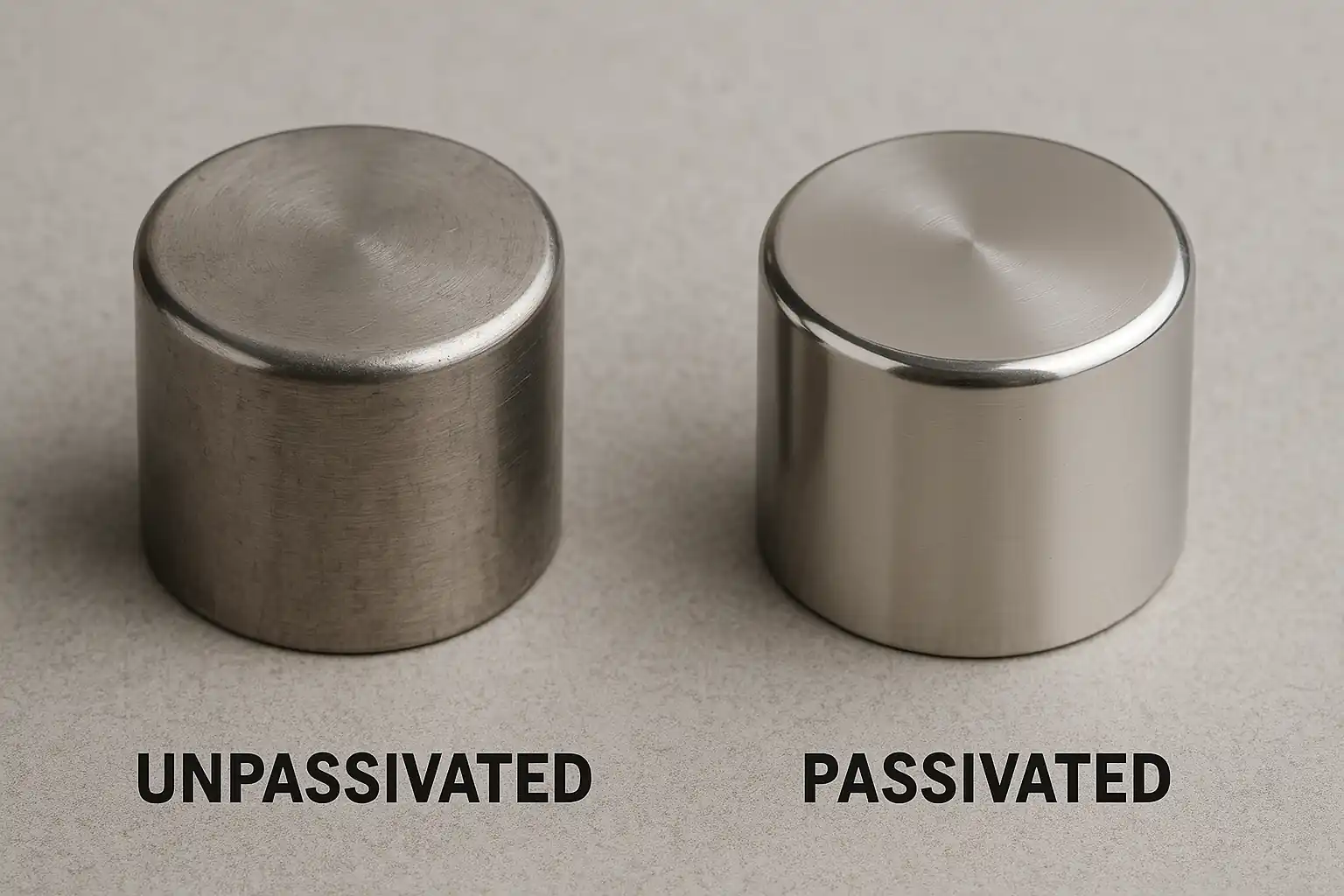
Comparison of unpassivated and passivated stainless steel surfaces showing cleaner, brighter finish after passivation.
Stainless Steel Passivation Process: Definition, Methods, and Benefits

Stainless steel passivation is a controlled chemical process that removes free iron and surface contaminants while enhancing the formation of a stable chromium oxide layer. This thin, invisible film is what protects stainless steel from corrosion and contamination. Unlike coatings or platings, passivation does not add material to the surface—it restores the steel’s natural protective state. The process is widely used across aerospace, medical, and food industries to ensure long-term durability, cleanability, and corrosion resistance of stainless steel components.

Read article
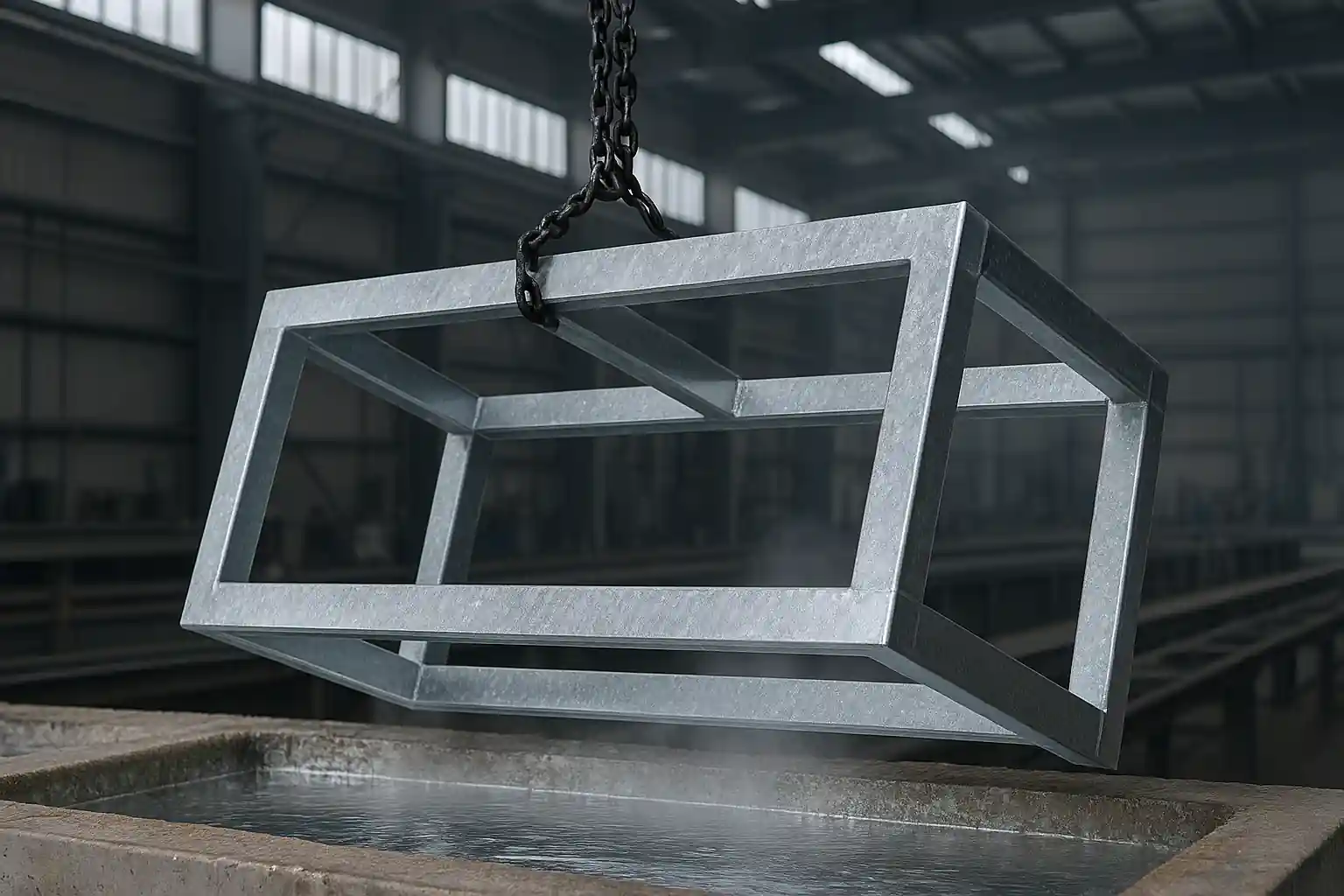
Quenching process showing hot steel part immersed in coolant for rapid cooling
What Is Electroplating and How Does It Work

Electroplating is a controlled surface finishing process that uses electric current to deposit a thin metallic coating on a part’s surface. It enhances corrosion resistance, hardness, conductivity, and appearance while maintaining dimensional accuracy. This article explains what electroplating is, when to use it, and how the process works step by step. It also details the main electroplating types—DC, pulse, electroless, and mechanical methods—along with suitable materials, key advantages, and industrial applications across automotive, aerospace, and precision manufacturing sectors.

Read article
Comparison of H59 and H62 brass showing copper content and typical CNC machined fittings.
H59 vs H62 Brass – Which Is Better for CNC Machining?

When specifying brass for CNC machining, engineers must choose between H59 and H62—two widely used Chinese grades (GB/T 5231). The choice significantly affects machinability, corrosion resistance, and cost. Since direct "international equivalents" are unreliable due to variations in lead and alloying additions, this guide provides an essential, engineering-focused comparison to help you specify the right material based on composition, chip formation, and application needs.

Read article
Copper alloy basic industrial forms, including rod, flat stock, strip, coil, and tube, showcasing material versatility.
What Is Copper: Definition, Characteristics, and Types

Copper is a fundamental industrial metal known for its excellent electrical and thermal conductivity, corrosion resistance, and machinability. This guide explains what copper is, its composition and characteristics, how it’s produced, the main types and alloys, and why it remains essential for precision machining and modern manufacturing.

Read article