
CNC Machining

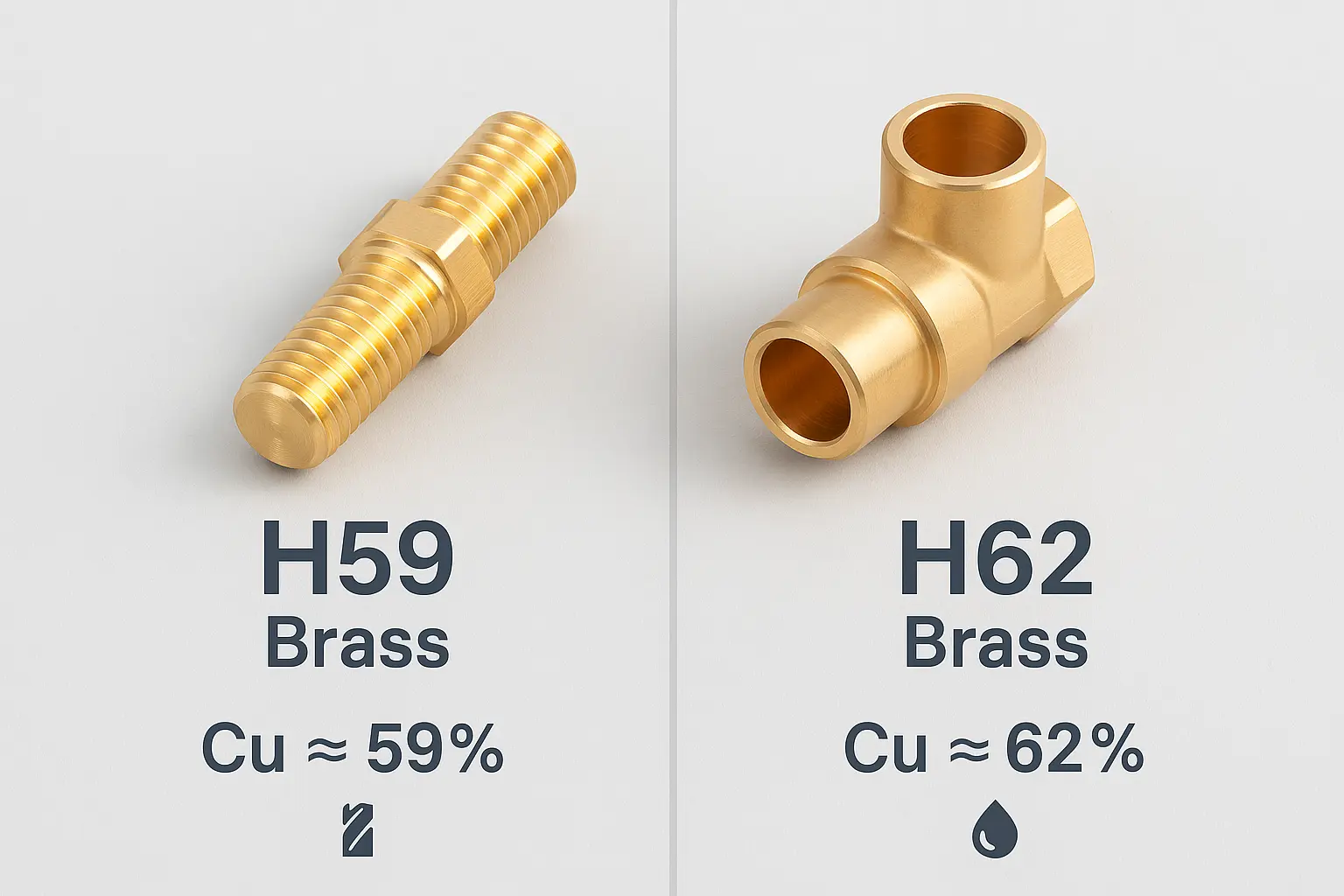
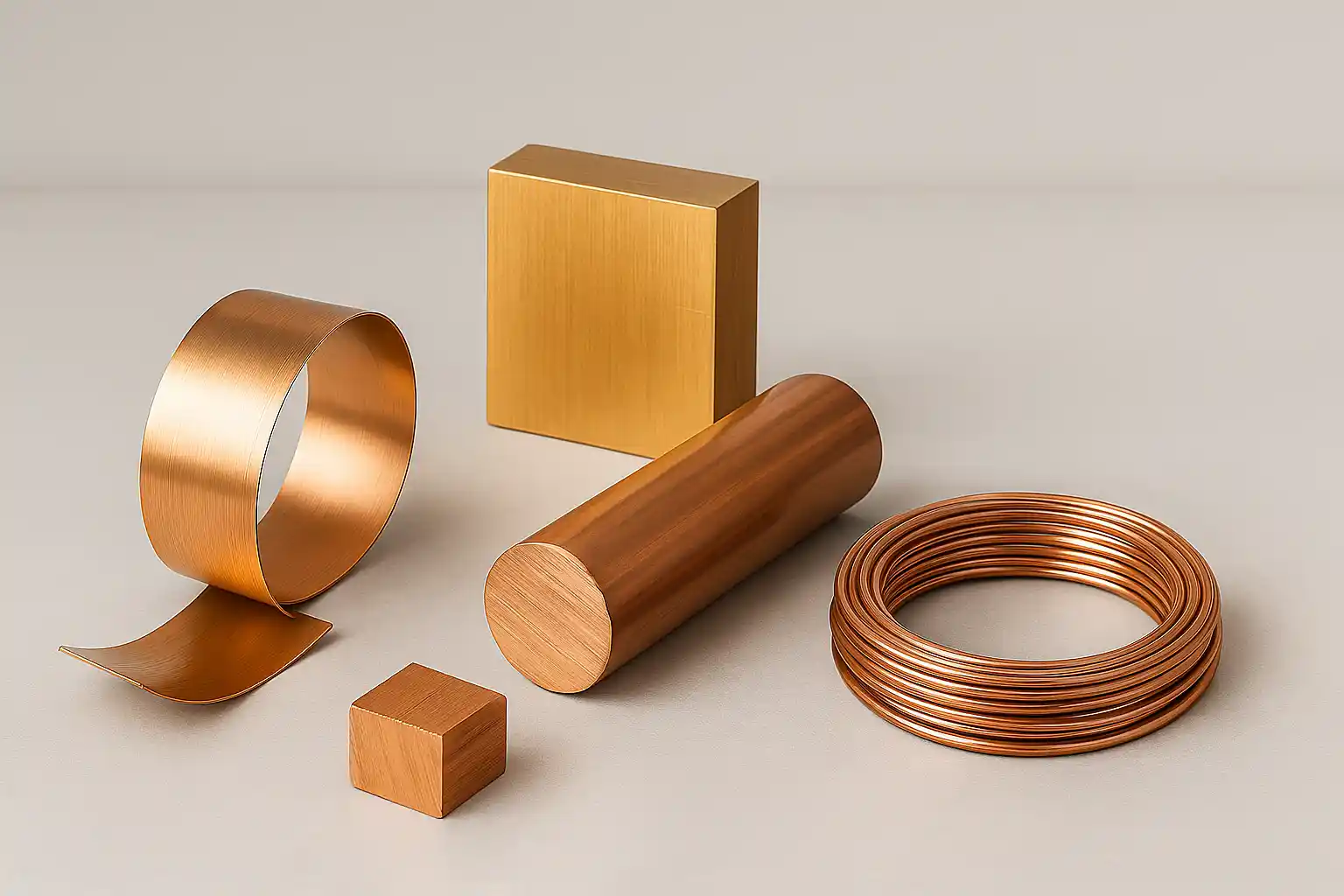
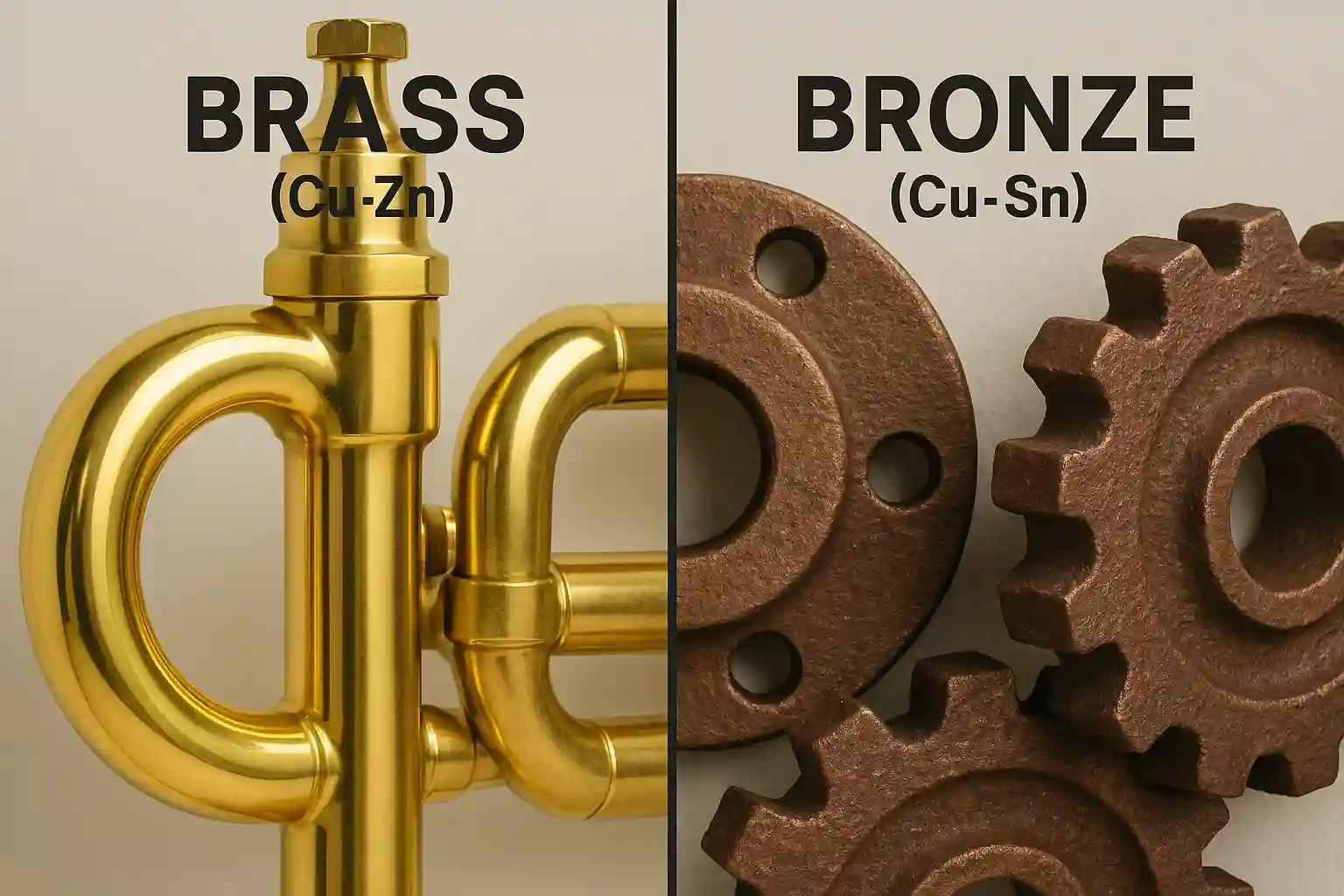
Comparison image of Brass and Bronze. The left side shows bright gold brass instrument components, and the right side features reddish-brown bronze gears. Highlights the difference in color and typical usage.
Brass vs. Bronze: What’s the Difference?

Brass (Copper-Zinc) is preferred for its low cost and excellent machinability, ideal for general and decorative parts. Its main weakness is lower strength and corrosion resistance. Bronze (Copper-Tin) is chosen for superior strength, hardness, and durability, especially in marine and heavy-load applications (bearings, gears), despite being significantly more expensive and harder to manufacture.

Read article
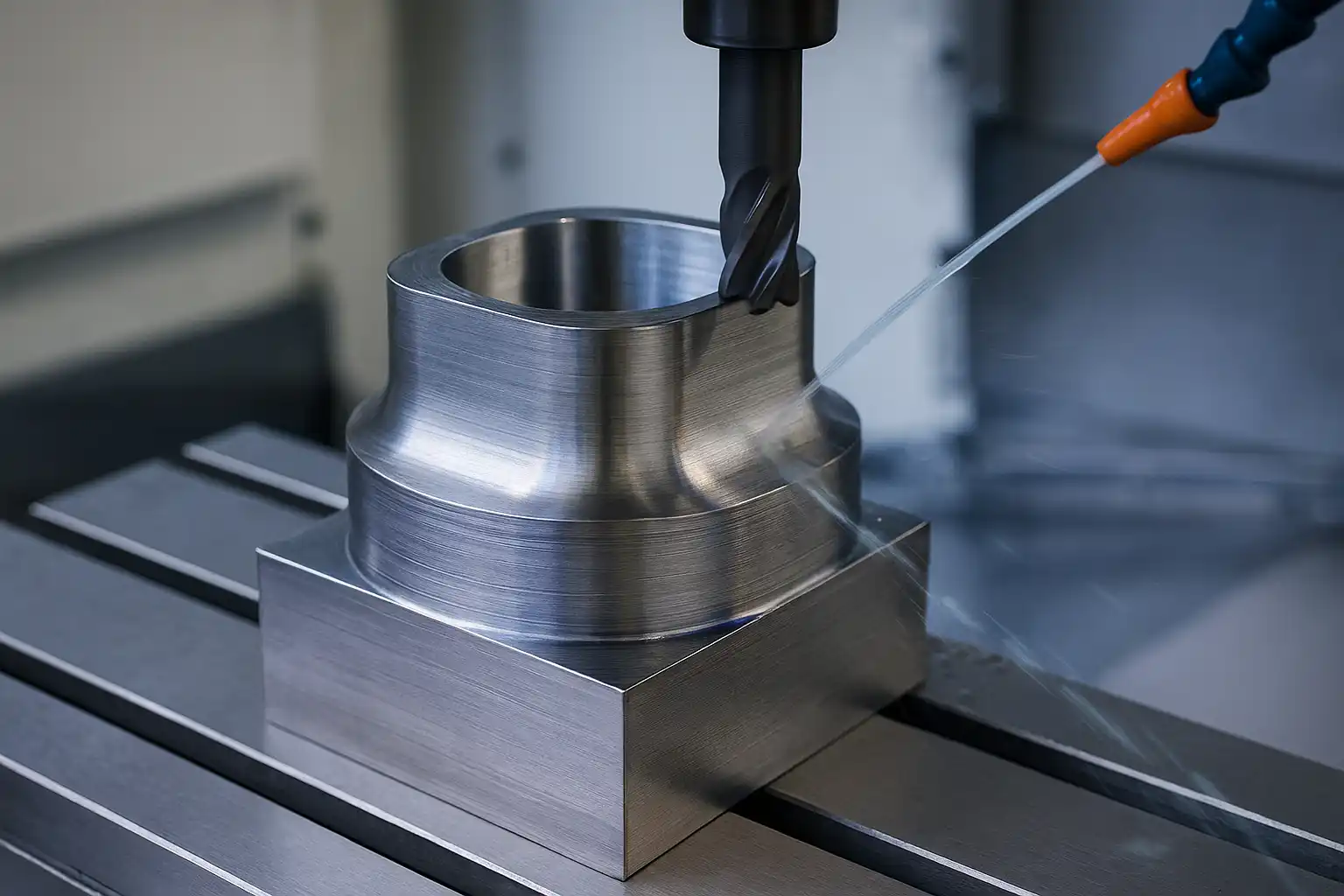
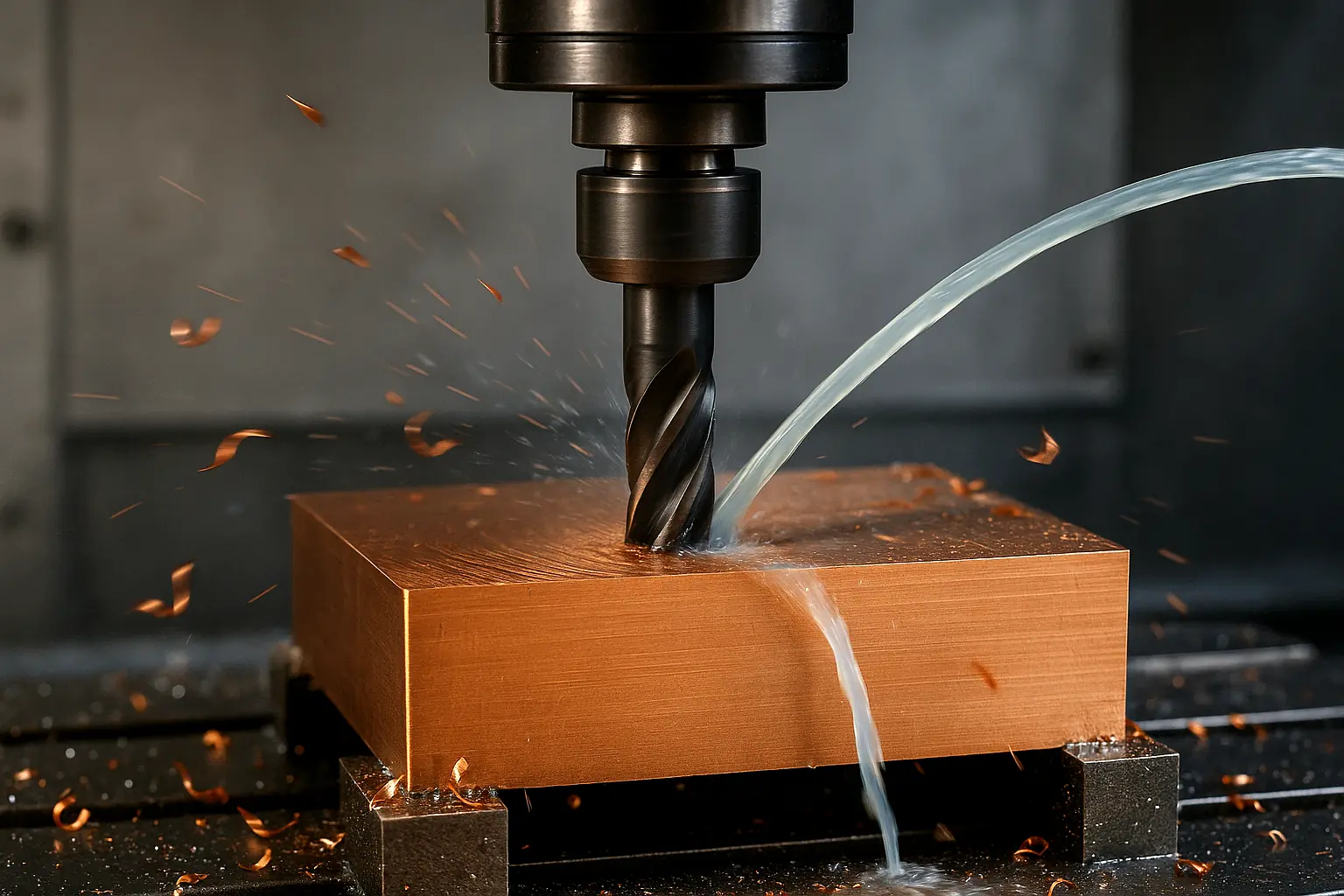
Titanium alloy machining process showing end-mill cutting with coolant spray and heat concentration control.
Titanium Alloys Machining: Performance, Challenges, and Best Practices

Titanium offers top strength-to-weight and corrosion resistance but machines poorly due to low thermal conductivity, chemical reactivity, and low modulus—driving heat, wear, and chatter. The stable recipe is low cutting speed (Ti-6Al-4V roughing ≈ 40–60 m/min) with higher feed to make thick chips, plus high-pressure through-coolant (70–100 bar), rigid workholding, and PVD-coated fine-grain carbide. Use low radial / high axial engagement and constant-engagement HEM toolpaths to achieve predictable tool life, tight tolerances, and clean finishes.

Read article
Knurling process on a CNC lathe showing roller pressing against the rotating metal workpiece.
Knurling in CNC Machining: Process, Tools and Applications

In the field of CNC precision machining, knurling is a special process that goes beyond simple cutting. It is a critical surface finishing technique used to form complex texture patterns on rotating metal workpieces. These patterns are primarily used to enhance grip, provide anti-slip functions, or create a unique surface texture for functional components. Knurling…

Read article
Professional thread tap types guide with pilot hole size chart and 75% thread engagement rule.
Thread Taps Explained: Types, Sizes & Tapping Process

A definitive professional guide to thread taps for engineers. This article details 12 core tap types (cutting vs. forming) and provides drill size charts based on the critical 75% engagement rule for torque safety. Learn to select ISO 6H/UN 3B tolerances based on assembly needs, and utilize systemized troubleshooting for tap breakage and quality control.

Read article
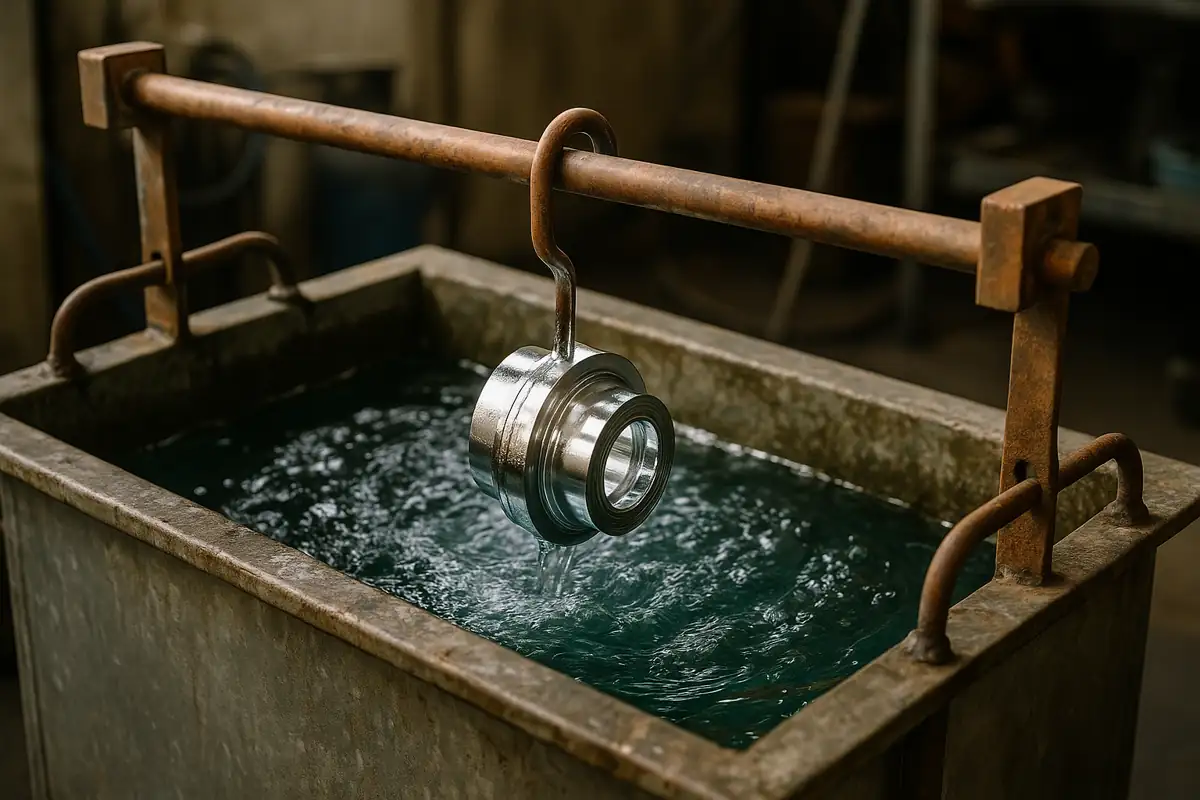
How long does anodizing last — illustrating an anodized aluminum part with protective coating durability concept.
How Long Does Anodizing Last

Anodizing transforms aluminum into a durable oxide layer that resists wear and corrosion for decades. This guide explains the lifespan of Type I, II, and III coatings, the key factors that affect durability, and practical ways to extend anodized aluminum’s service life.

Read article
Anodizing Color Range Hero Shot
Anodizing Color Selection: Type I, II, III Color Ranges and Technical Boundaries

This guide compares the color limitations and scope of Type I, II, and III Anodizing. Type II offers decorative colors (caution needed for UV fading), while Type III is limited to dark colors but provides extreme wear resistance. The summary emphasizes that alloy composition and sealing quality are crucial for color durability. It also briefly contrasts anodizing with powder coating to help guide the best surface finish decision based on performance, tolerance, and color needs.

Read article
Main Custom Anodized Parts
Anodizing: Process, Types, Benefits, Applications

Anodizing is the essential B2B electrochemical conversion process for aluminum. It transforms the surface into a hard, non-corrosive Al 2 ​ O 3 ​ ceramic layer, providing superior wear resistance (Type III), corrosion protection, and insulation. Best results require 6061/7075 alloys. Although the initial cost may be higher than coatings, its molecular adhesion and long-term durability deliver a higher overall ROI for critical applications in industries like aerospace and high-end electronics.

Read article