

6061-T6는 6061 알루미늄 합금에서 가장 일반적인 열처리 상태이며, CNC 가공 프로젝트에서 가장 자주 선택되는 소재 중 하나입니다. 이 소재는 적당한 강도, 우수한 내식성, 뛰어난 가공성, 그리고 많은 고강도 알루미늄 합금에 비해 비교적 저렴한 소재 비용을 균형 있게 갖추고 있습니다.
이 기사에서는 6061-T6 알루미늄이 무엇인지, 그 화학 조성, 재료 특성, 장점과 한계, 대표적인 용도, 그리고 시장 가격 정보를 설명하여, 귀하의 CNC 가공 프로젝트에 이 소재가 적합한지 판단하는 데 도움을 드리고자 합니다.
6061-T6 알루미늄이란 무엇인가요?
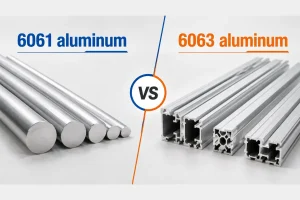
6061은 열처리 가능한 알루미늄-마그네슘-실리콘(Al-Mg-Si) 합금으로, 6xxx 알루미늄 계열에서 가장 널리 사용되는 합금 중 하나입니다. 이 합금은 일반적으로 제조 용도로 바, 판, 압출 프로파일 형태로 공급됩니다.
“T6”라는 명칭은 열처리 상태를 나타냅니다. 이 소재는 용체화 열처리, 담금질 및 인위적 노화 처리(일반적으로 약 160~190°C)를 거쳐 최대 기계적 강도에 근접한 수준을 달성합니다.
밀도가 2.70 g/cm³인 6061-T6 알루미늄은 강철보다 무게가 약 3분의 1 정도입니다. 강도, 경량성, 가공성 및 내식성을 모두 갖춘 이 합금은 CNC 밀링, 선반 가공 및 정밀 가공에 가장 널리 사용되는 알루미늄 합금 중 하나입니다.
일반적인 공급 형태는 다음과 같습니다:
- 원형 봉
- 접시
- 압출 프로파일
- 튜브
- 단조품
6061-T6 알루미늄의 화학 성분
6061 알루미늄의 주요 강도 향상 원소는 마그네슘(Mg)과 실리콘(Si)입니다. T6 노화 공정 중에 이 원소들은 Mg₂Si 석출물을 형성하며, 이는 합금의 강도와 안정성을 향상시킵니다.
일반적인 화학 조성은 다음과 같습니다(중량 백분율):
| 요소 | 내용 (%) |
|---|---|
| 알루미늄(Al) | 잔액 |
| 마그네슘(Mg) | 0.8-1.2 |
| 실리콘(Si) | 0.4-0.8 |
| 구리(Cu) | 0.15-0.40 |
| 크롬(Cr) | 0.04-0.35 |
| 철(Fe) | ≤0.70 |
| 망간 (Mn) | ≤0.15 |
| 아연(Zn) | ≤0.25 |
| 티타늄(Ti) | ≤0.15 |
마그네슘과 실리콘이 주요 강도 향상 원소입니다. 구리와 크롬은 소량 함유되어 있지만, 강도와 내식성을 향상시키는 데 기여합니다. 철, 망간, 아연, 티타늄과 같은 원소들은 재료의 성능을 일관되게 유지하기 위해 지정된 범위 내에서 엄격히 관리됩니다.
6061-T6의 물리적 특성
| 속성 | 값 |
|---|---|
| 밀도 | 2.70g/cm³ |
| 녹는점 | 582–652°C |
| 열 전도성 | 167 W/(m·K) |
| 전기 전도성 | 약 43% IACS |
| 열팽창 계수 | 23.6 µm/(m·K) |
| 자성 특성 | 비자기 |
6061-T6는 일반적인 구조용 알루미늄 합금 중에서도 중간 수준에서 양호한 수준의 열전도율과 전기 전도율을 나타냅니다. 따라서 방열 부품, 전기 부품 및 산업용 장비 부품과 같은 용도에 적합합니다.
6061-T6의 기계적 특성 및 내식성
6061-T6는 열처리 후 강도와 기계적 성능의 균형이 잘 잡혀 있습니다.
| 속성 | 값 (T6 상태) |
|---|---|
| 수율 강도 | 약 276 MPa |
| 인장 강도 | 약 310 MPa |
| 신장 | 12–17% |
| 경도 | 약 95 HB |
탄소강과 달리 6061-T6 알루미늄은 녹슬지 않습니다. 이 소재의 자연적인 산화막이 기본적인 부식 방지 기능을 제공하므로, 일반적인 산업 환경 및 일부 실외 용도에 적합합니다.
다만, 해양 환경과 같이 염분 농도가 높은 환경에 장기간 노출될 경우, 양극 산화 처리나 코팅과 같은 추가적인 보호 조치를 취하는 것이 좋습니다.
강철에 비해 6061-T6는 경도가 낮기 때문에, 단단한 물체에 의해 표면이 긁히거나 손상될 가능성이 더 높습니다. 실제 사용 환경에 따라 적절한 표면 처리를 선택해야 합니다.
6061-T6 알루미늄의 장점과 단점
6061-T6는 균형 잡힌 알루미늄 합금으로 평가받습니다. 이 합금은 시중에서 구할 수 있는 알루미늄 합금 중 가장 강도가 높은 것도, 가장 저렴한 옵션도 아니지만, 강도, 가공성, 내식성 및 가격 사이에서 실용적인 균형을 제공합니다. 이러한 균형 덕분에 이 합금은 CNC 가공 분야에서 널리 사용되는 주요 이유 중 하나입니다.
장점
- 뛰어난 중량 대비 강도: 경량 구조 부품에 적합합니다.
- 우수한 내식성: 자연적으로 형성된 산화막은 기본적인 보호 기능을 제공하며 유지보수 부담을 줄여줍니다.
- 뛰어난 가공성: 안정적인 절삭 성능, 제어 가능한 칩, 그리고 우수한 표면 마감을 제공합니다.
- 유연한 표면 처리 옵션: 양극 산화 처리, 샌드블라스팅, 연마 및 기타 표면 처리 공정에 적합합니다.
- 안정적인 자재 공급: 봉, 판재, 형강은 시중에서 널리 구할 수 있으며 조달하기도 쉽습니다.
단점
- 다음과 같은 고강도 알루미늄 합금보다 강도가 낮은 7075 그리고 2024년까지는 극도로 하중이 큰 구조물에는 적합하지 않습니다.
- 강철보다 경도가 낮아 표면이 긁힘이나 찌그러짐에 더 취약합니다.
- 약 150°C 이상에서는 강도가 현저히 감소하므로, 장기간 고온 환경에 사용하기에는 적합하지 않습니다.
- 평균 피로 성능으로, 반복적인 주기적 하중에 노출되는 부품에 대해서는 추가 평가가 필요합니다.
6061-T6 알루미늄 가공의 대표적인 용도
경량 구조, 내식성, 우수한 가공성 및 비용 관리가 필요한 부품의 경우, 6061-T6은 종종 가장 먼저 고려되는 소재 중 하나입니다.
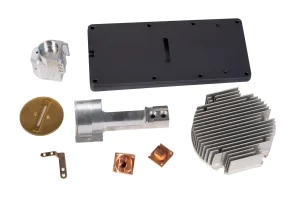
일반적인 애플리케이션은 다음과 같습니다:
- 자동차 산업: 브래킷, 하우징, 배터리 트레이 및 경량 구조 부품.
- 항공우주 산업: 비내력 구조 부재, 내부 부품 및 공구 고정 장치.
- 가전제품: 하우징, 방열판 및 구조용 프레임.
- 산업용 장비: 고정 장치, 밸브 블록, 유압 부품 및 보호 커버.
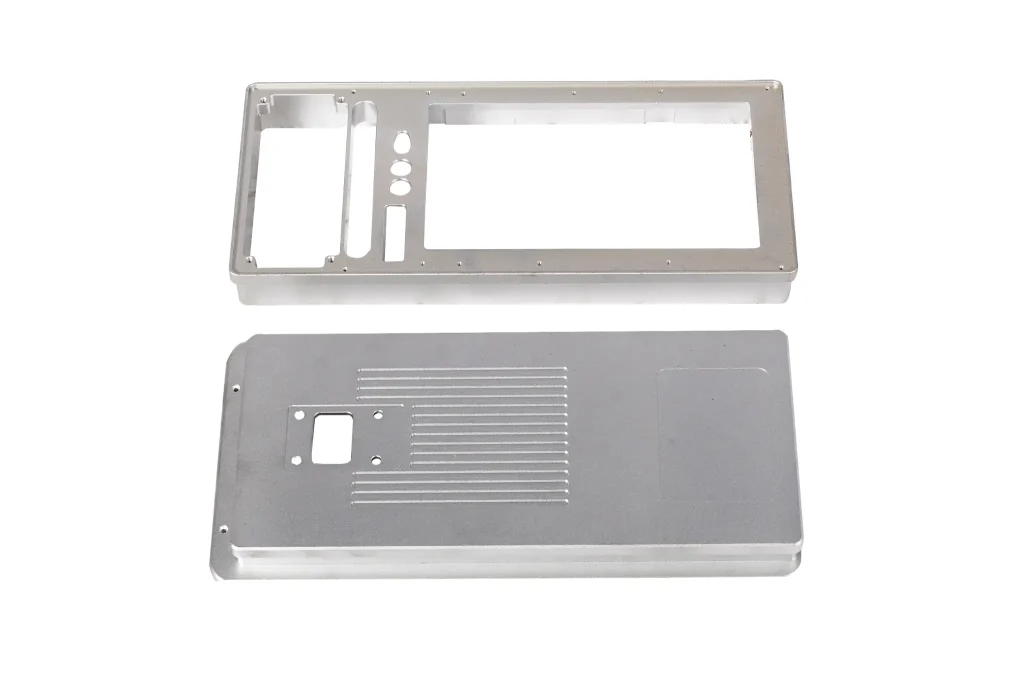
일반적인 제조 공정에는 봉재, 판재 또는 압출 프로파일을 이용한 CNC 가공이 포함되며, 필요에 따라 양극 산화 처리와 같은 표면 처리가 뒤따릅니다.
6061-T6 알루미늄 가격: 시장 기준가
6061 알루미늄은 가격대가 중간 수준인 산업용 소재로 간주됩니다. 실제 가격은 다음과 같은 여러 요인에 따라 달라집니다:
- LME 알루미늄 가격 변동;
- 구매 수량;
- 재료의 치수 및 사양;
- 공급업체 채널.
일반적인 시장 사례로는 다음과 같은 것들이 있습니다:
| 재료 유형 | 가격 참조 |
|---|---|
| 알루미늄 잉곳/봉 대량 구매 | 약 $ 2,500–3,500/톤 |
| 대량 국내 구매 | 톤당 약 18,000~25,000 위안 |
| 소량 판재/봉재 소매 구매 | 약 $6–12/kg |
CNC 가공 프로젝트의 경우, 재료비는 전체 제조 비용의 일부에 불과합니다.
최종 견적은 대개 다음 요인의 영향을 더 크게 받습니다:
- 가공 시간;
- 부품의 복잡성;
- 허용 오차 요건;
- 표면 마감;
- 주문 수량.
자주 묻는 질문
6061 알루미늄은 고품질 알루미늄 합금인가요?
네, 고품질 산업용 알루미늄 합금으로 볼 수 있습니다. 6061은 가장 성숙하고 널리 사용되는 구조용 알루미늄 합금 중 하나입니다. 이 합금의 장점은 특정 한 가지 항목에서 최고의 성능을 발휘하는 것이 아니라, 강도, 가공성, 내식성 및 비용 사이에서 뛰어난 균형을 제공한다는 점입니다. 이러한 균형 덕분에 이 합금은 CNC 가공에 가장 흔히 선택되는 알루미늄 합금 중 하나가 되었습니다.
6061-T6는 항공우주 등급 알루미늄인가요?
6061-T6는 종종 항공우주 분야와 연관되어 언급되지만, 이 합금의 역할을 올바르게 이해해야 합니다. 이 합금은 주로 항공기 내장 부품, 브라켓, 비하중 지지 구조 부품에 사용되는 반면, 고강도 항공우주 구조 부품은 7075나 2024와 같은 합금으로 제작되는 경우가 더 일반적입니다.
간단히 말해, 6061-T6는 항공우주 분야에 사용하기에 적합한 범용 알루미늄 합금이지만, 주요 고강도 항공우주 구조용 합금으로 간주되지는 않습니다.
가장 품질이 뛰어난 알루미늄 합금은 무엇일까요?
모든 용도에 대해 최고라고 할 수 있는 단일 알루미늄 합금은 존재하지 않습니다. 재료 선택은 구체적인 성능 요구 사항에 따라 달라집니다.
| 요구 사항 | 추천 자료 |
|---|---|
| 최고의 강도 | 7075-T6 |
| 뛰어난 내식성 | 5083 및 기타 5xxx 계열 합금 |
| 주조 부품 | A356 |
| 일반 CNC 가공 | 6061-T6 |
소위 “최고급” 알루미늄 합금을 선택하는 것보다는, 성능 요구 사항, 제조 방법 및 비용을 고려하여 적절한 재료를 선정해야 합니다.
6061-T6는 단조된 것입니까?
꼭 그렇지는 않습니다. 6061은 단조를 통해 생산할 수 있는 단조 알루미늄 합금이지만, CNC 가공 프로젝트의 경우 일반적으로 봉, 판, 또는 압출 프로파일 형태로 구매한 후 이를 가공하여 완제품 부품을 만드는 방식이 더 일반적입니다.
T6 표기는 단지 열처리 상태(용체화 열처리, 담금질 및 인위적 노화)만을 나타내며, 성형 방법과는 관련이 없습니다.