

In the machining process, manufacturing a qualified part is typically composed of two core stages: Roughing and Finishing. Although these two operations can be performed sequentially on the same machine, there are fundamental differences in their cutting logic, parameter settings, and technical objectives. Clearly defining and optimizing these two stages is the foundation for ensuring dimensional accuracy, controlling production costs, and improving overall machining efficiency. This article provides an objective analysis of the definitions, technical differences, and practical process requirements of roughing and finishing.
What Is Roughing in Machining?
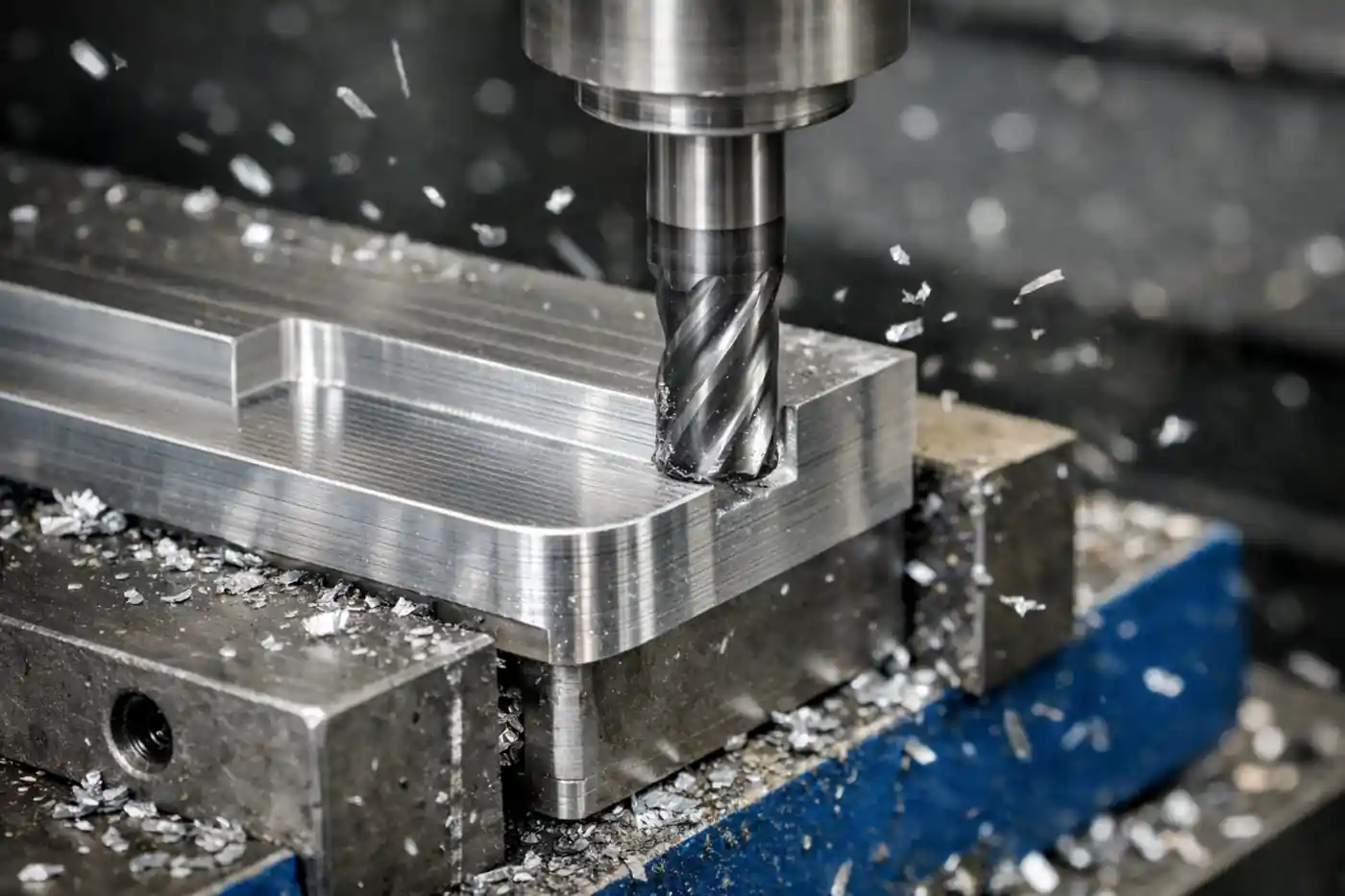
Roughing is the initial stage of mechanical machining, aimed at utilizing a high Material Removal Rate (MRR) to quickly cut away the majority of excess material from a blank. At this stage, the process focus is on removal efficiency rather than surface quality or precision tolerances. By employing larger depths of cut and feed rates, roughing processes the raw material into a “near-net shape” that approximates the final dimensions, reserving the necessary machining allowance for subsequent steps.
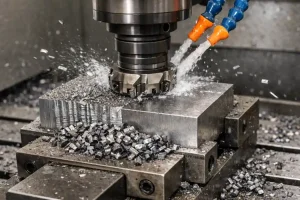
From the perspective of process stability, roughing serves not only to remove bulk material but also to release the initial internal stresses of the material. In heavy-duty cutting conditions—such as opening cavities in solid blocks or castings—a well-planned roughing path can effectively shorten the total machining time and ensure that tool loads remain stable during the subsequent finishing stage.
What Is Finishing in Machining?
Finishing is the final stage of the machining process, with the objective of bringing the part to the final technical requirements specified in the drawing. Unlike roughing, which prioritizes efficiency, finishing employs a light-load cutting mode. By using minimal depths of cut and precisely controlled feed rates, it removes the last tiny amount of remaining allowance to achieve the required dimensional tolerances, geometric tolerances, and surface roughness (Ra).
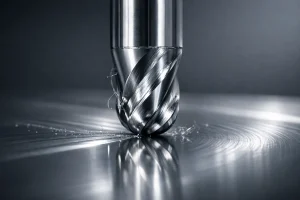
Finishing is a critical link in ensuring the functionality of a part. It is responsible for locking in key geometric dimensions and eliminating tool marks or heat-affected zones left by previous processes. All surfaces with mating requirements—such as shaft-hole fits, sealing grooves, and guide surfaces—must undergo rigorous finishing. The output of this stage directly determines whether the part meets the standards for assembly.
Differences Between Roughing and Finishing
To better understand the distinct roles these two operations play on the production line, we can analyze their different characteristics across several key dimensions:
1. Process Objectives
Roughing focuses on “Removal Efficiency,” where success is measured by the volume of material removed per unit of time. Finishing focuses on “Controlled Quality,” prioritizing tolerance consistency and surface integrity.
2. Cutting Parameters
Roughing typically employs a large depth of cut (ap). Finishing uses a minimal depth of cut (typically 0.1–0.5 mm), combined with high spindle speeds and low feed rates to reduce tool deflection caused by cutting forces.
3. Precision Levels
Roughing results in coarse surface quality, with dimensional tolerances usually maintained at the ±0.5 mm level. Finishing reduces surface roughness to Ra 1.6 or lower and locks dimensional accuracy within a precise range (e.g., ±0.01 mm).
4. Tooling and Path Strategy
Roughing utilizes high-strength tools with large chip evacuation spaces. Finishing utilizes dedicated tools with high hardness and precision edges, with strictly controlled Stepover to ensure uniform surface texture.
5. Process Risk Control
Roughing risks involve deformation due to stress release. Finishing carries the highest Scrap Value Risk—errors at the finishing stage render all previous time and material investments void.
Achieving a Smooth Transition via Semi-Finishing
In many complex machining scenarios, jumping directly from roughing to finishing can compromise the final quality. The primary value of semi-finishing lies in “unifying the allowance.” By cleaning up corners and irregular “stair-step” material left by the roughing tool, it ensures the surface is uniform before the final pass.
This transition stage effectively reduces the instantaneous load on the finishing tool, preventing tool breakage or deflection caused by sudden changes in material thickness. It also provides a more stable geometric baseline for the final precision locking.
Precautions for Roughing
To ensure that roughing provides a solid foundation for subsequent steps, the following technical details must be prioritized:
1. Prevent Over-cutting
Roughing paths must maintain a clear safety margin. If the cutting depth exceeds the reserved allowance (over-cutting) due to vibration or parameter errors, finishing cannot compensate for the defect, leading directly to part rejection.
2. Maintain Uniformity of Reserved Allowance
Ideal roughing should provide a uniform machining layer. If the allowance fluctuates abruptly, it will cause tool load spikes during finishing, leading to vibration, reduced precision, or tool damage.
3. Focus on Chip Evacuation and Cooling
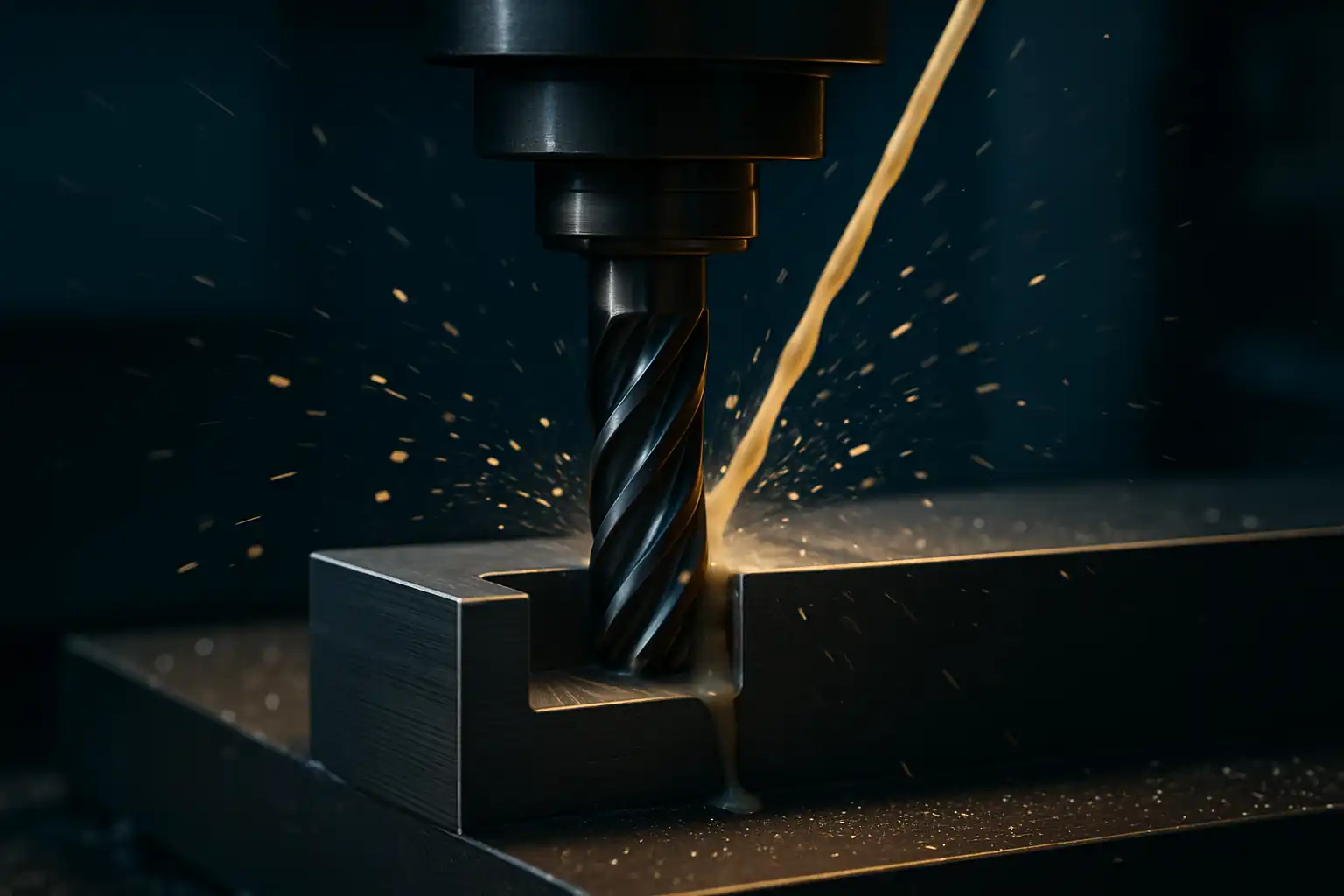
The large volume of chips generated must be removed promptly by high-pressure coolant. Chip stagnation leads to secondary cutting, which damages the tool tip and may cause thermal deformation of the part.
Precautions for Finishing
When entering the final precision stage, the rigor of process control determines the final yield rate:
1. Datum Verification and Stress Adjustment
Parts may undergo slight deformation after roughing due to stress release. Before finishing, the positioning datum must be verified. For high-precision parts, re-clamping the part to offset clamping-induced errors is recommended.
2. Surface Protection and Lubrication
Cooling during finishing should focus on lubrication and temperature stability. It is vital to ensure no tiny chips remain in the cutting zone; residual particles can act as abrasives and leave irreparable scratches on the finished surface.
3. Tool Management and Path Optimization
Finishing requires strict monitoring of tool wear. Toolpaths should minimize unnecessary retractions and optimize lead-in/lead-out methods to ensure a consistent and seamless surface texture.
Conclusion
Roughing and finishing fulfill specific, complementary roles. Roughing provides the foundational shape through efficient removal, while finishing ensures final technical specifications through precision cutting. Rationally planning the transition between these stages—and introducing semi-finishing when necessary—is essential for improving quality, reducing waste, and optimizing production costs.
If you have specific machining process requirements or are facing precision control challenges, please consult our technical experts for professional engineering support.