

5-Axis CNC System Design: More Than Just Adding Axes
You have a complex part. The CAD model looks fantastic—smooth surfaces, tight clearances, and undercuts everywhere. You send it to the shop, thinking, “They have a 5-axis machine; they can handle anything.”
Then the phone call comes: “We need to modify the design. The tool can’t reach these areas, and workholding is going to be an issue.”
Sound familiar?
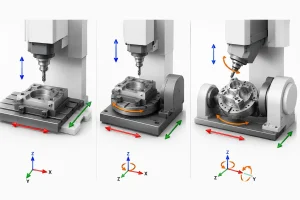
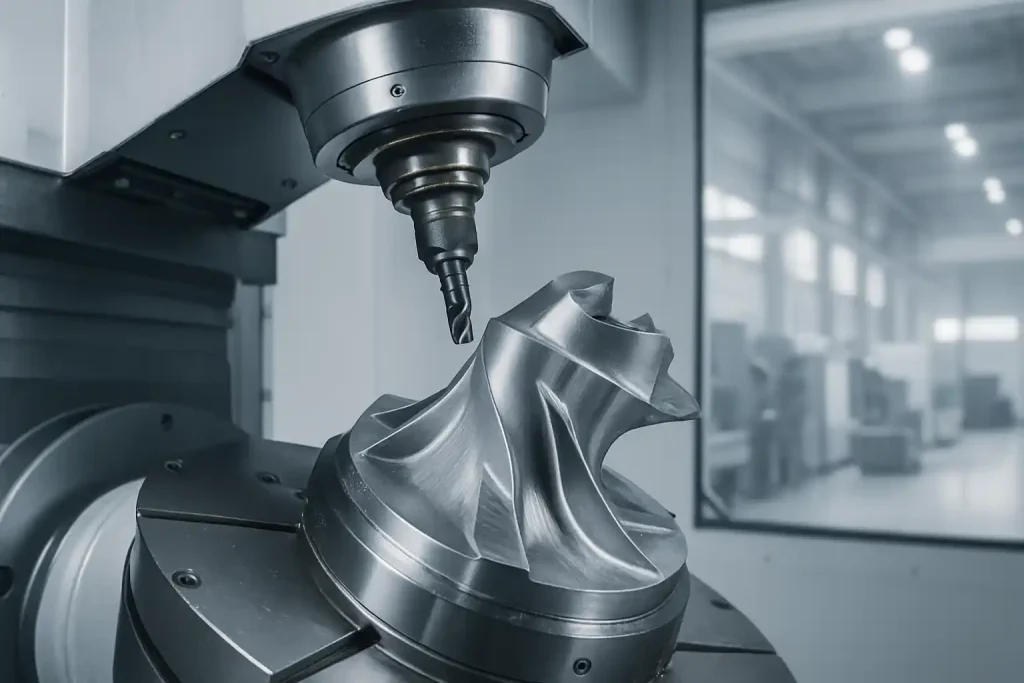
5-axis CNC machining is powerful, no doubt. But just because a machine can tilt, rotate, and cut from five directions doesn’t mean your design is easy to manufacture—or even possible. In fact, 5-axis machining requires smarter design, not just fancier geometry.
To unlock the true potential of 5-axis—shorter lead times, superior surface finishes, and fewer setups—everything starts at the design stage. And that is where many projects veer off track.
This guide isn’t just a list of design rules. It’s born from the machine shop floor, guided by engineers who have seen what works and what fails. Whether you are designing turbine blades, orthopedic implants, or complex housings, these insights are meant to help you get it right the first time.
Great 5-Axis Design Starts Before the Machine Spins
💡 Great design should make the machinist’s job easier, not harder.
One of the biggest misconceptions about 5-axis CNC machining is that it inherently solves all design challenges. Designers often assume that because they can manipulate the part freely, they can model complex features without worrying about tool access or rigidity.
In practice, especially in aerospace and medical industries, careless 5-axis part design leads to:
-
Nightmarish CAM programming
-
Excessive machining time
-
Poor surface finishes
The Common Pain Point: A design looks good in simulation but fails in practice due to tool reach or setup constraints.
✅ Consider Early:
-
Tool Access: Can the cutter reach every critical feature without colliding with the fixture?
-
L:D Ratios: Are you relying on over-extended tools that will deflect?
-
Alignment: Are your surfaces optimized for the machine’s rotational limits?
Mind the Wall Thickness and Tool Engagement
🛠 Wall strength isn’t just a structural issue; it’s a machining issue.
Thin walls and deep pockets are recipes for tool deflection and chatter. Even high-strength materials flex under cutting forces, leading to vibration, dimension inaccuracies, and poor finishes.
Best Practices:
-
Uniform Wall Thickness: Aim for consistent cross-sections.
-
Use Ribbing: Especially around localized thin areas.
-
Add Ample Fillets: A 1-2 mm internal radius can prevent tool breakage and improve path efficiency.
-
Optimize Engagement: Avoid sharp plunges or unsupported sidewalls.
Common Pitfalls in 5-Axis Success
❌ These mistakes are more common—and expensive—than they look.
-
Complexity for Complexity’s Sake: Adding features that don’t add functional value but complicate the toolpath.
-
Ignoring Workholding: Designing a part with no flat datum or clamping surfaces to secure it.
-
Sharp Internal Corners: Requiring fragile, tiny tools that increase the risk of failure.
-
Unsupported Overhangs: Increasing the risk of chatter and surface “scalloping.”
Real-World Case: A medical device company designed a part with deep slots and sharp corners. It passed virtual tests but failed repeatedly in production due to chatter. By adding fillets and rotating the features by 15°, engineers cut the cycle time by 30%.
Why Early Collaboration Beats Post-Mortem Fixes
🤝 Most redesigns happen after a part fails. Let’s move that conversation up.
Early DFM (Design for Manufacturing) reviews help you:
-
Catch unreachable features before programming starts.
-
Save hours of CAM time with simple fillet adjustments.
-
Improve fixture stability and part orientation.
💡 A 1mm fillet radius adjustment today can save thousands of dollars in rework tomorrow.
Final Thoughts: Design with the End in Mind
5-axis CNC machining offers flexibility, precision, and speed—but only if the design supports the process. Good design isn’t about complexity; it’s about clarity, accessibility, and collaboration.
When you align your CAD strategy with manufacturing reality, you eliminate errors and unlock true value.
Partner with a Team That Understands 5-Axis
At Minghe, we’ve helped hundreds of engineers optimize their designs for the floor—from aerospace brackets to intricate mold inserts. We offer expert DFM reviews and high-precision production to ensure your project succeeds on the first run.
Ready to bring your complex designs to life? Contact our team today for professional 5-axis CNC machining services and a comprehensive technical review of your project.