

CNC machining lead time refers to the full cycle from drawing confirmation to the final delivery of parts, rather than just the time the machine spends cutting metal or plastic. For custom parts, delays often stem from drawing reviews, material availability, programming, inspection, post-processing, or logistics planning. This article explains which factors impact lead time, the typical cycles for different project types, and how engineers and procurement professionals can reduce pre-production wait times.
What Is CNC Machining Lead Time?
CNC machining lead time is the total duration from order confirmation to part delivery. It is a production cycle that encompasses drawing review, material procurement, CAM programming, machine setup, cutting, quality inspection, surface treatment, and logistics. Because custom parts vary in design and quality specifications, the lead time is specific to the requirements of each project.
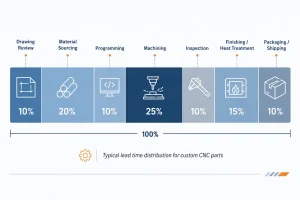
Key Factors Affecting CNC Machining Lead Time
Drawing Review and Quotation Time
Drawings are the foundation of production. When provided drawings have missing information, unclear material grades, unspecified tolerances, or ambiguous surface finishing requirements, the supplier must spend time on back-and-forth communication, which delays the start of the quotation and production schedule.
Material Procurement and Blank Preparation
Common aluminum, carbon steel, and brass are usually well-stocked. However, if a project requires specific grades, non-standard stock sizes, imported materials, or specific material test certificates (MTC), the project may need to wait for material sourcing before machining can begin.
Programming and Process Planning
Before cutting, engineers handle CAM programming, toolpath strategy, workholding design, and datum selection. Complex surfaces or multi-axis machining require extra preparation to optimize the process, which affects how quickly the order moves into the machining phase.
Setup and Machining Time
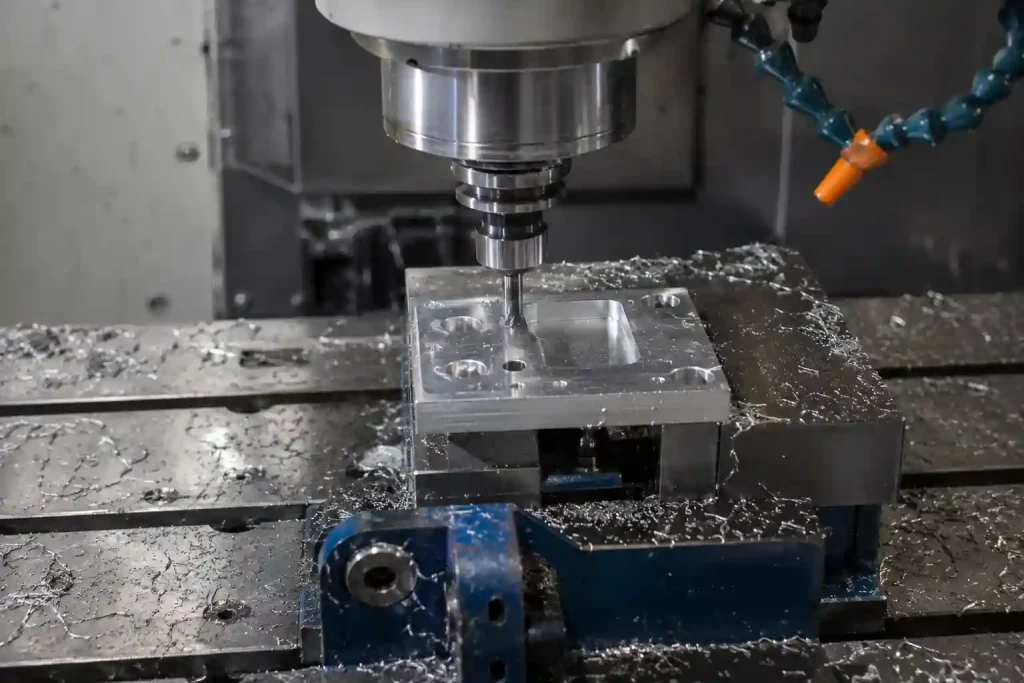
Setup frequency, machine calibration, and first-article inspection (FAI) occupy significant machine time. Simple parts flow through quickly, while deep cavities, small internal radii, or multi-sided parts in CNC milling services often require multiple flips and re-alignments, increasing the machine time required.
Tolerances and Quality Inspection
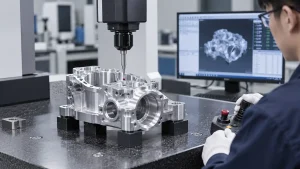
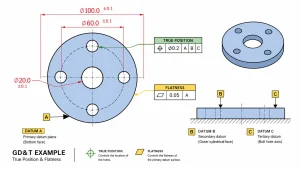
High-precision parts with tight geometric tolerances require extensive use of Coordinate Measuring Machines (CMM). When a project requires FAI, full-dimension reports, or material traceability, these inspection and documentation steps add several days before shipment.
Surface Treatment and Heat Treatment
Finishing processes such as anodizing, plating, or heat treatment often involve outsourced services. This adds time for transport, queueing, masking, and re-inspection. Additionally, risks like heat treatment deformation may require secondary machining, which adds to the total lead time.
Batch, Packaging, and Shipping
Professional packaging protects parts from damage and includes requirements like batch separation or anti-rust measures. Depending on the delivery destination, international logistics and customs clearance are the final variables that determine when parts arrive.
Typical CNC Machining Lead Time
Different projects vary in their delivery requirements. Simple parts, complex precision components, or those requiring secondary processes all have different production and delivery cycles.
Reference Lead Times by Project Type
| Project Type | Typical Lead Time |
| Simple prototype parts | 3–7 days |
| Standard small-batch CNC parts | 1–3 weeks |
| Complex precision parts | 2–5 weeks |
| Parts with surface treatment | Add 3–10 days |
| Parts requiring heat treatment | Add 1–2 weeks |
| Parts requiring full inspection reports | Add several days based on complexity |
Note: These ranges are for early project evaluation only; actual lead times must be confirmed based on drawing complexity, material stock, quantity, inspection requirements, finishing schedules, and shipping methods.
How Fast Can Expedited CNC Machining Be?
For CNC prototypes with readily available materials, complete drawings, and simple structures, expedited lead times can often be compressed to 3–7 business days. Simple aluminum plates, brackets, or basic milled parts are the easiest to accelerate.
If the part involves complex geometries, strict tolerances, exotic materials, CMM inspection, or secondary treatments, even with an expedited request, it may still require 1–2 weeks or more. Expedited timelines serve only as a reference; final delivery schedules must be confirmed after a technical review of the drawings, materials, and quality requirements.
What Are the Consequences of Miscalculating Lead Time?
Low estimation of CNC lead time does not just affect the shop floor; it disrupts subsequent assembly, testing, procurement, and customer delivery plans. Many delays do not stem from the machining process itself, but from failing to account for material procurement, quality documentation, surface finishing, heat treatment, or logistics.
Common consequences include:
- Delayed design validation: Prototypes cannot be completed on time, delaying testing, verification, and the next round of design revisions.
- Disrupted assembly plans: When small-batch parts are delayed, final assembly may be stalled waiting for critical components.
- Inventory and procurement imbalance: Delayed delivery of repeat orders or spare parts can lead to inventory shortages or last-minute emergency orders.
- Forced rescheduling: If critical CNC parts are delayed, subsequent welding, assembly, finishing, or testing schedules may require complete readjustment.
- Higher coordination cost: Lead time errors often require renewed discussions about materials, finishing, shipping methods, and priorities, adding extra administrative overhead.
Therefore, lead time assessment should be based on complete drawings, material status, quality specifications, finishing arrangements, and shipping methods, rather than just machine cutting time.
How to Reduce CNC Machining Lead Time
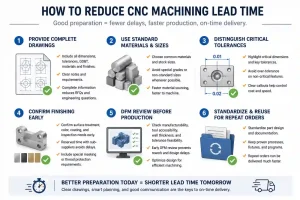
Provide Complete Drawings
3D models are the basis for programming, while 2D drawings clarify tolerances, materials, and surface finish requirements. Complete data eliminates the back-and-forth during the quotation phase, allowing suppliers to perform feasibility analysis immediately.
Use Standard Materials and Sizes
Prioritize commonly available material grades and standard stock sizes to maximize the use of existing inventory, which shortens material preparation time.
Distinguish Critical Tolerances
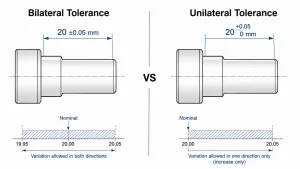
Focus design efforts on specifying strict tolerances only for functional surfaces, mating holes, or sealing areas. Relaxing requirements for non-functional exterior surfaces reduces machining and inspection time.
Confirm Finishing and Inspection Early
Specify all surface treatments, colors, coating thicknesses, and heat treatment standards during the quotation stage. Adding these requirements mid-production causes scheduling interruptions.
Conduct DFM Review
Engage with your supplier for a Design for Manufacturability (DFM) review before starting production. Identifying hard-to-reach areas, tool accessibility issues, or unnecessarily tight tolerances early on helps avoid rework and keeps the delivery on track.
Stabilize Repeat Order Processes
For long-term parts, finalize the process route, inspection standards, and packaging specifications during the pilot run. Repeat orders can then skip the complex review phase and enter production directly.
Get a Quote and Lead Time Assessment
If you are evaluating the lead time for a CNC machining project, please send your 3D models and 2D drawings. Our engineering team can review the material, geometry, tolerances, quantity, and finishing requirements, then provide a process suggestion, lead time assessment, and quotation reference for CNC milling, turning, 5-axis machining, and precision aluminum parts.
Conclusion
CNC machining lead time is easier to control when requirements are clarified early. Complete drawings and clear specifications help suppliers schedule review, machining, and inspection effectively. For time-sensitive or recurring custom parts, performing DFM reviews and thorough communication upfront is generally more effective than simply requesting expedited service after a project has started.